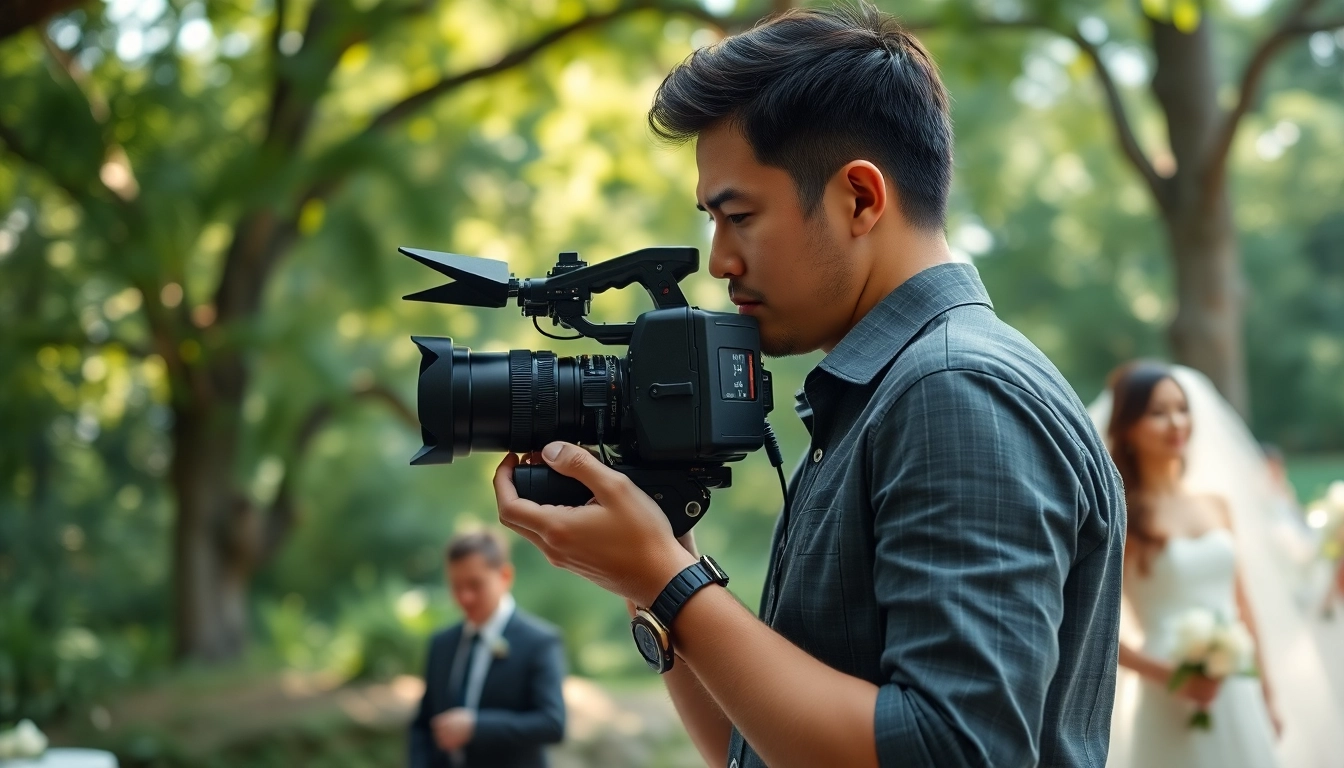
Understanding the Role of a Videographer
In today's visual-centric culture, where storytelling transcends traditional mediums, the demand for skilled Videographer has surged. These creative professionals are tasked with capturing moments through the lens of a camera, translating fleeting memories into lasting visual narratives. This article delves into the intricacies of the videographer's role, examining their responsibilities, essential skills, and how they differ from other video specialists. In understanding their work, you will be better equipped to hire a videographer that aligns with your vision.
What Does a Videographer Do?
A videographer is primarily responsible for capturing moving images and sound to produce videos. Their work encompasses a range of activities, from pre-production planning to post-production editing. Here’s a more detailed breakdown:
- Pre-Production: This phase includes concept development, scriptwriting, and storyboarding. A good videographer collaborates with clients to understand their vision and the message they want to convey.
- Shooting: During production, the videographer operates cameras and manages sound equipment, ensuring high-quality footage is captured. Framing shots, lighting setups, and engaging subjects are all skillful tasks that require a keen eye.
- Post-Production: This involves editing the footage, adding effects, sound design, and color correction. The goal is to create a cohesive, polished final product that reflects the initial vision.
- Client Interaction: Throughout these stages, communication with clients is crucial to ensure that the final video meets their expectations and any necessary adjustments are made promptly.
Key Skills of an Effective Videographer
The role of a videographer demands a multifaceted skill set that combines technical knowledge with artistic talent. Here are essential skills for aspiring videographers:
- Cinematography: Understanding the technical aspects of cameras, lenses, and lighting is fundamental. Good videographers know how to manipulate these elements to achieve the desired effect.
- Editing: Proficiency in editing software (such as Adobe Premiere Pro, Final Cut Pro, or similar tools) is crucial. The ability to assemble footage creatively impacts the final output dramatically.
- Communication: Clear communication helps retain client relationships and keeps project visions aligned. This also extends to networking with other professionals in the industry.
- Problem-Solving: On-site challenges, such as unexpected weather or technical difficulties, require the ability to think quickly and adapt strategies as needed.
- Creativity: An artistic vision allows a videographer to capture moments that evoke emotion and connect with an audience, showcasing their unique style and approach.
Differences Between Videographers and Other Video Professionals
While many individuals operate in the visual media space, there are distinctions between videographers and other video professionals such as cinematographers or video editors:
- Videographers: Typically work independently or in small teams, handling multiple aspects of production from filming to editing.
- Cinematographers: Focus primarily on the art of photography during film production, typically involving larger projects with specialized roles.
- Video Editors: Specialize in post-production, working with raw footage to create the final cut, often collaborating closely with videographers but handling a different segment of the process.
Choosing the Right Videographer for Your Event
Finding the right Videographer can significantly influence how well your event’s key moments are captured. With many professionals claiming expertise, it’s essential to navigate this process with clarity. Here are comprehensive steps to ensure you make a well-informed decision.
Factors to Consider When Hiring a Videographer
Choosing the correct videographer involves several key considerations:
- Style: Identify what videographic style resonates with your vision. Review various works and approaches to determine which aligns best with your expectations.
- Experience: Look for a videographer with a robust portfolio demonstrating experience in your specific type of event. Whether it’s weddings, corporate functions, or documentaries, ensure they have tackled similar projects.
- Budget: Set a realistic budget before you start looking. Understand the pricing range for services in your area, as this can vary widely based on experience and project scope.
- Reviews and Recommendations: Seek testimonials from previous clients. Online reviews and word-of-mouth recommendations can provide insight into a videographer’s reliability and quality of work.
- Scripting and Direction Skills: If your video requires planned shots or specific narratives, ensure your videographer can assist with script preparation and direction during the shooting phase.
Questions to Ask Potential Videographers
When interviewing potential candidates, asking the right questions can help clarify their suitability for your project. Here’s a list of thoughtful inquiries:
- Can you provide examples of your previous work relevant to my event type?
- What is your approach to capturing and editing footage?
- How do you manage your equipment and crew during an event?
- What are your rates, and what do they include?
- Can you accommodate special requests or specific styles?
Reviewing Portfolios and Past Work
Reviewing a videographer’s portfolio is a critical step in the decision-making process. Look for:
- Diversity: A varied portfolio indicates the ability to handle different scenarios and styles, showcasing versatility.
- Quality of Work: Evaluate the technical quality of the videos, including clarity, sound quality, and cohesiveness of the storytelling.
- Client Responsiveness: What do past clients say about the videographer? Reviews can reveal how well they communicate, collaborate, and adapt to client needs.
Videography Styles and Techniques
The world of videography is as diverse as the events videographers capture. Understanding various styles and techniques can help you choose the right approach for your project. Below are popular styles along with technical considerations.
Popular Videography Styles for Events
Each event type may call for different videography styles. Some common styles include:
- Documentary Style: Focuses on storytelling, capturing genuine emotions and interactions without heavy scripts or staged scenarios.
- Cinematic Style: Emulates the look and feel of a movie, with scripted components, dramatic shots, and dynamic movements that enhance the visual storytelling.
- Event Highlights: Short, engaging clips designed to showcase the best moments of an event, often set to music and edited for rapid viewing consumption.
- Interview Style: Features one-on-one interviews, ideal for corporate projects or personal stories, emphasizing the perspectives of key individuals.
Technical Aspects: Equipment and Techniques
The quality of the final product often depends on the equipment and techniques used during filming. Essential equipment includes:
- Cameras: High-definition cameras are vital for capturing professional-quality footage. Depending on the project, videographers may use DSLRs, mirrorless models, or cinema cameras.
- Sound Equipment: Clear audio is crucial. A combination of microphones, portable recorders, and sound mixers can elevate the overall quality of the production.
- Lighting: Proper lighting setups enhance the aesthetic of the video. Videographers should be skilled in using natural and artificial light to create the desired ambiance.
- Stabilization Equipment: Tools like gimbals or steadicams help maintain steady shots during movement, minimizing shaky footage and enhancing professionalism.
Editing and Post-Production Processes
Editing is where the magic truly happens. Effective post-production shapes the narrative, refines visuals, and polishes audio. Key steps include:
- Footage Review: After filming, videographers will review all captured footage to select the best moments for the final cut.
- Cutting and Arranging: Editing software is used to cut footage, arrange sequences, and maintain continuity in the storytelling.
- Enhancing Visuals: Color correction, color grading, and effects can significantly impact the final product, enhancing both mood and aesthetics.
- Audio Editing: Balancing sound quality, adding music, and incorporating sound effects contribute to a polished final product.
Budgeting for Videography Services
Budgeting for videography is critical to ensuring you get the desired quality without overspending. It is essential to understand the factors influencing costs and how to navigate them.
Typical Costs of Hiring a Videographer
Videography costs can vary significantly depending on several factors:
- Experience Level: Established professionals may charge premium rates based on their reputation and skills, while emerging videographers might offer competitive pricing to build their portfolios.
- Project Complexity: More complex projects with multiple shooting locations or elaborate editing require more time and resources, affecting the final cost.
- Location: Geographic location can also influence pricing due to market demand and cost of living factors.
- Duration of Coverage: Events that span several hours may incur higher costs than shorter projects, as this often requires more equipment and personnel. Consider budget expectations as you discuss options with potential videographers.
How to Work Within Your Budget
While you may wish to secure the best quality for your project, working within a budget is often necessary. Here are some strategies to consider:
- Be Clear About Your Needs: Communicate your budget constraints upfront. Many videographers are willing to tailor packages or find creative solutions that can help you maximize your investment.
- Limit Scope: If budget is a concern, consider scaling back on the project scope. Focusing on key moments can help you achieve a satisfactory result without overspending.
- Explore Package Deals: Some videographers may offer bundled services that include both filming and editing at a reduced rate, which can be more economical than hiring separate professionals.
Value of Investing in Quality Videography
While cutting costs is essential, investing in quality videography pays dividends. High-quality videos enhance brand storytelling, capture essential moments, and ensure they are preserved for future generations. Quality videography can be leveraged for:
- Promotion: Exceptional video content can serve as a powerful marketing tool, enhancing visibility and engagement.
- Legacy: Capturing personal milestones, such as weddings or family gatherings, allows memories to be kept alive and shared with future generations.
- Professional Growth: For businesses, high-quality video documentation of events and projects can drive professional growth by showcasing capabilities and achievements.
Maximizing Your Videography Experience
To get the most out of your videography investment, preparation and communication are key. Here are actionable steps for maximizing your videography experience before, during, and after the event.
Preparing for Your Event with a Videographer
To set the stage for success:
- Communicate Your Vision: Share your objectives, examples of videos you admire, and any specific elements you wish to include.
- Discussion of Schedule: Ensure that the videographer understands the event timeline, allowing them to plan the capturing of key moments effectively.
- Location Scouting: If possible, consider visiting the venue together to discuss shooting angles, lighting options, and potential logistical challenges.
Tips for Collaborating with Your Videographer
Collaboration is essential for achieving the desired outcome. Here are best practices:
- Stay Flexible: While it’s important to have a plan, be open to spontaneous opportunities that the event may present for capturing compelling footage.
- Encourage Interaction: A videographer excels when subjects are comfortable; encourage guests to interact naturally to facilitate candid moments that resonate.
- Regular Check-Ins: Throughout the event, check in with your videographer to ensure all important moments are being captured as intended.
Capturing Memorable Moments: A Guide to Timing
Timing is paramount in videography, ensuring that all significant events are not missed. Key moments to highlight include:
- Ceremony Highlights: Plan to capture pivotal moments during ceremonies, such as vows or speeches, which often resonate the most in the final video.
- Guest Interactions: Encourage your videographer to capture spontaneous interactions among guests to showcase the atmosphere and joy of the event.
- Post-Event Interactions: Following the main event, consider scheduling time for follow-up shots or additional interviews for personal touches in the final product.