
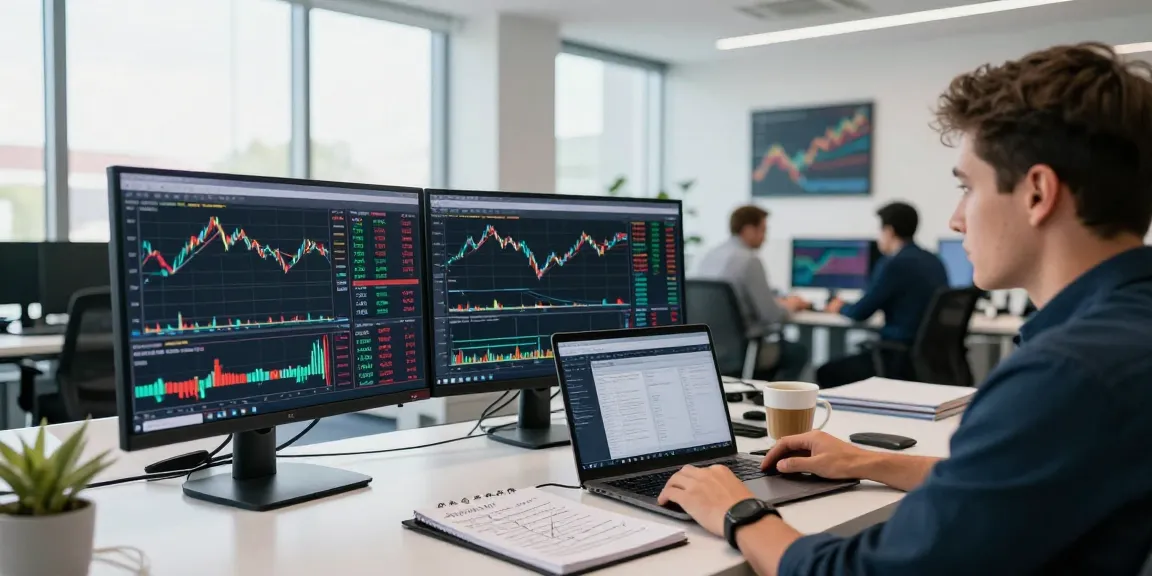
Understanding Live Forex Charts
In the fast-paced world of forex trading, where every second counts and the market is perpetually in motion, having access to accurate and timely data is paramount. This is where live forex charts come into play, providing traders with the real-time information they need to make informed decisions. These charts not only visualize currency pair movements but also help traders analyze trends, identify potential reversals, and execute trades with confidence.
What are Live Forex Charts?
Live forex charts are graphical representations of currency pair pricing over various time scales, ranging from seconds to days. They display real-time price activity, enabling traders to spot trends and make decisions based on current market conditions. These charts utilize data from exchanges and include various technical indicators that provide insights into market sentiment, momentum, and volatility.
How Live Forex Charts Work in Real-Time Trading
In real-time trading, live forex charts use streaming data feeds to reflect the latest market prices. When a trader looks at a chart, they can see not only the price movements but also the volume of trades, which provides context for price changes. Furthermore, many platforms allow traders to customize their charts with indicators such as moving averages, Bollinger bands, and Fibonacci retracements, enhancing their analytical capabilities.
Key Features of Effective Live Forex Charts
- Real-Time Data: The ability to view live quotes and price changes instantly.
- Customization Options: Options to add various indicators, tools, and chart types, such as candlestick or line charts.
- Multiple Time Frames: The ability to view price trends in different time intervals, from one minute to monthly.
- Historical Data: Access to previous price movements aids in trend analysis and strategy formulation.
Benefits of Using Live Forex Charts for Traders
Live forex charts are indispensable tools for traders, offering numerous advantages that can enhance trading strategies and outcomes. Understanding these benefits is crucial for anyone looking to thrive in the forex market.
Enhancing Decision-Making with Real-Time Data
One of the most significant benefits of live forex charts is their ability to provide real-time data, which is essential for making timely trading decisions. Traders can react swiftly to price movements and market news, reducing the lag between analysis and execution. This immediacy can be the difference between a profitable trade and a missed opportunity.
Identifying Market Trends and Patterns
Through the use of live forex charts, traders can identify market trends and patterns that may not be immediately apparent. Recognizing patterns like head and shoulders, triangles, or flags can provide critical insights into potential market direction, allowing traders to position themselves advantageously.
Improving Trade Timing and Execution
Effective use of live forex charts can significantly enhance a trader’s timing. By analyzing price action and understanding market dynamics, traders can execute trades at more favorable prices. The use of stop-loss and take-profit orders can also be optimized with real-time insights, mitigating risks and maximizing returns.
Common Challenges with Live Forex Charts
Despite their advantages, live forex charts also present certain challenges that traders must navigate to use them effectively in their trading strategies.
Understanding Volatility and Market Fluctuations
Forex markets are inherently volatile, influenced by global economic events, geopolitical tensions, and other factors. This volatility can make interpreting live forex charts challenging, as sudden price spikes may signal both opportunity and risk. Traders must develop the skills to discern between genuine market movements and false signals.
Overcoming Data Overload in Forex Analysis
Many traders find themselves overwhelmed by the vast amounts of data available through live forex charts. With numerous indicators and tools at their disposal, it can be challenging to prioritize which signals to follow. Developing a well-defined trading strategy that incorporates only the most relevant indicators is critical for avoiding analysis paralysis.
Addressing Technical Issues with Charting Software
Technical difficulties with charting software can hinder a trader’s ability to access critical information. Issues such as slow loading times, software crashes, or inaccurate data feeds can lead to missed trading opportunities. Traders must familiarize themselves with their chosen platforms and establish backup plans to mitigate these risks.
Strategies for Leveraging Live Forex Charts
To maximize the benefits of live forex charts, traders should employ strategic approaches that incorporate their features into their overall trading plan.
Integrating Indicators for Better Analysis
Integrating technical indicators into live forex charts is essential for enhancing market analysis. Commonly used indicators include the Relative Strength Index (RSI), Moving Average Convergence Divergence (MACD), and various types of moving averages. By combining these tools with price action analysis, traders can make more informed decisions based on a comprehensive view of market conditions.
Using Live Charts for Risk Management
Effective risk management is crucial in forex trading, and live forex charts can play a vital role in this process. Traders can set alerts based on specific price levels or indicator thresholds, allowing them to manage their exposure proactively. Additionally, by analyzing volatility through charts, traders can adjust their position sizes and stop-loss orders accordingly.
Case Studies: Successful Traders and Their Charting Techniques
Many successful traders share common charting techniques that help them achieve consistent results. For example, a trader might utilize a combination of support and resistance levels identified on live forex charts to execute trades, often placing trades at these critical price points. Learning from the strategies employed by seasoned traders can provide invaluable insights into effective charting techniques.
Future Trends in Live Forex Charting
As technology continues to evolve, the landscape of forex trading and charting is set to change significantly. Understanding these future trends can help traders stay ahead of the curve.
Technological Advancements and Innovations
Innovations in technology are reshaping live forex charting. From advanced AI-driven analytics to augmented reality displays, these developments promise to enhance how traders interact with market data. Future platforms may integrate machine learning algorithms to provide predictive analysis, allowing traders to foresee potential market shifts.
Predictions for Charting Tools in 2026
By 2026, we can expect a dramatic evolution of charting tools. Enhanced user interfaces and increased integration of social trading features will likely become standard. Charts may become more interactive, allowing traders to engage with data in more immersive ways, making analysis more intuitive and less time-consuming.
The Role of AI in Forex Chart Analysis
Artificial intelligence is set to revolutionize the forex trading landscape, particularly in the realm of chart analysis. AI algorithms can analyze historical data and identify patterns more quickly than human traders. This technology may lead to automated trading systems that execute trades based on real-time chart analysis, minimizing human errors and emotional decision-making.
What is the Importance of Continuous Learning in Forex Trading?
In the ever-changing forex market, continuous learning is essential for success. Traders must stay updated on the latest trends, strategies, and technologies that impact their trading decisions. Utilizing innovative charting tools, attending webinars, and engaging with trading communities can enhance traders’ knowledge and skills.
How Can Traders Adapt to Changing Market Conditions?
Adaptability is a vital trait for successful forex traders. By using live forex charts, traders can quickly respond to market changes, adjusting their strategies to align with new trends. Regularly reviewing and analyzing past trades through charts can also provide insights into optimizing future performance.
What Role Do Economic Indicators Play in Forex Trading?
Economic indicators significantly influence forex markets and should be monitored closely. Reports such as GDP growth, employment data, and inflation rates can lead to substantial market movements. Live forex charts serve as an excellent tool for traders to visualize the impact of these indicators on currency prices.
How Can Beginner Traders Effectively Use Live Forex Charts?
For beginner traders, mastering the use of live forex charts is crucial. Starting with simple chart types and gradually incorporating more complex indicators can build a solid foundation for analysis. Educational resources and practice accounts can also provide a safe environment for beginners to experiment with charting without financial risk.
What Are Common Mistakes When Interpreting Live Forex Charts?
Many traders fall into common traps when interpreting live forex charts. Over-reliance on indicators without understanding market context can lead to poor decision-making. Additionally, failing to consider broader economic conditions may result in misreading market signals. Developing a disciplined approach to chart analysis and maintaining a holistic view of the market can help avoid these pitfalls.