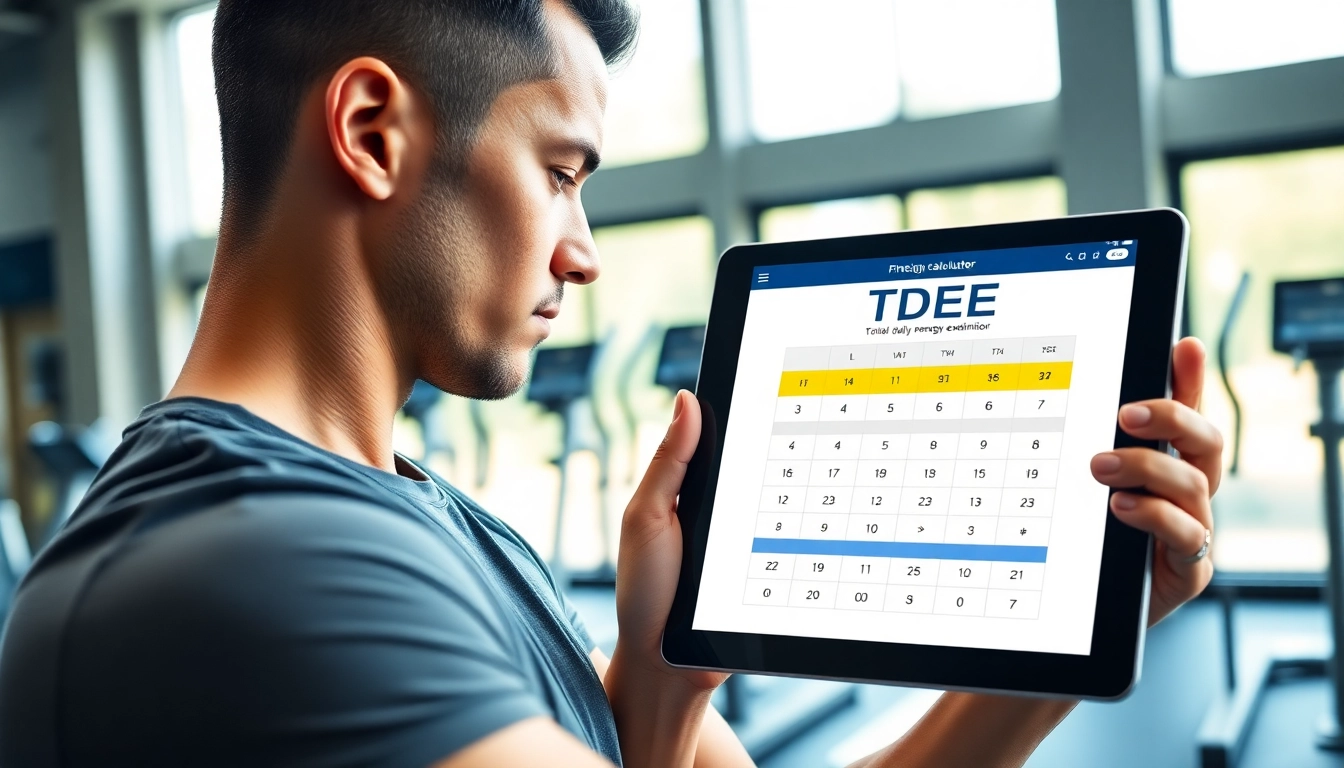
Understanding the Basics of the TDEE Calculator
To embark on any successful fitness journey, understanding your body's caloric needs is paramount. This is where the tdee calculator comes into play as an indispensable tool. While many tools exist to assist with nutritional needs, the TDEE calculator stands out by providing a comprehensive representation of how many calories your body expends throughout the day. Knowing your Total Daily Energy Expenditure (TDEE) allows you to strategize your diet and exercise plans effectively, helping you to reach your health and fitness goals.
What is Total Daily Energy Expenditure?
Total Daily Energy Expenditure (TDEE) refers to the total number of calories you burn in a 24-hour period, inclusive of all activities—be it working at a desk, exercising, or even sleeping. Understanding TDEE is crucial as it provides insights into how much food you need to consume to maintain, lose, or gain weight.
Components of TDEE: BMR and Activity Level
Your TDEE is essentially the sum of your Basal Metabolic Rate (BMR) and the calories you burn through physical activity. BMR is the number of calories your body requires to maintain basic physiological functions while at rest, such as breathing, circulation, and cellular production. Activity level, on the other hand, refers to the calories expended during your engagement in physical activities, ranging from sedentary behaviors to intense exercise.
The formula to derive TDEE generally follows this path:
- TDEE = BMR + Calories Burned From Activity
Why TDEE Matters for Fitness
Understanding your TDEE is crucial for various reasons. Firstly, it allows you to craft an effective meal plan tailored to your specific caloric needs. Secondly, TDEE can be pivotal in setting and adjusting your fitness goals, ensuring that you consume enough nutrients for muscle growth while preventing unwanted weight gain. Ultimately, a clear understanding of TDEE can significantly enhance your ability to tailor fitness and nutrition strategies accurately.
How to Use the TDEE Calculator Effectively
Using a TDEE calculator can be an efficient way to estimate your caloric expenditure, but accuracy depends on providing the right input parameters. Below are guidelines to help you navigate the process effectively.
Step-by-Step Instructions for Calculation
1. Start by selecting your gender, as BMR differs between men and women.
2. Input your age; knowing the age enables the calculator to adjust your caloric needs appropriately.
3. Enter your height and weight; these metrics are vital for determining your BMR.
4. Choose your activity level from a provided scale, ranging from sedentary (little to no exercise) to very active (intense exercise or a physically demanding job).
5. Click the calculate button to reveal your TDEE.
Input Parameters for Accurate Results
To get the most accurate TDEE reading, ensure that you input all parameters correctly. Displaying: age, height, weight, and activity level will allow the TDEE calculator to make precise estimates. The activity level you select plays a significant role, as underestimating your daily activities can result in a false caloric requirement, while overestimating can lead you to consume more calories than you need.
Interpreting Your TDEE Results
Once you've obtained your TDEE, it's essential to understand what that number means. If your goal is weight maintenance, you should aim to consume calories close to your TDEE. If you're intending to lose weight, a caloric deficit (consuming less than your TDEE) will be necessary. Conversely, if muscle gain is your objective, a caloric surplus (eating more than your TDEE) will be required.
Remember, these numbers serve as estimates, and many factors such as body composition and metabolic variations can influence actual caloric expenditure.
Common Misconceptions About TDEE Calculators
Despite the utility of TDEE calculators, misconceptions can cloud their effectiveness. It is crucial to debunk these myths to utilize these tools properly.
Debunking Myths: TDEE vs. Caloric Intake
A common misunderstanding is that the TDEE value is the same as the caloric intake required for weight maintenance. While TDEE is a measure of energy expenditure, caloric intake should also consider factors such as the nutritional quality of foods and individual metabolism, which can vary significantly from person to person.
The Role of Body Composition in TDEE
Another prevalent misconception is that TDEE calculators can accurately assess a person's energy needs without considering body composition. Muscle mass can significantly affect BMR; individuals with a higher muscle percentage will generally have a higher BMR than those with a higher fat percentage. Therefore, understanding your body composition is vital when interpreting TDEE results.
Why Activity Level Adjustments are Crucial
Many novices expect the same TDEE regardless of lifestyle changes or fitness routines. However, adaptation in activity levels will directly influence TDEE results. Ensuring that you adjust this input as your fitness levels and lifestyles evolve is essential for maintaining accurate tracking of caloric needs.
Integrating TDEE Understanding into Your Diet Plan
Using the insights gained from your TDEE can lead to a more effective, personalized nutrition plan. Below are strategies to optimize your dietary intake based on TDEE calculations.
Creating a Personalized Nutrition Strategy
With a clear understanding of your TDEE, you can develop a tailored meal plan that complements your fitness objectives. Start by calculating your caloric needs based on your activity level and goals, whether it is weight loss, maintenance, or gain. Next, structure your meals to ensure you get an appropriate balance of macronutrients—proteins, carbohydrates, and fats—based on your dietary preferences and lifestyle constraints.
Adjusting Caloric Intake Based on TDEE
Caloric intake should be dynamic; as your body composition and activity levels change, revise your intake to reflect your updated TDEE. This adjustment is particularly crucial during weight loss or gain periods, as failures to adapt dietary intake can stall results or lead to unwanted weight fluctuations.
Tracking Progress with TDEE Calculations
To ensure the effectiveness of your nutrition strategies, regular monitoring is necessary. Regularly recalculating your TDEE as you progress allows you to make more informed decisions about your dietary needs. Utilize tracking apps and journals to note changes in weight and adjust your intake accordingly.
Advanced Tips for Optimizing TDEE Calculations
For those looking to harness the fullest potential of your TDEE calculator and dietary strategies, consider the following advanced tips.
Using Technology for Enhanced Tracking
With the advancement of technology, leveraging apps and wearables can provide valuable insights into your daily activities and caloric expenditure. Many applications allow you to input meals and track workouts, which can give a more rounded view of your daily energy balance and assist with managing intake in relation to the TDEE.
Consulting with Professionals for Personalized Plans
While calculators offer excellent estimates, the input from nutritionists or dietitians can provide a more personalized approach that considers individual health conditions, preferences, and lifestyles. Professionals can help create tailored plans that not only align with TDEE but also meet holistic health needs.
Adapting TDEE Over Time: Growth and Changes
Life is not static, and neither are your energy needs. As you undergo changes in body composition, age, and activity levels, be prepared to reassess and adapt your TDEE. Make it a habit to calculate your TDEE periodically, ensuring you always align your caloric intake with your body’s needs.