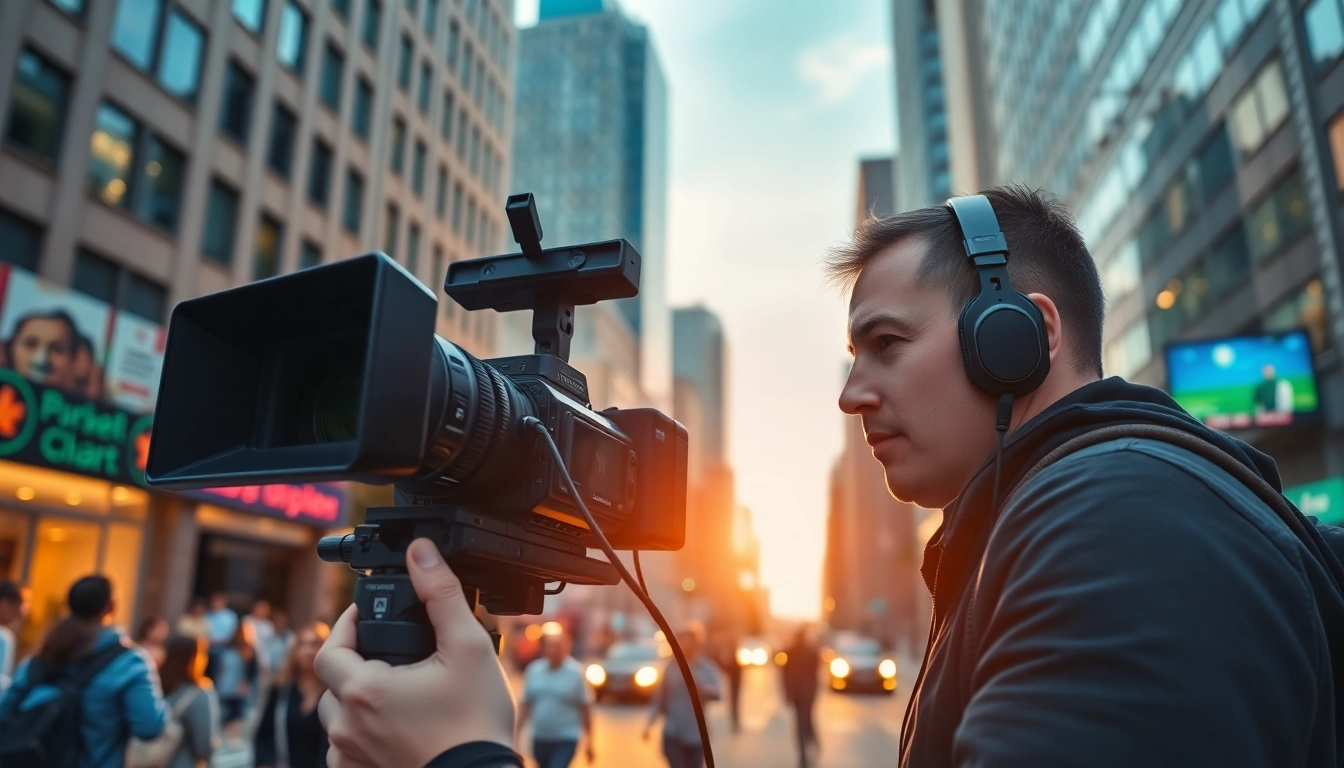
The Foundation of Videography: Essential Skills for Every Videographer
As the world of visual storytelling evolves, the role of a Videographer has become increasingly vital. This multifaceted profession requires a blend of technical prowess, creativity, and an understanding of narrative structures. Whether you’re just starting or looking to refine your skills, understanding the core competencies of a successful videographer is crucial.
Understanding Camera Equipment
The foundation of videography lies in mastering camera equipment. Different types of cameras serve unique purposes, and familiarity with various models can enhance your ability to capture compelling footage.
1. Cameras: DSLRs, mirrorless, and camcorders each have strengths. DSLRs offer versatility; mirrorless cameras boast compactness with high-quality output; camcorders are ideal for long events.
2. Lenses: Lenses play a crucial role in the quality of your footage. Wide-angle lenses capture expansive landscapes, while telephoto lenses allow for close-up shots from a distance.
3. Stabilization Equipment: Stabilizers, tripods, and gimbals ensure smooth movement in your videos while reducing camera shake.
4. Audio Equipment: Quality audio can make or break your project. Invest in microphones and audio recorders, as clear sound enhances the visual experience.
Technical Proficiency in Video Editing
Editing is arguably one of the most critical stages of production. Video editing software such as Adobe Premiere Pro, Final Cut Pro, or DaVinci Resolve are among the industry standards. Here are key aspects to focus on:
1. Learning the Software: Familiarize yourself with the interface and tools. Explore features like cutting, transitions, and layering audio to create dynamic narratives.
2. Color Grading: Understanding color correction and grading allows you to create a specific mood or atmosphere, enhancing the overall aesthetic of your videos. Color grading also helps achieve a professional polish.
3. Sound Design: Incorporate sound effects and background music creatively to enhance storytelling. Balancing audio levels is vital to ensure clarity.
4. Editing Styles: Familiarize yourself with different editing techniques, including continuity editing, montage, and documentary styles that cater to various audiences and project objectives.
Storytelling Techniques for Videographers
At its core, videography is about telling a story. Regardless of the subject, effective storytelling engages viewers and evokes emotions. Here are methods to enhance your storytelling:
1. Developing a Concept: Every good story begins with a strong concept. Create a narrative arc, including a beginning, middle, and end to guide the audience through your visual journey.
2. Character Development: In documentaries or event coverage, focus on characters who can convey relatable emotions and experiences. Videography not only captures visuals but also human emotions.
3. Cinematography Techniques: Use shot composition, lighting, and angles strategically. Each decision should reinforce the story being told—an overhead shot may convey isolation, while close-ups can draw viewers into intimate moments.
4. Pacing: The rhythm of your edit affects storytelling. Adjust pacing according to the narrative — slower for dramatic moments, faster during action sequences.
Exploring Different Types of Videography
A career in videography offers a variety of paths. Each type of videography comes with unique challenges and rewards. Identifying your niche can make a significant difference in your career trajectory.
Event Videography Essentials
Event videography requires a keen eye for spontaneous moments and the ability to adapt quickly to changing circumstances. Key factors include:
1. Preparation: Scout the venue ahead of time to familiarize yourself with the space and lighting conditions. Discuss with clients the key moments to capture.
2. Managing Equipment: Plan for a variety of lighting conditions. Ensure you have backup equipment in case of malfunctions.
3. Post-Production: Edit highlights to encapsulate the event’s essence, allowing attendees and clients to relive the experience.
Corporate Videography: Best Practices
Corporate videography encompasses promotional videos, training materials, and internal communications. It often requires adhering to a client’s branding and message. Here are best practices:
1. Understanding Corporate Culture: Each company has a unique culture. Capture footage that aligns with their ethos and showcases their brand identity effectively.
2. Clear Messaging: Craft a strong narrative that communicates the intended message to the audience. Avoid jargon and focus on clarity and engagement.
3. Professionalism: Showcase professionalism in both appearance and conduct. This builds trust with clients and reflects positively on your services.
Creative Approaches to Wedding Videography
Wedding videography is a blend of event coverage and storytelling. It's essential to capture the couple’s love story while ensuring every key moment is documented. Here are creative approaches:
1. Cinematic Techniques: Incorporate cinematic techniques such as drone shots for breathtaking visuals and time-lapse sequences to encapsulate the day’s progression.
2. Personalized Touches: Interview the couple before the wedding to learn their stories. Including personal touches can create a richer narrative.
3. Editing Styles: Experiment with different editing styles, like highlight reels for social media and full-length documentaries for the couple.
Building Your Portfolio: Tips for Advancement as a Videographer
A strong portfolio is vital for showcasing your skills and attracting new clients. Here are strategies to build and enhance your portfolio:
Cultivating a Unique Style and Voice
Your personal style distinguishes you from other videographers. Here’s how to cultivate it:
1. Experimentation: Don’t be afraid to try new techniques or equipment. Experimentation leads to discovery and development of a unique visual identity.
2. Consistent Branding: Create a cohesive look for your projects. This could include certain color grading techniques, logo placement, and choice of music.
Effective Networking Strategies in Videography
Building relationships with other industry professionals can open doors and lead to collaborations. Here are effective networking strategies:
1. Attend Industry Events: Engage with peers, potential clients, and mentors at expos, workshops, or festivals to exchange ideas and learn from experiences.
2. Online Communities: Join forums, social media groups, and platforms dedicated to videography, where you can share work, receive feedback, and connect with like-minded professionals.
Showcasing Your Work Online
An online portfolio is an essential tool for any videographer. Here are tips for showcasing your work effectively:
1. Website Design: Create a user-friendly website that showcases your projects. Prioritize quality over quantity, and ensure your best work is front and center.
2. Social Media Engagement: Use platforms like Instagram and Vimeo to share snippets of your work. Engage with your audience through storytelling and behind-the-scenes content.
Industry Insights: Trends Shaping the Future of Videography
Staying abreast of industry trends is crucial for maintaining a competitive edge. Understanding these trends can help you adapt and thrive.
The Impact of Technology on Videography
Technology constantly shapes how videographers produce content. From equipment advancements to software innovations, understanding these changes is essential. Key trends include:
1. 4K and 8K Video: Increasingly, clients expect high-resolution content that requires videographers to adapt and upgrade equipment to meet demands.
2. Virtual Reality: Embracing VR technology can enhance storytelling and offer immersive experiences that traditional video cannot.
Emerging Styles and Techniques
As audiences evolve, so do storytelling styles. Key considerations include:
1. Documentary Styles: Authenticity is trending. Many clients favor documentary-style shooting, focusing on real people and stories.
2. Live Streaming: With the rise of digital communication platforms, live streaming is becoming a vital service. Offering live streaming options can enhance your service portfolio.
Market Demand for Videographers
As video content continues to dominate online engagement, the demand for skilled videographers is on the rise. Key insights into market trends include:
1. Growth of Content Creation: Businesses increasingly recognize the power of video marketing. This trend opens up opportunities for videographers to partner with brands.
2. Diverse Applications: Videographers are sought across various sectors—events, marketing, corporate training, and influencer collaborations, expanding potential job markets.
Getting Started: Practical Steps to Launch Your Career as a Videographer
Embarking on a career in videography can be exciting yet daunting. Understanding practical steps can pave the way for a successful journey.
Finding Your Niche in Videography
Identifying a niche allows you to target your skills effectively. Here’s how to discover your niche:
1. Self-Assessment: Evaluate your interests and strengths. Determine whether you're more inclined toward event coverage, corporate, or creative videography.
2. Market Research: Analyze the local market. Identify gaps or underserved segments where you can provide unique content.
Setting Up Your Business: Legal and Financial Considerations
Establishing a videography business involves understanding legal and financial frameworks. Key considerations include:
1. Business Structure: Decide between LLC, sole proprietorship, or corporation based on your operational needs. Seek legal advice if necessary.
2. Finances: Create a budget covering equipment, marketing, and operational costs. Consider setting up a separate business bank account for tracking expenses.
Marketing Yourself as a Videographer
Marketing is vital for attracting clients. Here are effective marketing strategies:
1. Brand Identity: Develop a strong brand that reflects your values, mission, and style. Consistency across platforms helps build recognition.
2. Online Presence: Utilize SEO tactics to enhance your website’s visibility. Regularly update your portfolio and share client testimonials as part of your marketing strategy.