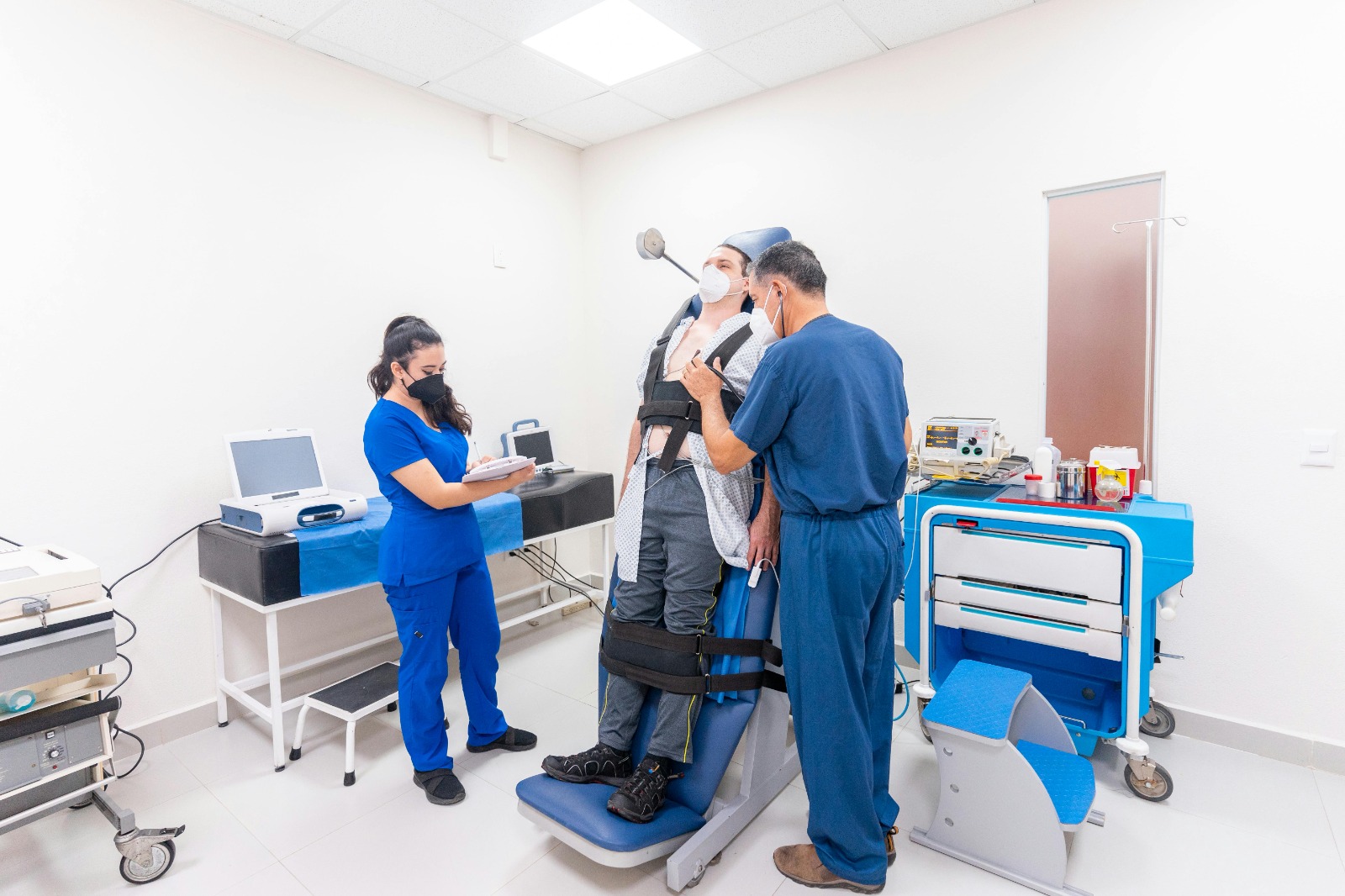
High school students today are increasingly looking for ways to make a meaningful impact while preparing for future careers. High school volunteering offers a unique opportunity to develop essential skills in medicine and empathy, helping students stand out in college applications while making a real difference in their communities. Through carefully designed volunteering experiences, students can learn the value of patient care, teamwork, and communication—all crucial for a future in healthcare.
Why High School Volunteering Matters
Engaging in high school volunteering is not just about fulfilling service hours. It is a gateway to understanding the medical field and building emotional intelligence. Students who participate in healthcare volunteering programs gain firsthand experience with the day-to-day responsibilities of medical professionals, from observing patient interactions to assisting in basic tasks. This exposure helps young volunteers grasp the practical and human aspects of medicine.
Additionally, high school volunteering encourages empathy, patience, and adaptability. When students interact with patients, families, or elderly populations, they learn to respond to varying emotional needs. This practice of compassionate engagement fosters a deeper understanding of the human condition, which is fundamental to the medical profession.
Skills Developed Through High School Volunteering
High school volunteering develops a variety of skills that are valuable both in and out of medical settings. Communication skills improve as students learn to interact effectively with patients and staff. Critical thinking and problem-solving abilities are sharpened when volunteers face unexpected situations or help with logistical tasks. Time management becomes second nature, as students must balance volunteering commitments with academics and extracurriculars.
Moreover, high school volunteering can introduce students to specialized areas of medicine. Programs in hospitals, clinics, or rehabilitation centers allow students to observe different medical disciplines, sparking interest in fields they may not have considered. The hands-on exposure complements classroom learning and provides context to theoretical knowledge.
How to Find Meaningful High School Volunteering Opportunities
Finding the right high school volunteering opportunity is key to gaining valuable experience. Local hospitals, nursing homes, and clinics often offer programs designed for teenage volunteers. Community health initiatives, public health campaigns, and nonprofit organizations are additional options. It is important for students to research programs that align with their interests and offer a mix of patient interaction, observational learning, and skill development.
Students should also consider mentorship opportunities as part of their high school volunteering. Working alongside experienced medical professionals allows them to gain insights into the career path and receive guidance on how to maximize the learning experience. Many programs also provide workshops, training sessions, or certifications that enhance both practical knowledge and resumes.
The Impact of High School Volunteering on College Applications
High school volunteering can have a significant impact on college admissions. Admissions officers look for candidates who demonstrate initiative, social responsibility, and genuine interest in their chosen fields. Participation in medically oriented volunteering programs signals commitment to healthcare and a willingness to engage with the community. Documenting the experiences, skills learned, and reflections on empathy can strengthen personal statements and recommendation letters.
Building Empathy Through Volunteering
Empathy is a critical component of effective medical care, and high school volunteering provides a safe environment to develop this quality. Interacting with patients and families exposes students to diverse perspectives and challenges them to respond compassionately. Volunteers learn to listen actively, recognize emotional cues, and provide comfort—all essential traits for future doctors, nurses, and healthcare professionals.
By engaging in high school volunteering, students experience the rewards and challenges of helping others, which can shape their approach to medicine for years to come. Developing empathy early encourages ethical decision-making, patient-centered care, and a holistic understanding of health and wellness.
Types of High School Volunteering in Medical Settings
There are several ways high school students can engage in medical volunteering. Shadowing programs allow students to follow healthcare professionals, gaining insight into daily routines. Hospital volunteer roles may include assisting with patient transport, organizing supplies, or supporting administrative staff. Community clinics offer opportunities to interact directly with patients while contributing to public health initiatives.
Volunteer programs at nursing homes or rehabilitation centers emphasize emotional support and companionship, teaching students to provide care beyond medical procedures. Some organizations also offer global or local health outreach programs, where students can participate in health education, screenings, and wellness campaigns. Each type of high school volunteering experience provides unique lessons in both medicine and empathy.
Tips for Maximizing Learning in High School Volunteering
To get the most out of high school volunteering, students should approach each opportunity with curiosity and professionalism. Setting clear goals, such as learning specific medical procedures, improving communication skills, or understanding healthcare systems, can guide the experience. Reflecting on interactions, keeping a journal, or discussing experiences with mentors helps solidify lessons learned.
Consistency is also important. Committing to a long-term volunteering role allows students to see the impact of their work and develop deeper relationships with staff and patients. Active participation, asking questions, and seeking feedback ensures that the high school volunteering experience is both meaningful and educational.
Conclusion
High school volunteering offers more than just community service hours; it is a pathway to personal and professional growth in medicine. Students who dedicate their time to volunteering develop practical skills, strengthen empathy, and gain insight into the healthcare field. By carefully selecting opportunities and engaging actively, high school students can lay a strong foundation for future careers in medicine while making a meaningful impact in the lives of others. The lessons learned through high school volunteering—compassion, teamwork, and resilience—extend far beyond the walls of hospitals and clinics, shaping students into caring and capable future healthcare professionals.