
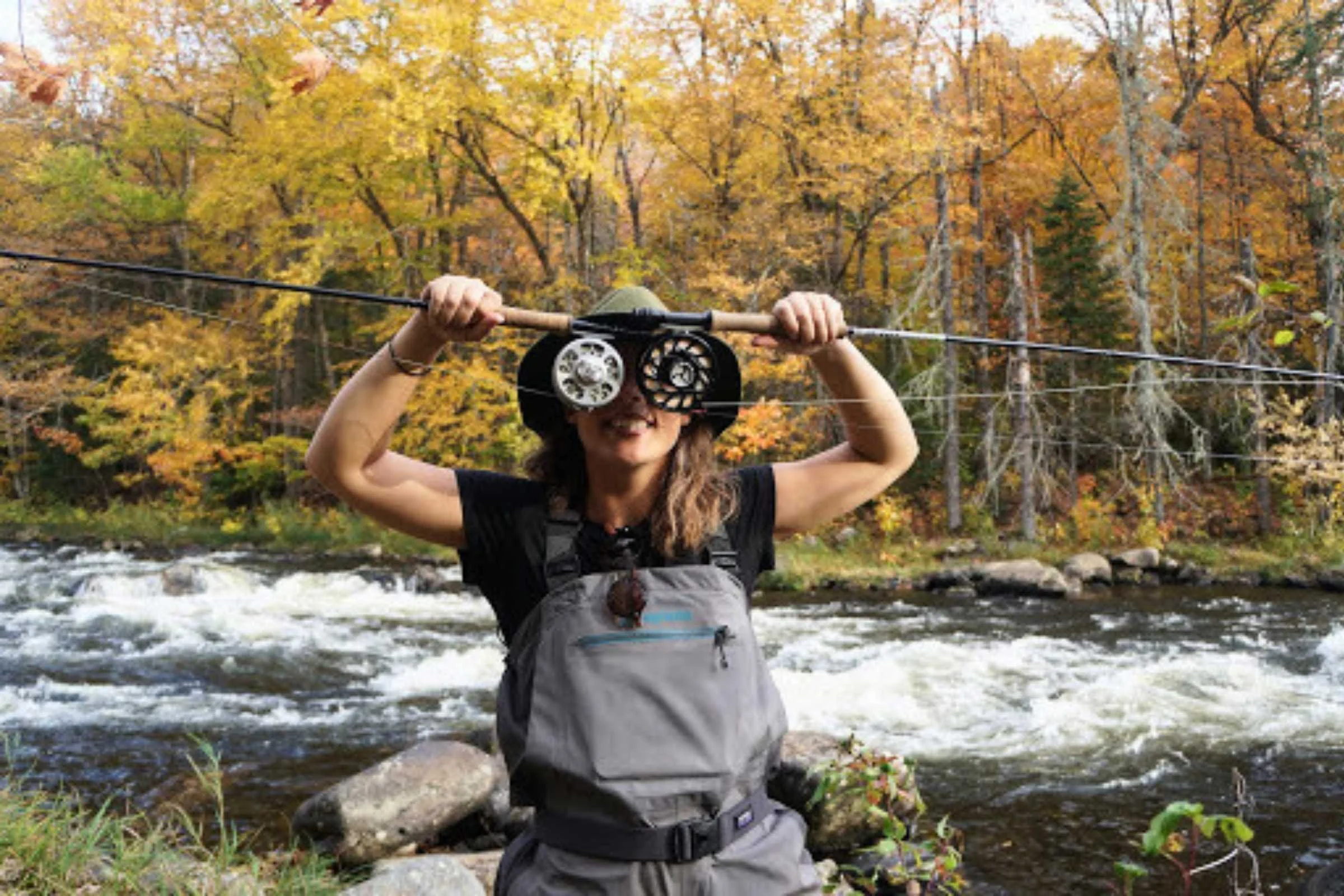
If you are passionate about fly fishing, understanding the proper use of a Fly Fishing Line can significantly improve your casting accuracy and overall fishing experience. Whether you are a beginner or an experienced angler, mastering the techniques associated with your fly fishing line is essential. In this guide, we will explore essential tips, methods, and insights to help you cast effectively, handle your line efficiently, and make every fishing trip more productive.
Understanding Your Fly Fishing Line
Before diving into techniques, it is crucial to know the different types of fly fishing line available. A fly fishing line is not just a piece of gear—it is the lifeline between you and your fly. Lines come in various weights, tapers, and materials, each suited for different fishing conditions. The right fly fishing line can make casting smooth and precise, while the wrong one can cause frustration and poor performance.
Floating lines, for example, are ideal for surface fishing, whereas sinking lines help present flies to deeper water. Additionally, the weight of your fly fishing line should match your rod to maintain balance and control. Selecting the appropriate line ensures that your casts are accurate and that your flies land delicately in the water, avoiding spooking fish.
Types of Fly Fishing Lines
There are several types of fly fishing lines that anglers should be familiar with:
Floating Lines
Floating lines stay on the water surface, making them ideal for dry fly fishing. They allow for easy drag-free presentations, giving your fly a natural look.
Sinking Lines
Sinking lines are designed to take your fly below the surface. They come in slow, medium, and fast sinking rates, providing flexibility depending on water depth and current.
Weight Forward Lines
Weight forward lines concentrate the weight in the front section, making them excellent for long-distance casting and windy conditions.
Double Taper Lines
Double taper lines are uniform in thickness and taper at both ends, making them versatile for delicate presentations and roll casting.
Understanding the different types of fly fishing lines allows you to choose the best one for your fishing conditions, ultimately enhancing your success rate.
Essential Casting Techniques
Mastering casting techniques is key to using your fly fishing line effectively. Here are some essential methods:
Overhead Cast
The overhead cast is the most basic and widely used technique. It involves lifting the rod smoothly and then accelerating it forward to project the fly fishing line onto the water. Timing and rhythm are crucial to ensure the line lands correctly.
Roll Cast
The roll cast is particularly useful when you have limited space behind you. By keeping the line in front of you and using a rolling motion, you can make accurate casts without needing a full backcast.
False Cast
The false cast is a technique used to extend the fly fishing line and dry the fly in the air. It involves repeatedly casting the line back and forth before the final presentation, allowing for greater control over distance and accuracy.
Sidearm Cast
The sidearm cast allows you to cast under obstacles like overhanging branches. By keeping the rod low and parallel to the water, you can navigate tricky spots without snagging your line.
Tips for Managing Your Fly Fishing Line
Proper management of your fly fishing line is essential to avoid tangles, improve casting efficiency, and protect your gear. Here are some practical tips:
- Always keep your line clean and free from debris.
- Regularly check for frays or damage that could affect performance.
- Learn to mend your line in the water to control drag and presentation.
- Store your line properly when not in use to maintain its shape and flexibility.
- Use backing to provide extra line length for fighting larger fish.
By taking care of your fly fishing line, you ensure a longer lifespan for your gear and more enjoyable fishing experiences.
Advanced Tips for Better Casting
Once you have mastered the basic techniques, you can refine your skills with these advanced tips:
- Practice casting in different wind conditions to understand how your fly fishing line behaves.
- Experiment with different line weights to match the fly size and water conditions.
- Focus on smooth acceleration and deceleration of your rod to prevent line slap and improve accuracy.
- Visualize the line’s path and aim for precise landings to increase your chances of catching fish.
Advanced handling of your fly fishing line can elevate your game, making your casting more efficient and effective.
Choosing the Right Fly Fishing Line for Conditions
Different fishing scenarios require specific types of fly fishing lines. Consider these factors when selecting a line:
- Water Type: Fast-flowing rivers might require heavier lines, while calm lakes allow for lighter lines.
- Fly Type: Larger flies need heavier lines for accurate presentation, while small dry flies are best cast with lighter lines.
- Weather Conditions: Wind can greatly influence casting, making weight-forward lines preferable in breezy conditions.
Matching your fly fishing line to the conditions ensures better performance and more enjoyable outings.
Conclusion
Mastering the use of your fly fishing line is a journey that combines knowledge, practice, and attention to detail. From selecting the right line type to refining your casting techniques, every step enhances your ability to connect with fish and enjoy the sport. Remember to maintain your line, experiment with different methods, and always adapt to your fishing environment. With these fly fishing line tips, casting techniques become easy, accurate, and far more satisfying. By understanding and respecting your fly fishing line, you unlock the true potential of your fly fishing adventures.