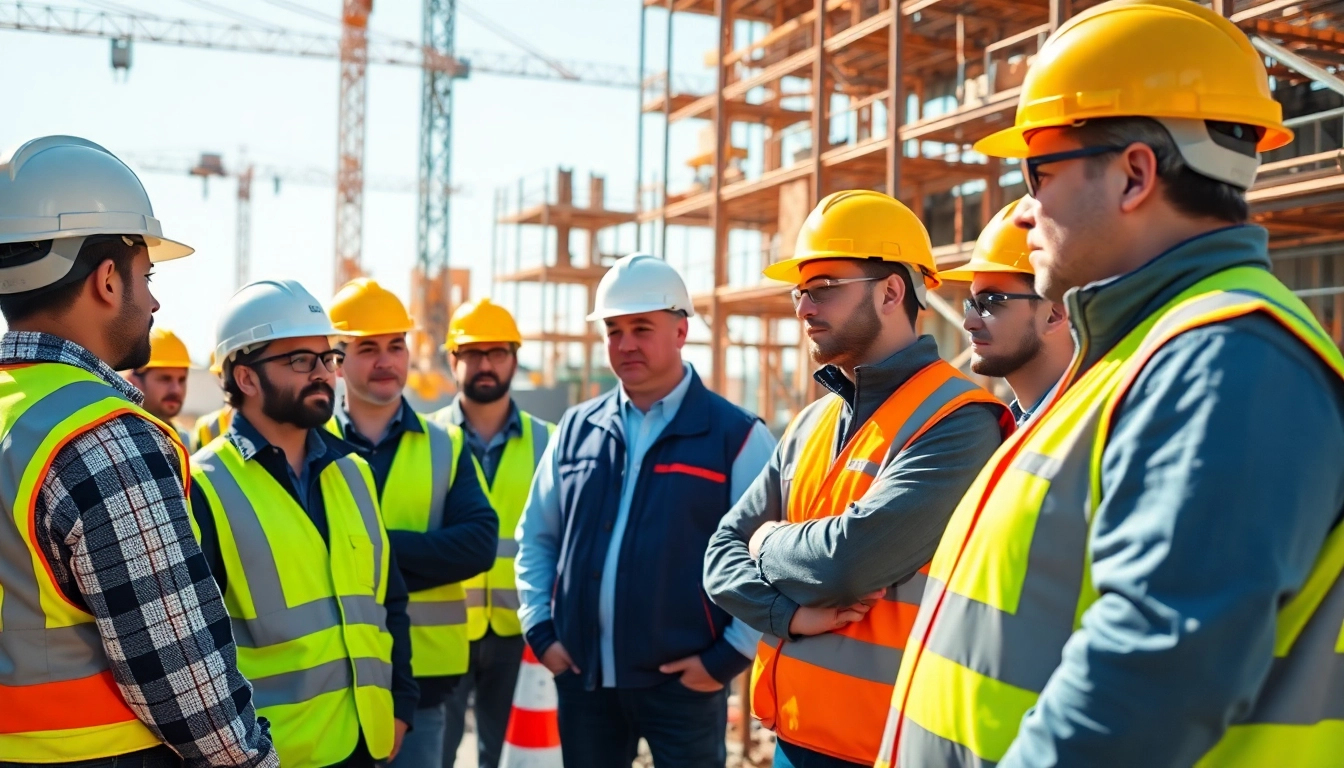

Understanding Construction Safety Programs
What Are Construction Safety Programs?
Construction safety programs are structured plans designed to ensure a safe working environment on construction sites. They encompass a wide range of strategies, policies, and procedures focused on preventing accidents and injuries. These programs are crucial because construction sites are inherently dangerous, with various hazards including falls, equipment malfunctions, and exposure to harmful substances. By proactively addressing these risks, organizations can cultivate a culture of safety, ultimately leading to more productive operations. Implementing construction safety programs not only protects workers but also mitigates financial liabilities for employers.
Importance of Safety in Construction
The importance of safety in construction cannot be overstated. The nature of construction work exposes employees to numerous hazards that can lead to serious injuries or fatalities. Investing in effective safety programs is not just a legal obligation; it is a moral imperative. A robust safety program reduces accident rates, fosters accountability among employees, and enhances overall job satisfaction. Additionally, a safe workplace minimizes downtime and the associated costs due to injuries, which can significantly impact a business’s bottom line. Enhanced safety measures can also improve an organization’s reputation, positioning it as a leader in workplace safety.
Key Components of Effective Programs
Effective construction safety programs share several key components that contribute to their success:
- Risk Assessment: Systematic identification and evaluation of potential hazards specific to a construction site.
- Training: Comprehensive and ongoing training for all employees to ensure they understand safety protocols and procedures.
- Compliance: Adhering to local, state, and federal safety regulations to ensure legal compliance and minimize liabilities.
- Emergency Preparedness: Plans in place for emergency situations, including evacuation procedures and access to first aid.
- Monitoring and Reporting: Regular reporting of safety metrics and incidents to track program effectiveness and areas for improvement.
Common Challenges in Implementing Safety Programs
Lack of Employee Engagement
One of the most significant challenges in implementing construction safety programs is engaging employees. Workers may view safety protocols as obstructive rather than beneficial. To overcome this, companies must foster a culture that prioritizes safety, encouraging open communication where employees feel empowered to participate in discussions about safety practices. Regular safety meetings and collaborative safety committees can enhance employee involvement and investment in safety initiatives.
Resource Constraints
Many organizations face budgetary constraints that can limit the resources available for developing and implementing safety programs. This challenge can be alleviated by leveraging existing resources more effectively and seeking cost-effective training solutions. Organizations can look into utilizing technology, such as e-learning platforms, to provide training without the high costs associated with traditional classroom sessions. Additionally, forming partnerships with local safety training organizations can help share resources and knowledge.
Compliance with Regulations
Staying compliant with an ever-changing landscape of safety regulations poses a significant challenge for many construction firms. Companies must establish a dedicated team or designate a safety officer responsible for staying updated on regulatory changes and ensuring the organization adapts accordingly. This proactive approach will not only improve compliance but also reinforce the company’s commitment to safety.
Best Practices for Developing Construction Safety Programs
Conducting Risk Assessments
The foundation of any effective safety program is a thorough risk assessment. This involves identifying potential hazards specific to the construction site and evaluating the risks associated with each. It should include analyzing the work environment, equipment used, and tasks performed. By understanding these elements, construction firms can implement targeted safety measures to mitigate risks. Regularly revisiting and updating risk assessments is essential to adapt to potential changes in site conditions or regulations.
Providing Comprehensive Training
Comprehensive training is crucial for equipping employees with the knowledge and skills necessary to maintain safety on the job. Training should cover relevant safety regulations, the proper use of personal protective equipment, hazard recognition, and emergency procedures. Moreover, training programs should be tailored to address the specific needs of the workforce and include practical sessions to maximize engagement. Many organizations find value in integrating new training technologies, such as virtual reality, to simulate real-world scenarios and enhance learning experiences.
Establishing Clear Procedures
Clear procedures and protocols are vital for ensuring that all employees understand their roles and responsibilities related to safety. Organizations should document safety procedures in an easily accessible format, providing visual aids and checklists where applicable. Additionally, regular safety drills help to reinforce these procedures, ensuring that all employees are prepared for emergencies. Establishing a clear communication channel for reporting safety concerns allows for prompt identification and resolution of potential hazards.
Real-World Examples of Successful Programs
Case Study 1: A Safe Work Environment
In a case where a large construction firm adopted comprehensive construction safety programs, the company reported a dramatic reduction in workplace accidents. The program included regular risk assessments, comprehensive training for all staff, and a robust system for reporting near-misses, which allowed them to address hazards before they caused injuries. This proactive approach led to increased morale and productivity, as workers felt safer in their environment.
Case Study 2: Enhanced Training Methods
An innovative construction company used augmented reality to enhance their safety training program. By simulating real-life construction scenarios, employees gained hands-on experience with safety equipment, emergency protocols, and risk management strategies. This approach not only improved the retention of safety information but also empowered workers to recognize and address hazards on-site actively. Subsequent evaluations indicated a marked improvement in both safety compliance and worker engagement.
Case Study 3: Leadership Commitment
According to a successful construction manager, sustained commitment from leadership is key to developing effective safety programs. This company implemented a ‘Safety First’ initiative, where upper management led safety training sessions and actively participated in safety audits. This involvement not only highlighted the importance of safety to employees but also fostered an environment of accountability and trust. Their commitment resulted in a culture where safety was prioritized at every level, leading to significant improvements in overall performance.
Measuring the Success of Safety Programs
Key Performance Indicators
To effectively measure the success of construction safety programs, organizations should establish and track key performance indicators (KPIs). These may include metrics such as the frequency of safety incidents, employee participation rates in training sessions, the number of safety audits conducted, and compliance rates with safety procedures. By regularly evaluating these indicators, organizations can identify trends, recognize areas for improvement, and refine their safety programs accordingly.
Employee Feedback and Surveys
Collecting feedback from employees through surveys and interviews is an essential component of measuring the effectiveness of safety programs. Regular feedback sessions allow workers to share their thoughts on safety procedures and suggest improvements based on their experiences. Organizations can leverage this feedback to make informed changes to safety initiatives, ensuring that they remain relevant and effective in addressing workers’ needs.
Continuous Improvement Strategies
Continuous improvement is a fundamental principle of effective safety programs. Organizations should regularly assess their safety practices and compare them against industry benchmarks to identify opportunities for enhancement. Implementing regular training refreshers, encouraging open communication about safety issues, and fostering a culture of learning can help ensure that safety remains at the forefront of organizational priorities. Engaging employees in this process can also enhance their commitment to safety.
FAQs
What is a construction safety program?
A construction safety program is a systematic approach to minimize risks and ensure safety for workers on construction sites, involving strategies, procedures, and employee training.
Why are safety programs important in construction?
Safety programs are vital to prevent workplace accidents, injuries, and fatalities, thereby promoting a safer work environment and reducing financial liabilities for organizations.
How can we engage employees in safety programs?
Engaging employees can be achieved through regular safety meetings, open communication, and collaborative safety committees that encourage input and feedback from the workforce.
What are effective training methods for safety?
Effective training methods include comprehensive instructional sessions, practical demonstrations, and innovative approaches like virtual and augmented reality that simulate real-world situations.
How do we measure the success of safety programs?
Success can be measured through key performance indicators, employee feedback, surveys, and regular audits to evaluate adherence to safety protocols and identify improvement areas.