Understanding Mitsubishi Mini Split AC Systems
The mitsubishi mini split ac systems have transformed the way we think about home climate control. Ductless air conditioning technology has gained popularity due to its efficiency and flexibility, serving homes and businesses without the need for elaborate ductwork. This article dives deeper into what makes these systems unique, their features, and benefits that can greatly enhance your indoor comfort.
What is a Mitsubishi Mini Split AC?
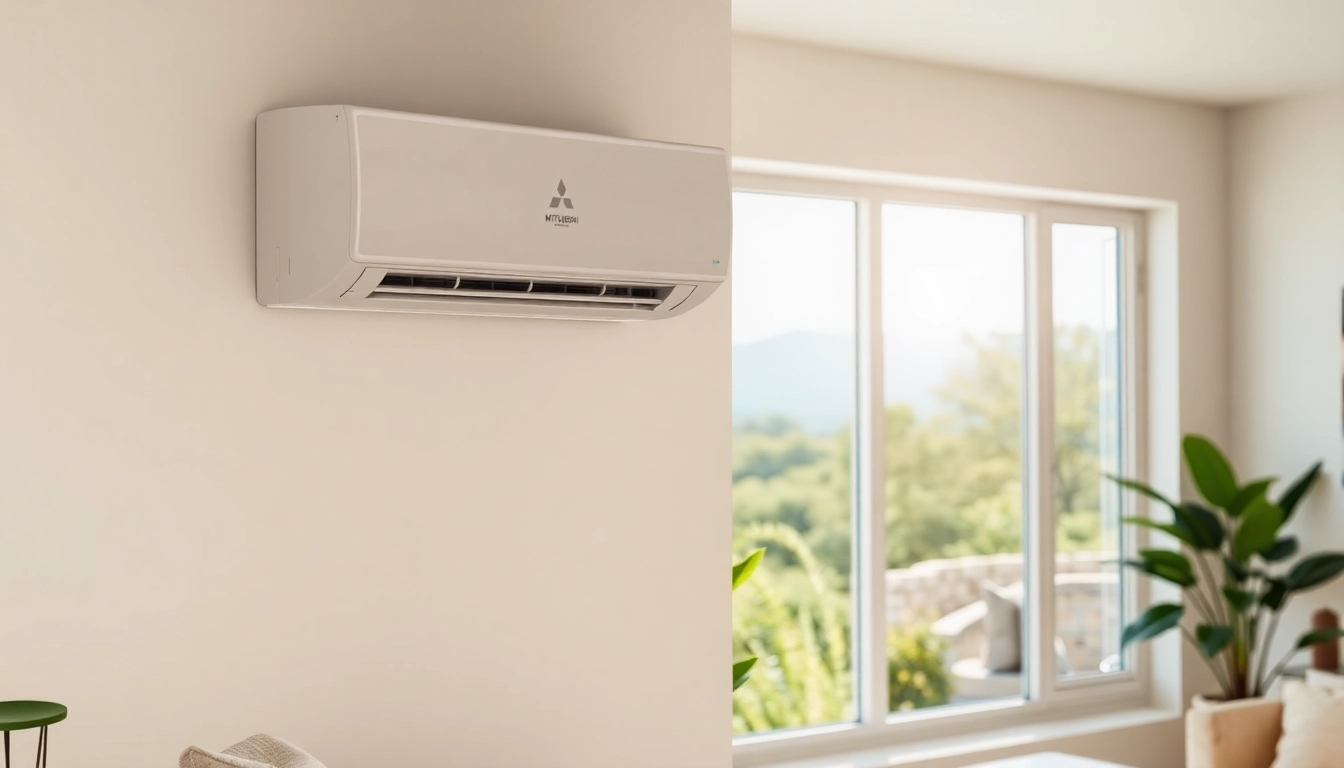
A Mitsubishi mini split AC is a type of ductless air conditioning system designed to offer both heating and cooling capabilities. It consists of two main components: an indoor unit that distributes the conditioned air into your space and an outdoor unit that absorbs or expels heat. This design allows for more versatile installation options, making them suitable for various building types, including homes without existing ductwork.
Key Features and Benefits
Mitsubishi mini splits come equipped with numerous features that stand out in the HVAC market:
- Energy Efficiency: These systems are highly rated for energy efficiency, often rated with SEER (Seasonal Energy Efficiency Ratio) values of 16 or higher, leading to reduced energy bills.
- Zoned Heating and Cooling: Multi-zone systems allow homeowners to control temperatures room by room, enhancing comfort while minimizing waste.
- Quiet Operation: Many mini split units operate at whisper-quiet levels, making them ideal for bedrooms and living spaces where noise can be disruptive.
- Space-Saving Design: The indoor units can be wall-mounted, ceiling-mounted, or even installed flush into ceilings, preserving valuable floor space.
- Flexibility: With various styles available, the Mitsubishi mini split AC makes it possible to customize the installation to fit any room aesthetic.
How Mitsubishi Mini Splits Compare with Other Systems
When compared to traditional HVAC systems, the Mitsubishi mini split offers distinct advantages:
Firstly, traditional systems typically rely on ductwork, which can lose a significant amount of conditioned air (up to 30%) through leaks and poorly insulated ducts. In contrast, mini splits deliver air directly to the rooms they are cooling or heating, improving efficiency.
Secondly, installation is less invasive with mini splits, often requiring only a small hole through walls to connect the indoor and outdoor units. Additionally, they can operate independently, which means you can heat or cool certain areas of your home without affecting others, making them ideal for larger or multi-level homes.
Choosing the Right Mitsubishi Mini Split AC for Your Space
When considering a Mitsubishi mini split AC system, several factors will influence your choice:
Determining the Correct BTU Size
BTU, or British Thermal Units, is a measurement of energy; understanding the correct BTU size needed for your space is crucial. Too small a unit won’t adequately cool or heat the area, while one that’s too large will cycle on and off too frequently, leading to inefficiency. To determine the right size, conduct a cooling load calculation, taking into account the room’s dimensions, ceiling height, insulation quality, and sun exposure.
Single-Zone vs. Multi-Zone Systems
Single-zone systems are ideal for cooling or heating a single room or space, while multi-zone systems can simultaneously serve multiple areas. If you plan to condition only one space, a single-zone model offers an efficient solution. In contrast, for larger homes or those with varied temperature preferences in different rooms, a multi-zone system helps maintain individualized comfort.
Factors that Influence Your Choice
Several other factors should be considered before deciding on a Mitsubishi mini split AC system:
- Local Climate: Understanding your localized weather conditions helps inform your decision on cooling and heating needs.
- Room Function: Consider how the room is used and the times you need climate control most, influencing whether you may need a single or multi-zone unit.
- Installation Location: Evaluate where you want the outdoor and indoor units placed, which might affect the type and model you choose.
- Budget: Consider initial costs along with long-term energy savings when determining which system to install.
Installation Process of Mitsubishi Mini Split AC
The installation of a Mitsubishi mini split AC requires careful planning and execution. Here’s how to ensure a successful installation:
Hiring a Professional vs. DIY Installation
While DIY installation may seem cost-effective, hiring a professional is generally recommended. Experienced technicians will ensure the installation meets local codes and that your system operates at peak efficiency, reducing the risks of issues that could arise from improper setup.
Necessary Tools and Equipment
If you choose to install the unit yourself or simply want to know what professionals will use, here are some essential tools:
- Drill and drill bits
- Refrigerant gauge set
- Level and measuring tape
- Vacuum pump
- Wrenches and screwdrivers
- Electrical tools for wiring connections
Steps to Ensure Correct Installation
Here are the basic steps required for a successful Mitsubishi mini split installation:
- Identify the installation site for the indoor and outdoor units, ensuring the outdoor unit has enough clearance for airflow.
- Install the mounting bracket or base for the indoor unit, making sure it is level.
- Drill a hole through the wall to connect the indoor and outdoor unit lines.
- Connect the refrigerant lines, drain line, and electrical wiring.
- Mount the indoor unit on the wall bracket and connect it to the outdoor unit.
- Check for leaks, then start the system and test operation.
Maintenance Tips for Mitsubishi Mini Split AC
Proper maintenance plays a crucial role in enhancing the lifespan and efficiency of your Mitsubishi mini split AC. Here are tips to help keep your system running smoothly:
Regular Maintenance Tasks for Longevity
Routine maintenance tasks include:
- Cleaning or replacing filters every 1-3 months to ensure proper airflow and efficiency.
- Inspecting and cleaning the outdoor unit to prevent blockages from debris.
- Checking the drain line for clogs to avoid water damage or mold growth.
Identifying Common Issues
With any mechanical system, issues can arise. Common problems for mini splits include:
- Inconsistent temperature control, which may indicate a need for professional assessment.
- Water leaking from the indoor unit, often caused by a blocked drain line or improper installation.
- Noisy operation, which might point to a failing compressor or an issue with the outdoor unit.
When to Call a Professional
If you notice consistent issues with your system or require assistance with more complex problems like refrigerant leaks, it’s essential to contact a professional. They can diagnose problems accurately and provide proper repairs or maintenance service.
Frequently Asked Questions About Mitsubishi Mini Split AC
What energy efficiency ratings should I look for?
Look for SEER ratings above 16 for optimal energy efficiency. The higher the rating, the more efficient the system will be, leading to reduced energy bills.
How noisy are Mitsubishi mini split AC units?
Most Mitsubishi mini split AC units are designed to operate quietly, with sound levels ranging from 19 to about 50 decibels, making them suitable for bedrooms and living areas.
Can I use Mitsubishi mini split AC for heating?
Yes, Mitsubishi mini splits are capable of heating spaces efficiently using a heat pump, making them suitable for year-round climate control.
How much do Mitsubishi mini split AC units cost?
Prices can vary based on the model and installation but generally range from $1,500 to more than $5,000, including both units and professional installation.
What is the typical lifespan of a Mitsubishi mini split AC?
The average lifespan of a Mitsubishi mini split AC is typically around 15 to 20 years with proper maintenance, making them a long-term investment for home climate control.