
Understanding Bed Bugs: Identification and Behavior
What are Bed Bugs?
Bed bugs are small, wingless insects that belong to the Cimex lectularius species. They feed on the blood of humans and other warm-blooded hosts. Adult bed bugs are reddish-brown, about 4-5 mm in length, resembling apple seeds. Their flat bodies allow them to hide in small crevices, making detection challenging. Regular inspections are crucial as their presence can lead to sleepless nights and anxiety, making effective bed bug removal essential.
Common Signs of Infestation
Recognizing signs of a bed bug infestation early is vital for effective control. Common indicators include:
- Red, itchy welts on your skin, often occurring in a line or cluster.
- Dark spots on bedding, which are bed bug excrement.
- Visible bed bugs, their shells, or shed skins in hiding spots such as mattresses, headboards, and furniture.
- Sweet or musty odor, which can be present in heavily infested areas.
How Bed Bugs Spread
Bed bugs can hitch a ride on personal belongings like luggage, clothes, and furniture, making them particularly adept at spreading. They are often transported unknowingly from infested areas to new environments. Since they can survive for months without feeding, it’s easy for them to establish populations in hotels, apartments, and even public transportation systems.
Preventative Measures for Bed Bug Removal
Regular Cleaning Techniques
Keeping your home clean is a vital step in preventing bed bug infestations. Employing the following regular cleaning techniques can help:
- Wash bedding, linens, and clothing frequently in hot water and dry on high heat.
- Vacuum carpets and rugs thoroughly, paying special attention to edges and corners.
- Clean clutter around beds and living spaces to reduce hiding spots.
Protective Covers and Encasements
Investing in bed bug-proof encasements for mattresses and box springs is an excellent proactive measure. These encasements create a barrier that prevents bed bugs from taking refuge in these areas while also containing any existing bed bugs. It’s important to check these covers regularly for signs of infestation.
Inspection Tips to Catch Infestations Early
Frequent inspections can help catch bed bugs before they become a severe problem. Here are some tips:
- Inspect seams, folds, and buttons on mattresses and upholstery where bed bugs like to hide.
- Look for signs of bed bugs in common travel areas such as hotel rooms.
- Use a flashlight and magnifying glass for thorough examinations in crevices and corners.
Professional Bed Bug Removal Methods
Heat Treatment Explained
Heat treatment is one of the most effective methods for exterminating bed bugs. This method involves raising the temperature of a room to a level that is lethal to bed bugs, typically between 120°F to 140°F. Professional exterminators use specialized equipment to ensure consistent and even heat distribution throughout the area. This method can eliminate all life stages of bed bugs, including eggs, and usually requires only one treatment.
Chemical Treatment Options
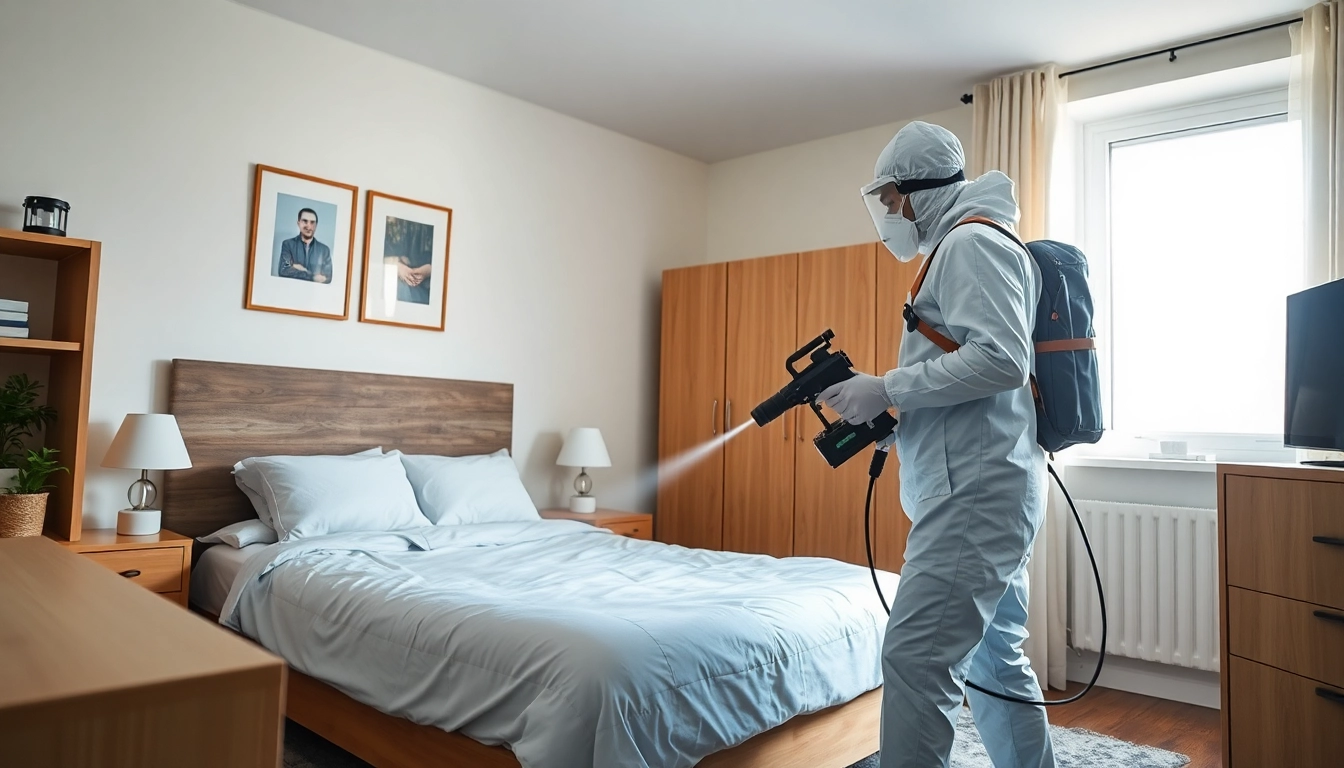
Chemical treatments can complement heat solutions. Pesticides specifically formulated to target bed bugs can be applied in various forms such as sprays, dusts, and aerosols. When opting for chemical treatments, professionals often utilize an Integrated Pest Management (IPM) approach that combines inspection, monitoring, and multiple action techniques to ensure thorough extermination while minimizing chemical exposure.
Integrated Pest Management (IPM)
IPM is a holistic approach to pest control that emphasizes prevention and non-chemical methods. This strategy often includes:
- Regular monitoring for early detection.
- Using physical barriers, traps, and environmental modifications.
- Employing targeted chemical treatments only when necessary.
D.I.Y. Bed Bug Removal: Is It Effective?
Common Home Remedies
Many people consider DIY tactics for bed bug control. Popular home remedies include:
- Using diatomaceous earth, which dehydrates bugs on contact.
- Applying heat through steam cleaners on surfaces infested by bugs.
- Utilizing essential oils, although their effectiveness varies.
When to Use D.I.Y. Methods
D.I.Y. methods may be suitable for minor infestations, especially if caught early. If only a few bugs are detected or if there are only signs of infestation but no evidence of bites, tactical cleaning and these remedies could suffice.
Limitations of D.I.Y. Approaches
While DIY solutions can be useful, they have notable limitations:
- Inadequate to eradicate a significant infestation, which may require professional intervention.
- Time-consuming and may lead to further spread if not executed properly.
- Potentially unsafe if chemical agents are misused.
Cost Factors and Hiring Professionals for Bed Bug Removal
Factors That Affect Treatment Costs
There are several factors influencing the cost of professional bed bug removal services, including:
- Severity and size of infestation, which determines the treatment plan and time required.
- The methods used; heat treatment often costs more upfront than chemical methods.
- Size of the area affected; larger spaces require more resources.
How to Choose a Pest Control Company
Choosing the right pest control company is crucial for effective bed bug removal. Consider the following tips:
- Look for licensed and insured professionals with proven experience.
- Read customer reviews and testimonials for insights into service quality.
- Ask about the methods employed and their effectiveness.
Questions to Ask Before Hiring
When speaking to potential pest control companies, be prepared to ask:
- What methods do you use for bed bug removal?
- How do you ensure the safety of my home and family during treatments?
- What follow-up steps are included after treatment?
FAQs
Is it safe to stay in a house with bed bugs?
While bed bugs do not transmit diseases, their bites can lead to discomfort and anxiety, making it advisable to address the infestation swiftly.
What kills bed bugs instantly?
High heat (over 115°F) or specific chemical sprays can instantly eliminate bed bugs upon contact. Always follow safety guidelines when applying treatments.
How can I prevent bed bugs from entering my home?
Regularly inspect luggage after traveling, use protective covers, maintain cleanliness around sleeping areas, and inspect second-hand furniture before bringing it home.
Are DIY methods effective?
DIY methods may be effective for minor infestations but typically fall short against severe cases, where professional treatments are recommended for best results.
What should I expect during a professional treatment?
A professional treatment will start with a thorough inspection, followed by the application of targeted treatments, which may include heat, chemicals, or an IPM approach, to effectively eliminate bed bugs.