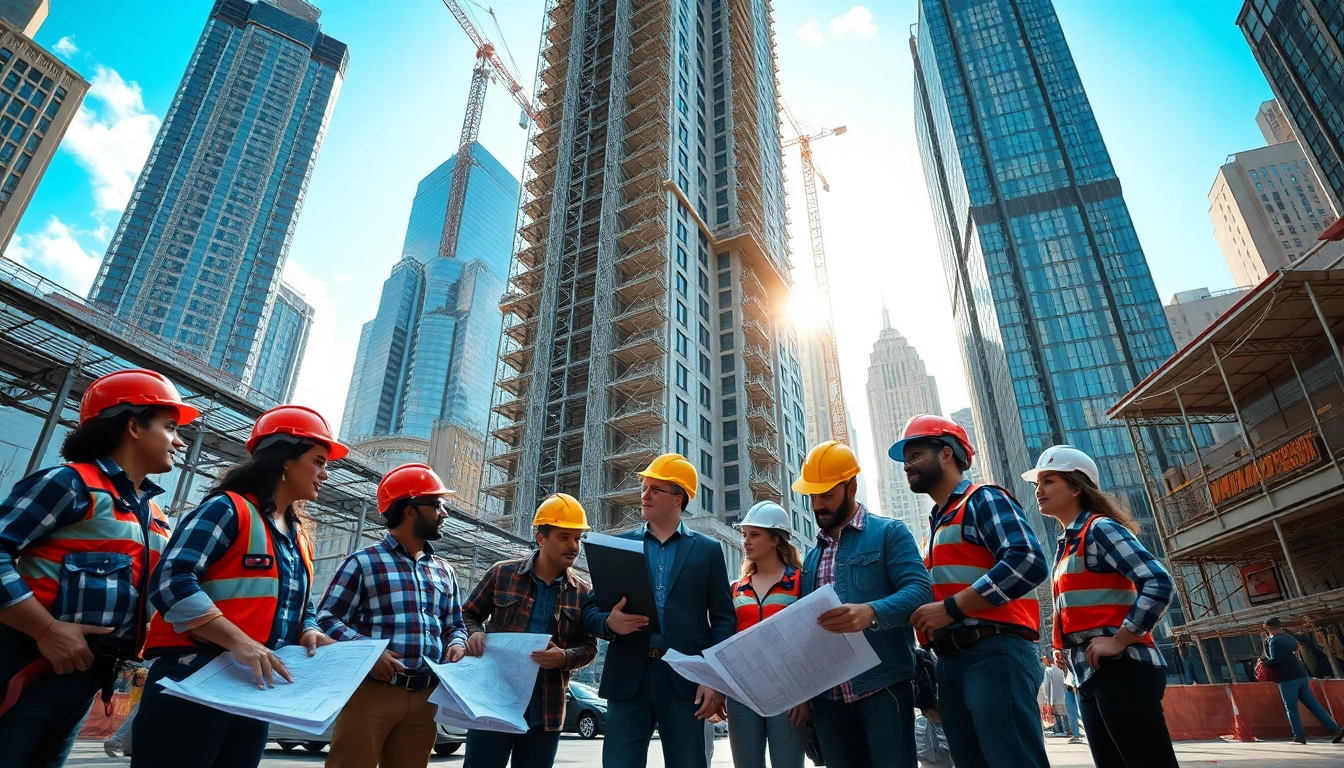
The Role of a Real Estate Construction Company
A real estate construction company plays a pivotal role in the development and enhancement of both residential and commercial properties. Understanding the multifaceted responsibilities of such companies is crucial for those who are considering investments in real estate or exploring career opportunities within this field. Their work encompasses the entire lifecycle of property development, from initial land acquisition to final project delivery.
Understanding Core Functions
The primary functions of a real estate construction company can be categorized into several key areas:
- Land Acquisition: Identifying and negotiating the purchase of suitable land parcels is the first step. This includes conducting feasibility studies to ensure profitable returns on investment.
- Financing: Securing the necessary funds to support construction projects is paramount. This may involve partnerships with financial institutions or private investors.
- Design and Planning: Collaborating with architects and engineers to create functional and aesthetically pleasing designs while ensuring compliance with zoning regulations and building codes.
- Construction Management: Overseeing the construction process, coordinating subcontractors, and managing timelines and budgets are critical to successful project execution.
- Quality Control: Implementing measures to ensure that all work meets the required standards and specifications, thereby minimizing post-construction issues.
- Post-Construction Services: Following project completion, companies often provide property management services or ongoing maintenance support.
Key Stakeholders and Collaborations
Successful projects rely on effective collaboration among various stakeholders. The primary participants include:
- Property Developers: They initiate the project and are responsible for overseeing its progress.
- Architects and Engineers: These professionals design the project and ensure structural integrity.
- Contractors: General contractors manage everyday operations and subcontractors are often called in for specialized tasks.
- Regulatory Bodies: These entities enforce building codes and zoning laws, ensuring that construction projects meet all legal requirements.
- Investors: Both private and institutional investors provide the capital necessary for project initiation and execution.
- End-users: Ultimately, the clients who will occupy or utilize the completed properties play a crucial role in determining project specifications and success.
Types of Projects Undertaken
Real estate construction companies typically undertake a variety of projects, classified into three main categories:
- Residential Projects: These include single-family homes, condominiums, and townhouses aimed at buyers looking for personal residences.
- Commercial Projects: These encompass office buildings, retail spaces, and multifamily housing, designed primarily for businesses and investors.
- Mixed-Use Developments: Combining residential, commercial, and sometimes industrial spaces, these projects promote community integration and efficiency.
Essential Skills for Team Members
The success of a real estate construction company is largely determined by the skills of its team members. Each role requires specific competencies to ensure that projects are completed on time, within budget, and to quality standards.
Civil Engineering and Architecture
Expertise in civil engineering and architecture is fundamental. Team members must understand structural design, land use planning, and sustainable building practices. Continuous education in new technologies and methodologies is essential for staying current in the industry.
Project Management Techniques
Efficient project management is critical. This entails planning, executing, and monitoring projects, while also ensuring that resources are allocated appropriately. Emphasis on Agile methodologies can foster adaptability to changing project requirements and improve team collaboration.
Communication and Negotiation Skills
Strong communication and negotiation abilities are paramount. Teams must effectively articulate project needs, coordinate among stakeholders, and resolve conflicts to maintain synergy throughout the project lifecycle. Building and nurturing relationships are also vital in ensuring long-term success.
Best Practices in Project Execution
Adopting best practices in execution ensures projects not only meet but exceed expectations across various dimensions, including time, budget, and quality.
Planning and Design Phases
Thorough planning and design are critical for any project’s success. Utilizing collaborative strategies, such as design charrettes, can encourage ideas and feedback among stakeholders. Ensuring all voices are heard often leads to better outcomes and satisfaction.
Budget Management Techniques
Proactive budgeting is essential. Tools such as Earned Value Management (EVM) can provide insights into project performance and help anticipate potential cost overruns, allowing teams to respond ahead of time to mitigate financial risks.
Quality Assurance Protocols
Implementing stringent quality assurance protocols ensures that all work aligns with the agreed-upon specifications and standards. Regular inspections and adherence to benchmarks can identify issues early, reducing the need for costly rework.
Technological Advancements in Construction
Technology is transforming the construction landscape, offering innovative solutions that enhance efficiency, safety, and sustainability.
Using Building Information Modeling (BIM)
BIM technology provides a digital representation of physical and functional characteristics of a project, enhancing visualization and communication. This tool supports better collaboration among project teams and significantly reduces costly changes during the construction phase.
Innovative Construction Materials
Exploring innovative materials such as self-healing concrete and prefabricated components can streamline construction and enhance durability. Engaging with suppliers that prioritize sustainability can also improve a company’s overall environmental footprint.
Digital Project Management Tools
Utilizing digital project management systems can facilitate real-time tracking of resources and timelines. Integrating tools that promote collaboration and document sharing helps teams remain aligned and informed, ultimately leading to smoother project execution.
Future Trends for Real Estate Construction Companies
The construction industry is constantly evolving, and staying ahead of trends is critical for real estate construction companies looking to thrive in a competitive marketplace.
Sustainability and Green Building Practices
As environmental considerations increasingly influence consumer behavior, embracing sustainability can significantly enhance marketability. Strategies such as energy-efficient building practices, sustainable materials, and waste reduction are becoming paramount in attracting eco-conscious buyers.
Urban Development and Smart Cities
The rise of smart cities, which leverage technology to enhance urban living, presents new opportunities. Construction companies can contribute to these developments by integrating advanced technologies in urban planning, traffic management, and energy efficiency.
Adapting to Market Demands
The ability to swiftly adapt to changing market demands and consumer preferences will distinguish successful companies from their competitors. Regularly gathering and analyzing market data enables companies to pivot strategies when necessary, ensuring long-term viability.
Frequently Asked Questions
What is a real estate construction company?
A real estate construction company specializes in acquiring land, financing developments, and managing the construction or renovation of properties for residential and commercial uses.
How do real estate construction companies manage costs?
Effective budget management techniques such as forecasting, variance analysis, and utilization of digital tools aid in monitoring expenses and minimizing overruns throughout the construction process.
What qualifications are needed to work in real estate construction?
Qualifications vary based on role but generally include degrees in engineering, architecture, or construction management, along with certifications relevant to specific disciplines.
How can technology improve construction projects?
Technology improves construction through tools like BIM for visualization, project management software for scheduling and communication, and innovative materials that enhance safety and efficiency.
What trends are shaping the future of construction?
Key trends include sustainability practices, the development of smart cities, and the increasing necessity to adapt to market changes, all contributing toward reshaping the construction landscape.