
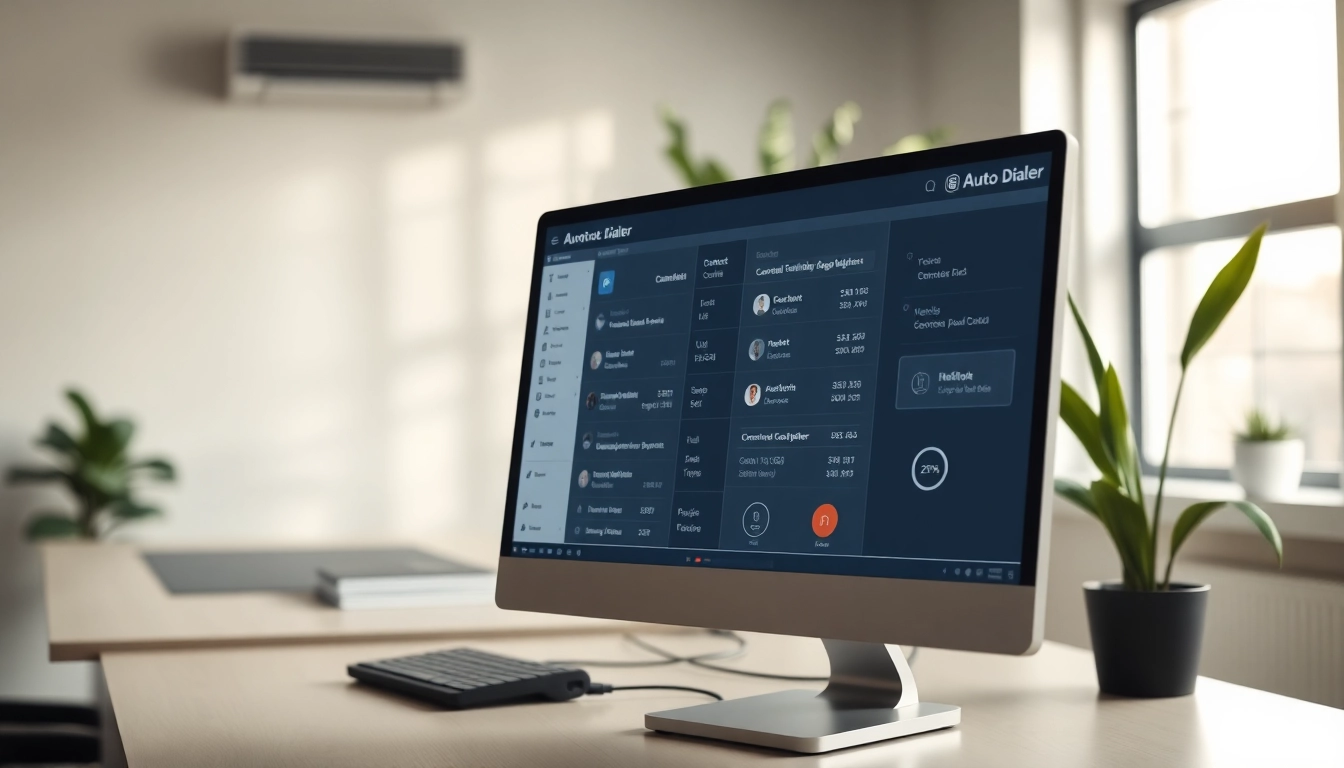
Understanding the Auto Dialer: An Overview
What is an Auto Dialer?
An auto dialer is a sophisticated system designed to automatically dial phone numbers from a pre-loaded list and connect answered calls to live agents. The technology optimizes the outbound calling process by increasing the rate at which calls are made, as well as the overall efficiency of telecommunication endeavors.
At its core, an auto dialer reduces the manual effort of dialing numbers, allowing businesses to focus on productive interactions rather than time-consuming call initiations. This capability has made auto dialers an essential part of call centers, sales teams, and any organization looking to enhance communication and outreach efforts.
Different Types of Auto Dialers
Understanding the different types of auto dialers is critical for businesses looking to choose the right tool for their needs. There are primarily three categories of auto dialers:
- Predictive Dialers: These systems analyze the availability of agents and predict when a new call should be dialed. They maximize agent talk time by minimizing the periods during which agents are not engaged with customers.
- Progressive Dialers: This type dials a number and connects the call only when an agent is available. Progressive dialers are less aggressive than predictive dialers, making them ideal for businesses that prefer a more controlled calling approach.
- Preview Dialers: These allow agents to review customer information before connecting the call. They offer a more personalized approach, making them suitable for sales and fundraising scenarios where understanding the prospect is crucial.
Benefits of Using an Auto Dialer
The adoption of an auto dialer brings numerous advantages to organizations seeking to enhance their outbound communication strategies:
- Increased Call Volume: Auto dialers can dramatically increase the number of calls made, multiplying the opportunities for sales or customer engagement.
- Improved Efficiency: By automating the dialing process, agents can devote more time to speaking with customers rather than manually dialing numbers.
- Better Data Collection: Many auto dialers come equipped with features for tracking call outcomes, which fosters better analysis of outreach strategies and improves future campaigns.
- Regulatory Compliance: Modern auto dialers often include features that help ensure adherence to regulations governing telemarketing and cold calling, reducing the risk of legal complications.
Key Features of an Auto Dialer
Call Connection Rates and Metrics
One of the most critical aspects of an auto dialer is its ability to track and report on call connection rates. Metrics such as the percentage of connected calls, average handling time, and drop rates provide insights into how effectively the dialing system is operating. High connection rates are indicative of an efficient dialing strategy, while low rates may prompt a review of calling lists or dialing techniques.
To enhance connection rates, advanced auto dialers employ algorithms that optimize dialing times based on when contacts are most likely to answer. By analyzing historical data, businesses can maximize the chances of a successful connection.
Integration with CRM Systems
For businesses that rely on customer relationship management (CRM) systems, the ability to integrate an auto dialer with existing platforms is crucial. Integrating dialing software with a CRM allows for seamless data flow; agents can access customer information instantly while on a call, providing a more personalized experience.
Moreover, integration automates data entry, significantly reducing the administrative burden on teams. Call notes, outcomes, and customer interactions can be recorded automatically, ensuring that teams have up-to-date information at their fingertips.
User-Friendly Interface Design
An intuitive and user-friendly interface is essential for maximizing the effectiveness of an auto dialer. Systems that offer easy navigation, clear dashboards, and simple reporting functionalities empower agents to operate efficiently. Training time is reduced when software is straightforward, leading to quicker adaptation and productivity gains.
Additionally, an easy-to-use interface supports agents in managing calls effectively, adjusting settings as per campaign needs, and responding to customer inquiries without technological hindrance.
Best Practices for Effective Use of Auto Dialers
Setting Up Campaigns for Success
To maximize the benefits of an auto dialer, campaign set-up is vital. This process should include:
- Defining Clear Objectives: Understand what the campaign aims to achieve—be it lead generation, customer engagement, or follow-ups on inquiries.
- Segmenting Calling Lists: Utilize customer data to group contacts based on specific criteria. Personalization is essential for effective communication.
- Testing Dialing Strategies: Experiment with different dialing techniques and times to identify what yields the best connection rates and customer responses.
Regulatory Compliance and Legal Considerations
Engaging in outbound calling requires strict adherence to various regulations, including compliance with the Telephone Consumer Protection Act (TCPA) in the United States. To avoid penalties, organizations must ensure they:
- Maintain an updated do-not-call list.
- Obtain consent from contacts before dialing their numbers.
- Implement features that prevent violations of time-of-day restrictions for calling.
Monitoring Performance and Making Adjustments
Consistent monitoring of the auto dialer’s performance allows organizations to identify trends and inefficiencies. By analyzing data-driven insights and feedback from agents, businesses can make informed adjustments to their dialing strategies:
- Regular Reporting: Develop a consistent reporting schedule to review key metrics and call outcomes.
- Gathering Feedback: Engage with agents to understand their experiences with the auto dialer and gather suggestions for improvement.
- Adjusting Based on Performance: Continuously refine dialing lists, call scripts, and campaign strategies based on performance analytics.
Challenges in Using Auto Dialers
Common Technical Issues
While auto dialers are beneficial tools, they can face technical challenges that impede performance, such as:
- Poor Connectivity: Network issues can lead to dropped calls or poor audio quality, impacting agent performance.
- Incompatibility: Lack of integration with existing systems can hinder data flow and effectiveness.
- System Outages: Downtime for software updates or unforeseen issues can disrupt calling operations.
Dealing with Lead Quality
Not all leads are created equal. A common challenge with auto dialers is dealing with lead quality. Implementing a stringent lead qualification process to evaluate potential leads can improve outcomes. Techniques might include:
- Data Cleaning: Regularly update and verify contact information to reduce wasted calls.
- Scoring Leads: Use data-driven methods to score leads based on previous interactions or demographic information to focus efforts on the most promising contacts.
- Follow-Up Strategies: Develop follow-up plans for leads that haven’t responded, using various communication methods before re-engaging with a call.
Mitigating User Fatigue and Annoyance
User fatigue is a real concern in automated calling. Constant calls can lead to frustration among potential leads, resulting in negative perceptions of your brand. Strategies to mitigate this include:
- Tailoring Call Frequency: Space out calls to avoid overwhelming contacts and respect their preferred communication times.
- Clear Communication: Ensure calls are personable and relevant, providing genuine value to recipients to create a positive experience rather than simply sales pitches.
- Utilizing Voicemail Drops: Instead of live calls every time, consider leaving pre-recorded messages when reaching voicemails for a less intrusive approach.
Future Trends in Auto Dialer Technology
AI and Machine Learning Integration
The future of auto dialers is set to be heavily influenced by sophisticated technologies like artificial intelligence (AI) and machine learning. These technologies can enhance auto dialers by:
- Predicting Customer Behavior: Insights gained from AI analytics can inform dialing strategies, predicting the best times to reach specific contacts.
- Improving Predictive Dialing Algorithms: By analyzing vast datasets, machine learning models can continuously improve dialing processes and call scripts based on past performance.
- Enhanced Customer Interaction: AI can assist in real-time during calls, helping agents retrieve information or suggest responses based on customer queries.
Cloud-Based Solutions
Cloud technology is transforming the landscape of auto dialing, allowing businesses to operate remotely while maintaining high levels of connectivity and efficiency. Cloud-based auto dialers provide several benefits:
- Scalability: Cloud solutions can easily be scaled up or down to meet fluctuating demands.
- Accessibility: Agents can access dialing systems from anywhere, facilitating remote work setups seamlessly.
- Cost-Effective Solutions: Cloud-based pricing models often reduce the need for hefty initial investments in hardware, making them accessible for businesses of all sizes.
Enhanced Features for Remote Workforces
The shift towards remote working has necessitated the innovation of features aimed at supporting remote call agents. Future trends may see:
- Unified Communication Platforms: Combining auto dialers with chat, video, and email functions to create an all-encompassing communication tool for remote teams.
- Real-Time Call Monitoring: Supervisors being able to monitor calls in real-time from anywhere to provide immediate support and training.
- Advanced Reporting Tools: More sophisticated analytics features providing insights into team performance and productivity metrics from the comfort of any workspace.