
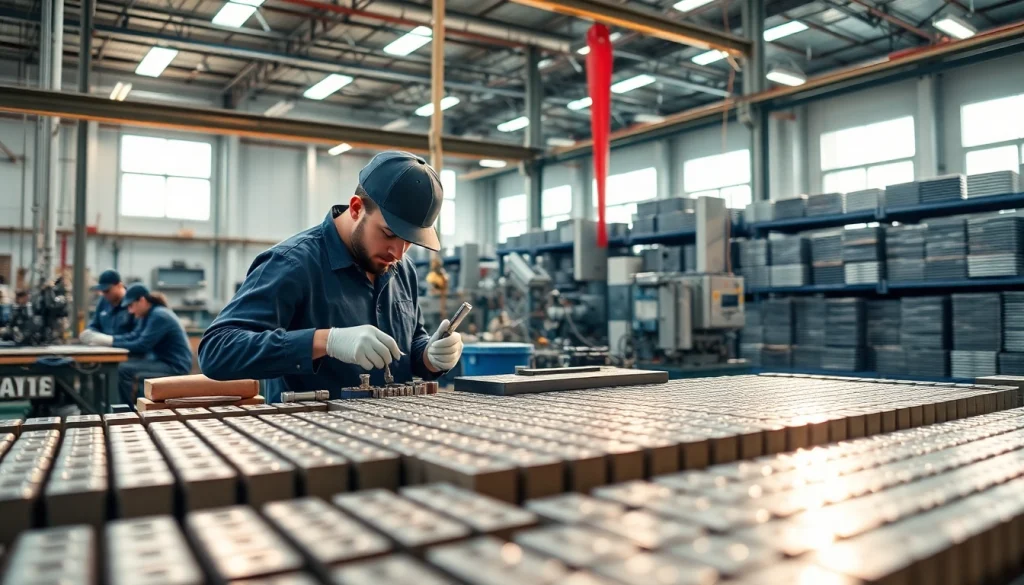
Understanding NdFeB Magnets
What are NdFeB Magnets?
Neodymium Iron Boron (NdFeB) magnets are a type of rare earth magnet, known for their exceptional strength and versatility. These magnets are composed of neodymium, iron, and boron, and their composition contributes to their high magnetic output. Because of their remarkable magnetic properties, they are categorized as the strongest commercially available permanent magnets, offering impressive magnetic fields for various applications.
One of the defining traits of NdFeB magnets is their ability to maintain a high level of magnetization, even in extreme conditions. Their high coercivity makes them resistant to demagnetization, which is crucial for industrial applications where reliability is paramount. This unique attribute has made NdFeB magnets the preferred choice across numerous industries, including electronics, automotive, renewable energy, and healthcare.
Applications of NdFeB Magnets in Various Industries
NdFeB magnets are utilized in a multitude of applications due to their outstanding magnetic performance. In the electronics sector, they are essential in the manufacture of hard drives, magnetic sensors, and motors. The automotive industry relies on these magnets for electric motors and sensors, where high performance is critical for vehicle efficiency and safety.
Moreover, in the renewable energy sector, NdFeB magnets play a pivotal role in wind turbines, enhancing energy conversion efficiency. Their compact size and high strength allow for the design of smaller and more efficient turbines. In healthcare, they are important in MRI machines, contributing significantly to imaging quality.
Other applications include magnetic resonance imaging (MRI) technology, robotics, and aerospace, showcasing the magnets’ versatility and adaptability across different fields. The continuous demand for high-performance magnets underscores their significance in contemporary technological advancements.
The Importance of Magnet Quality
The quality of NdFeB magnets directly influences the performance and reliability of the devices they are integrated into. High-quality magnets exhibit better magnetic properties that ensure functionality and durability. In applications such as automotive, medical, and industrial, the failure of a magnet can lead to significant performance issues, safety risks, and financial loss.
To ascertain magnet quality, parameters such as magnetic strength, thermal stability, and the capability to withstand harsh environmental conditions must be evaluated. Furthermore, manufacturers should adhere to stringent quality control protocols during production, ensuring that each batch meets the necessary specifications and standards.
Investing in high-quality NdFeB magnets not only enhances product performance but also optimizes the overall operational lifespan, thereby reducing long-term operational costs. For companies seeking Ndfeb magnets manufacturer in china, quality assurance should be a primary consideration to ensure that the magnets meet industry-specific requirements.
Choosing a Reliable NdFeB Magnets Manufacturer in China
Key Factors to Consider
When selecting a manufacturer for NdFeB magnets, several key factors should be taken into account to ensure the effectiveness and quality of the products. First and foremost, assess the manufacturer’s experience and reputation in the industry. A well-established manufacturer will have proven capabilities and a track record of producing high-quality magnets.
Engaging with manufacturers that specialize specifically in NdFeB magnets is advantageous as they will likely possess advanced technological capabilities and in-depth knowledge of the materials and processes involved in magnet production.
Additionally, consider the manufacturer’s capabilities in customization, as many applications may require specific sizes, shapes, or magnetic properties. The ability to tailor products to meet unique specifications can be a crucial factor for clients needing specialized solutions.
Evaluating Manufacturer Credentials
Evaluating a manufacturer’s credentials involves verifying their certifications, memberships, and compliance with international quality standards. Look for producers that have ISO certification, which signifies adherence to quality management systems, as well as additional certifications relevant to specific industries, such as automotive or medical.
Furthermore, examining client testimonials and reviews can provide insights into the manufacturer’s reliability and customer service. A professional manufacturer with strong ethical practices will be transparent about their production methods and quality control measures, enhancing trust in their products.
Understanding Manufacturing Processes
To make informed decisions, it is beneficial to understand the manufacturing processes used by potential NdFeB magnet suppliers. Processes such as sintering and rapid tooling are common in magnet production, and insights into these methods can indicate their technological capabilities.
Inspecting the measures taken for quality assurance throughout the manufacturing process is also critical. High-quality manufacturers will implement strict testing protocols at multiple stages, from material selection to final product evaluation. Understanding these processes not only helps guarantee product quality but also ensures that production aligns with client expectations and industry standards.
Cost Considerations for NdFeB Magnets Manufacturing
Budgeting for Quality Magnets
Cost is a significant factor when budgeting for NdFeB magnets. While initial pricing should be examined, it’s equally important to consider the long-term benefits of investing in high-quality magnets. Often, cheaper options may compromise on performance or durability, leading to increased costs down the line due to replacements or functional failures.
When budgeting, consider all associated costs, including materials, logistics, and potential implementation expenses. Evaluating life cycle costs (LCC) can also offer insights into which options present the best value over time.
In discussions with manufacturers, clarify pricing structures and seek breakdowns of costs associated with customizations or varying specifications to gain better visibility into pricing models.
Comparative Costs in Different Regions
Manufacturing costs for NdFeB magnets can vary significantly by region, influenced by factors such as labor costs, material accessibility, and technological infrastructure. In many cases, China offers competitive pricing due to established supply chains, lower labor costs, and an extensive pool of experienced manufacturers.
However, while costs may be lower, it is still essential to ensure that quality does not suffer. Potential buyers should conduct market research to compare quotes from various regions, weighing the balance between cost and quality. This approach can help identify the most economically viable options without sacrificing standard.
Evaluating Total Ownership Costs
Total ownership costs (TOC) encompass all expenses associated with owning and operating magnets over their lifespan, including acquisition costs, operational costs, and disposal costs. Understanding TOC is crucial for informed decision-making and budgeting.
Incorporating factors such as installation expenses, maintenance requirements, and potential failure rates can lead to more accurate comparisons between various purchasing options. It may be beneficial to engage financial analysts or consult with industry experts to develop comprehensive cost models.
Quality Assurance in NdFeB Magnet Production
Standards and Certifications to Look For
Quality assurance is critical in NdFeB magnet production. Relevant standards and certifications, such as ISO 9001, indicate that a manufacturer adheres to rigorous quality management protocols. Additionally, certifications related to specific applications or industries can further enhance confidence in a manufacturer’s capabilities.
Manufacturers that follow international standards often implement comprehensive quality control systems, which can include everything from raw material selection to final product testing. Such meticulous oversight ensures that the magnets produced maintain their superior performance and durability throughout their use.
Testing Methods for NdFeB Magnets
Rigorous testing methods are essential to establish the performance characteristics of NdFeB magnets. Manufacturers typically conduct tests on magnetic strength, temperature tolerance, and resistance to demagnetization. Common testing practices may involve using fluxmeter measurements or coercivity testing.
Furthermore, stress tests can simulate environmental conditions to ascertain a magnet’s reliability under load. It’s important that manufacturers provide documentation detailing their testing methods, results, and any compliance with applicable standards.
Importance of Continuous Improvement in Manufacturing
The field of magnet manufacturing is dynamic, driven by advancements in technology and materials. Therefore, manufacturers should prioritize continuous improvement initiatives. This may involve investing in new production technologies, refining processes, and implementing feedback systems for product evaluation.
By adopting lean manufacturing principles, companies can reduce waste, improve efficiencies, and enhance product quality. Continuous improvement contributes not only to meeting current market demands but also to facilitating innovation that can lead to new applications and market opportunities.
Future Trends in NdFeB Magnet Manufacturing
Innovations in Magnet Technology
The landscape of magnet technology is continually evolving, with notable innovations enhancing the functionality and efficiency of NdFeB magnets. Researchers are exploring new composite materials that may improve magnetic properties and thermal stability. Innovations such as coated and bonded magnets are becoming increasingly popular, allowing for the creation of customized shapes without compromising strength.
Emerging 3D printing technologies offer potential breakthroughs in magnet manufacturing, providing opportunities for rapid prototyping and tailored solutions for niche applications. These advancements further underline the necessity for manufacturers to stay updated with technological shifts to remain competitive in the market.
The Impact of Sustainability on Manufacturing
As global awareness of environmental issues grows, sustainability has emerged as a significant concern in magnet manufacturing. Companies are increasingly focused on minimizing their carbon footprint and employing sustainable practices throughout the supply chain. This includes using eco-friendly materials and reducing waste during production.
Adopting sustainable practices not only improves a company’s public image but may also open doors to new markets that prioritize environmentally friendly products. Manufacturers may also explore recycling processes for rare-earth materials, contributing to a circular economy within the sector.
Market Trends Affecting NdFeB Magnet Demand
Market trends shaping the demand for NdFeB magnets correlate with advancements in technology and shifting consumer preferences. As industries innovate and the demand for more efficient technologies increases, the need for high-performance magnets is anticipated to rise. Key sectors such as electric vehicles, renewable energy, and consumer electronics are driving this trend.
The increasing emphasis on automation and smart technologies is also contributing to the growth in magnet demand, as these systems often rely on powerful magnets for efficient operation. Manufacturers must remain vigilant to anticipate market changes and adjust their strategies to stay ahead in this competitive landscape.