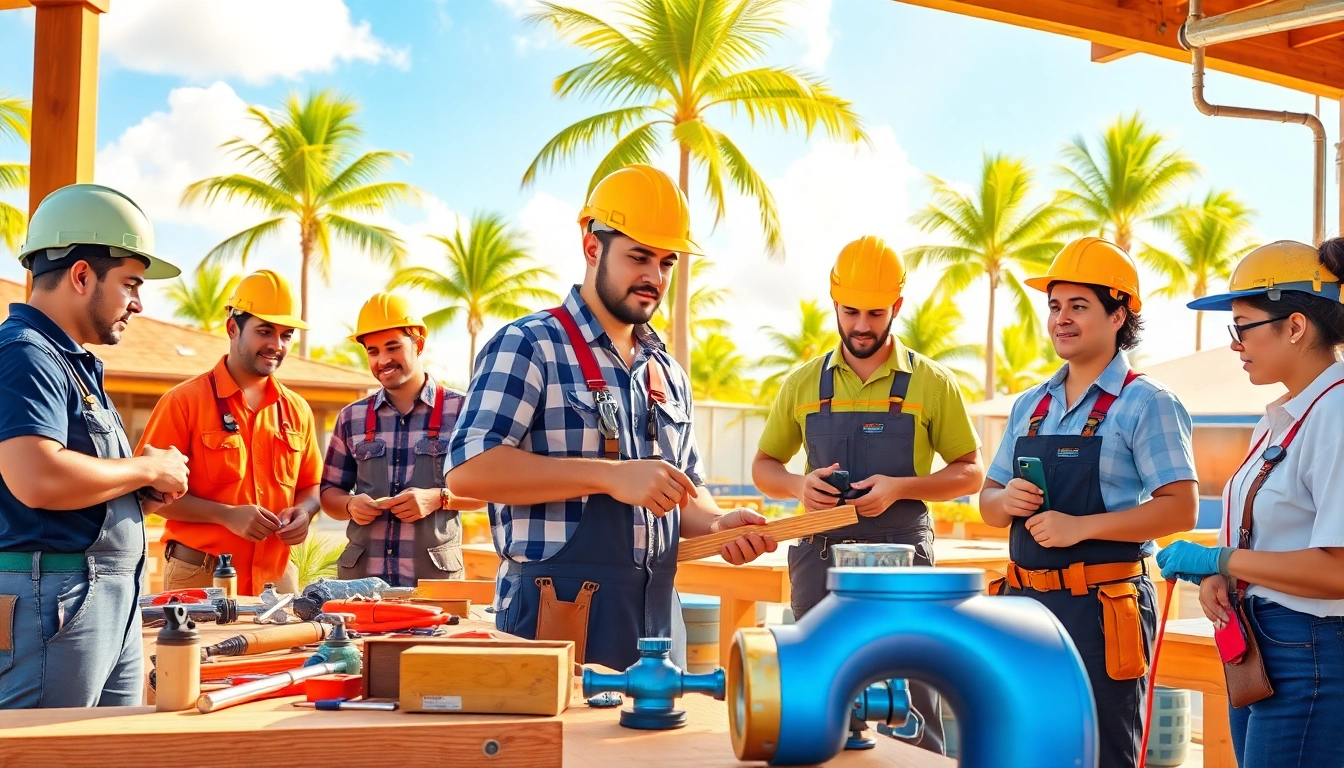
Understanding Hawaii Trade Schools
Defining Trade Schools and Their Importance
Trade schools serve as specialized educational institutions focusing on teaching students practical and employable skills in a specific trade or vocation. Unlike traditional colleges that may offer a broad-based education, trade schools emphasize hands-on training, often in fields such as construction, culinary arts, healthcare, and technology. In Hawaii, trade schools play a vital role in preparing the workforce for jobs that are essential to the state’s economy, from hospitality to construction trades. With a focus on career readiness, they equip students with both the technical skills and industry knowledge necessary to thrive in demanding job markets.
Types of Programs Offered at Hawaii Trade Schools
Hawaii's trade schools offer a variety of programs designed to align with local industry needs. Students can find diverse offerings, including:
- Construction Trades: Programs in carpentry, electrical work, plumbing, and more meet the high demand for skilled labor across the islands.
- Healthcare Training: Many institutions focus on fields such as nursing assistance and medical technology, preparing students for roles in Hawaii's robust healthcare system.
- Culinary Arts: Given Hawaii's thriving food scene, culinary programs equip students with skills required in kitchens ranging from local restaurants to luxury resorts.
- Automotive Technology: Training in automotive repair and maintenance ensures students can meet the needs of a growing sector.
Benefits of Attending a Trade School
Choosing a trade school can offer several distinct advantages:
- Time Efficiency: Most trade programs can be completed within a year or two, allowing students to enter the workforce quickly.
- Cost-Effective Education: Trade schools generally have lower tuition fees compared to traditional universities, making them more accessible for many students.
- High Employment Rates: Graduates often experience high job placement rates, given the focus on in-demand skills.
- Hands-On Learning: Students receive practical training that prepares them for real-world challenges in their chosen fields.
Choosing the Right Trade School in Hawaii
Key Factors to Consider When Selecting a School
When deciding on a trade school, prospective students should consider various factors that can influence their educational experience and career trajectory:
- Program Offerings: Ensure the school offers the specific program you are interested in and check for specializations within that field.
- Location: Consider the school's proximity to your home and the job market to minimize commuting time and expenses.
- Reputation: Research the school's reputation within the industry, including reviews from past students and employers.
- Networking Opportunities: Look for schools that provide connections with local businesses and internships, which can significantly enhance employability.
Accreditation and Program Quality
Accreditation is crucial in ensuring that the trade school meets certain educational standards. Attending an accredited institution ensures that the education you receive is valid and recognized by employers. Additionally, research the school’s program quality:
- Curriculum Relevance: Does the curriculum align with current industry needs and standards?
- Instructors' Credentials: Look for institutions that employ instructors with real-world experience in their fields.
- Student Support Services: Look for counseling services, job placement assistance, and tutoring to support your success.
Location and Accessibility for Students
Hawaii's geographical layout can impact accessibility to trade schools. Considerations include:
- Transportation: Evaluate available public transportation options or the need for personal vehicles.
- Campus Facilities: Visit the campus to assess facilities like labs, tools, and equipment, which are essential for trade training.
- Community Engagement: Schools that are actively engaged in the community often provide richer networking opportunities and job placements.
Funding Your Education in Hawaii Trade Schools
Financial Aid Options Available
Understanding how to finance your education is crucial for prospective students. Several options are available for those attending hawaii trade schools:
- Federal Financial Aid: Many trade schools participate in federal financial aid programs, including Pell Grants and direct loans.
- State Financial Assistance: Hawaii has specific programs to assist residents seeking vocational training, which may include grants or scholarships.
- Work-Study Programs: Some schools offer work-study opportunities that enable students to earn while they learn.
Scholarships and Grants for Trade Students
In addition to traditional financial aid, there are specialized scholarships available for students enrolled in trade programs. These can be offered by various sources:
- Nonprofit Organizations: Nonprofits often provide scholarships aimed at encouraging vocational education.
- Local Businesses: Local employers sometimes offer scholarships tied to specific fields emerging from community needs.
- Professional Associations: Many trade organizations provide scholarships to support the development of future professionals in their industry.
Budgeting for Your Trade School Experience
Beyond tuition, it’s essential to budget for other costs associated with trade school, including:
- Books and Supplies: Industry-standard tools and textbooks can be costly; ensure to include these in your budgeting.
- Living Expenses: Factor in accommodations, food, and transportation while attending school.
- Extracurricular Activities: Opportunities for networking and professional growth, while sometimes free, may have associated costs.
Outcomes and Career Opportunities Post-Trade School
Job Placement Rates and Employer Partnerships
One of the core advantages of attending a trade school is the often high job placement rates experienced by graduates. Institutions frequently form partnerships with local employers, ensuring students gain access to networking events, internships, and job openings. Consider the following:
- Internship Programs: Many schools offer internships that can lead to job offers upon graduation.
- Alumni Networks: Strong alumni networks can facilitate job connections and mentorship opportunities.
- Employer Endorsements: Research if local businesses actively hire and endorse graduates from specific trade schools.
Potential Career Paths After Graduation
Graduates of trade schools in Hawaii can find numerous career opportunities, including:
- Construction Manager: Overseeing building projects, ensuring they are completed on time and within budget.
- Medical Technician: Working in hospitals or clinics, carrying out tests and assisting in patient care.
- Chef or Culinary Manager: Managing kitchen staff and creating menu items in high-end restaurants or catering services.
- Automotive Technician: Diagnosing and repairing vehicles, often working with various automotive technologies.
Success Stories from Hawaii Trade School Graduates
Hearing success stories from alumni can be inspiring. Many graduates narrate how attending trade schools transformed their career paths and lives. From small businesses being launched to significant roles in established firms, alumni often illustrate the balance between practical training and workplace readiness. Here are general themes found in success narratives:
- Job Satisfaction: Alumni find fulfillment in their careers, noting the value of practical skills learned.
- Community Impact: Many graduates emphasize their roles in positively affecting local communities through their trades.
- Continued Learning: Graduates often convey a love for lifelong learning, leveraging their foundational skills to pursue further specialization.
The Future of Trade Schools in Hawaii
Emerging Trends in Vocational Training
Trade schools in Hawaii are evolving to meet a changing economy and workforce needs. Emerging trends include:
- Hybrid Learning Models: Increasing availability of online courses paired with in-person training offers flexibility to students.
- Focus on Green Jobs: Programs are increasingly focusing on sustainable practices, preparing students for jobs in renewable energy and sustainability.
- Apprenticeship Programs: Collaborations with local industries are leading to more apprenticeship opportunities that blend work and study.
Technology Integration in Trade Programs
As technology continues to advance, trade schools are incorporating the latest tools and methodologies into their programs. This includes:
- Simulation Training: Many programs are utilizing virtual simulations for real-world skill practice without the need for physical materials.
- Industry-Standard Software: Programs are teaching students the software tools they will encounter in their professional environments.
- Access to Digital Resources: Students are gaining access to online databases and resources that enhance their learning experience.
The Role of Trade Schools in Hawaii's Workforce Development
Trade schools are pivotal in addressing Hawaii's workforce development needs, addressing skill shortages in vital industries such as healthcare, construction, and technology. As the demand for skilled workers continues to grow, trade schools are stepping up as key players in equipping future generations. The impact can be summarized by the following aspects:
- Tailored Education: Programs are regularly adjusted to meet the demands of local employers and to reflect industry trends.
- Community Engagement: Trade schools are actively engaging with community organizations to promote the importance of vocational training.
- Advocating for Workforce Development: Many schools are advocating for policies that support vocational education and apprenticeship programs.