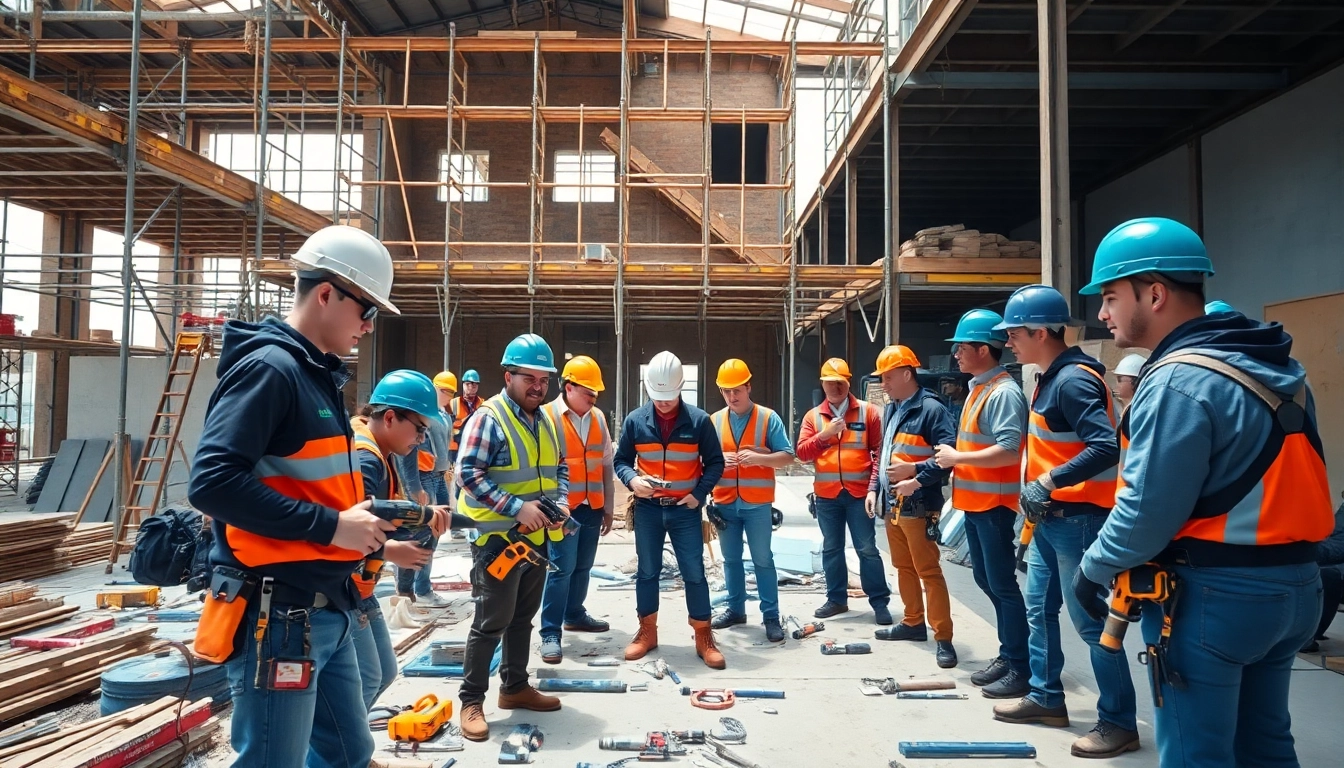
The Importance of DAS 142 in Construction Projects
Overview of DAS 142 and Its Purpose
The DAS 142, formally known as the Request for Dispatch of an Apprentice, serves a vital role within California's construction framework. This document facilitates the allocation of apprentices to contractors engaged in public works projects. By using the das 142 form, contractors can formally request the dispatch of apprentices from recognized apprenticeship committees within their specified trade or craft. This request not only indicates the need for labor but also ensures compliance with state laws governing apprenticeship training in the construction industry, ultimately supporting workforce development and quality assurance in public works projects.
Key Legislation Surrounding DAS 142
The legislative framework underpinning the DAS 142 is rooted in the California Labor Code. Notably, the law mandates that any public works contractor must engage a workforce that includes apprentices. This legal requirement aims to promote training and create skilled labor opportunities across diverse construction fields. The DAS 142 process comes alongside the DAS 140, which updates the Division of Apprenticeship Standards about upcoming projects. Together, these forms ensure adherence to California's prevailing wage laws, safeguarding the rights of both apprentices and contractors.
Consequences of Non-Compliance
Failing to submit the DAS 142 or any inaccuracies in its completion can lead to serious repercussions for contractors. Non-compliance may result in fines, penalties, or a suspension of contract eligibility. Furthermore, it undermines the objective of promoting apprenticeships and skilled labor in construction. While it is essential for contractors to meet strict deadlines for submitting these forms—typically at least three business days in advance of when apprentices are required—it's equally crucial that these documents are filled out accurately to avoid costly compliance issues and project delays.
How to Properly Complete the DAS 142 Form
Step-by-Step Guide to Filling Out DAS 142
Completing the DAS 142 form properly is paramount to ensure your request for apprentice dispatch is processed efficiently. Here’s a detailed step-by-step guide:
- Obtain the DAS 142 Form: You can download the form from authorized platforms to ensure you have the most current version.
- Identify Project Information: Clearly state your project name, location, and contract number. This information establishes the context for your request.
- Apprentice Information: Specify the number of apprentices needed, their respective apprenticeships, and the expected dates of dispatch. Being precise here aids in ensuring adequate staffing.
- Contractor Information: Fill out your information, including your name, business name, address, and contact details. Make sure this is accurate to facilitate communication.
- Submission Details: Indicate the name of the apprenticeship program from which you are requesting the apprentices. Finally, you may need the signature of the project supervisor or another qualified individual.
Common Mistakes to Avoid
Even with a straightforward form, it's easy to make mistakes. Here are some common errors to watch for when filling out the DAS 142:
- Inaccurate Information: Ensure all dates, contact information, and numbers are correct. Even minor mistakes can lead to processing delays.
- Insufficient Details: Failing to specify the exact number of apprentices or omitting the apprenticeship program can cause your request to be denied.
- Late Submissions: Remember that the request must be submitted at least three business days prior to the needed date; last-minute requests are unlikely to be honored.
Best Practices for Submission
To ensure a smooth submission process for the DAS 142, consider these best practices:
- Review and Double-Check: Validate that all sections of the form are complete, clear, and correct before submitting.
- Keep Copies: Retain a copy of the submitted DAS 142 form for your records. This serves as documentation should any issues arise.
- Early Submission: Aim to submit your request well ahead of the deadline. This provides a buffer for any unexpected issues that may occur during processing.
Understanding Apprenticeship Requirements: The Role of DAS 142
Eligibility Criteria for Apprentices
To qualify as an apprentice under the DAS framework, individuals must meet specific eligibility criteria. These typically include age, education, and physical capability, among others. Generally, a valid high school diploma or equivalent is required, along with proof of age—often participants must be at least 18 years old. Furthermore, apprentices must pass certain assessments to showcase their suitability for the intended trade.
Impact of DAS 142 on Workforce Planning
The DAS 142 plays a crucial role in strategic workforce planning for contractors. By accurately capturing the need for apprentices, contractors can effectively align their staffing needs with the project's requirements and timelines. This proactive approach not only ensures compliance with legal mandates but also fosters a continuous pipeline of skilled labor, thus enhancing project efficiency and quality.
Ensuring Proper Apprentice Dispatch
Properly utilizing the DAS 142 is essential for ensuring that apprentices are dispatched timely to work sites. This allows for optimal workforce integration and smooth operations on public works projects. Contractors who master this process often experience improved project outcomes, as the presence of trained apprentices contributes to productivity, cost-effectiveness, and adherence to safety standards.
Updates and Changes to DAS 142 Regulations for 2025
Recent Amendments to Consider
As regulations evolve, staying updated on changes regarding the DAS 142 is crucial for compliance. Amendments may include altered submission timelines, updated eligibility requirements for apprentices, or modifications in associated funding or training programs. Contractors should regularly monitor announcements from the Division of Apprenticeship Standards to remain informed about any such updates that could directly impact their operations.
How These Changes Affect Contractors
Changes in DAS 142 regulations can have wide-ranging effects on contractors. For example, tighter eligibility requirements could limit the pool of candidates available for apprenticeship programs, necessitating adjustments in recruitment strategies. Alternatively, streamlined submission procedures may reduce administrative burdens on contractors. Understanding these developments helps companies to be proactive in adapting their practices to maintain compliance and operational efficiency.
Future Trends in Apprenticeship Regulations
Looking ahead, it's anticipated that apprenticeship regulations will continue to evolve to meet the demands of the changing labor market. Future trends may include an emphasis on diversity and inclusion within apprenticeship programs, as well as increased partnerships between contractors and educational institutions to elevate training standards. These trends aim to enhance the accessibility and quality of apprenticeship training and ultimately bolster the construction workforce.
Case Studies: Successful Implementation of DAS 142
Examples from Leading Contractors
Numerous contractors have successfully implemented the DAS 142 process, showcasing its efficacy. For instance, one medium-sized contractor noted a 35% increase in apprentice retention rates following consistent compliance with the DAS 142 requirements. By streamlining their submission processes and ensuring timely requests for apprentices, they were able to cultivate a more stable workforce.
Lessons Learned from Field Experiences
Experiences from various projects suggest that effective communication between contractors and apprenticeship programs is essential. One case revealed that contractors who held regular meetings with apprenticeship coordinators were better able to predict needs and adjust their requests in line with project timelines. Such collaboration not only smooths the dispatch process but can also lead to better apprentice outcomes.
Long-Term Benefits of Complying with DAS 142
Ultimately, adherence to the DAS 142 fosters numerous long-term benefits for both contractors and apprentices. Among these are stronger labor relationships, a more competent workforce, and a heightened public image as a responsible employer. Additionally, complying with relevant guidelines can lead to a more productive and safer work environment, thus enhancing overall project success.