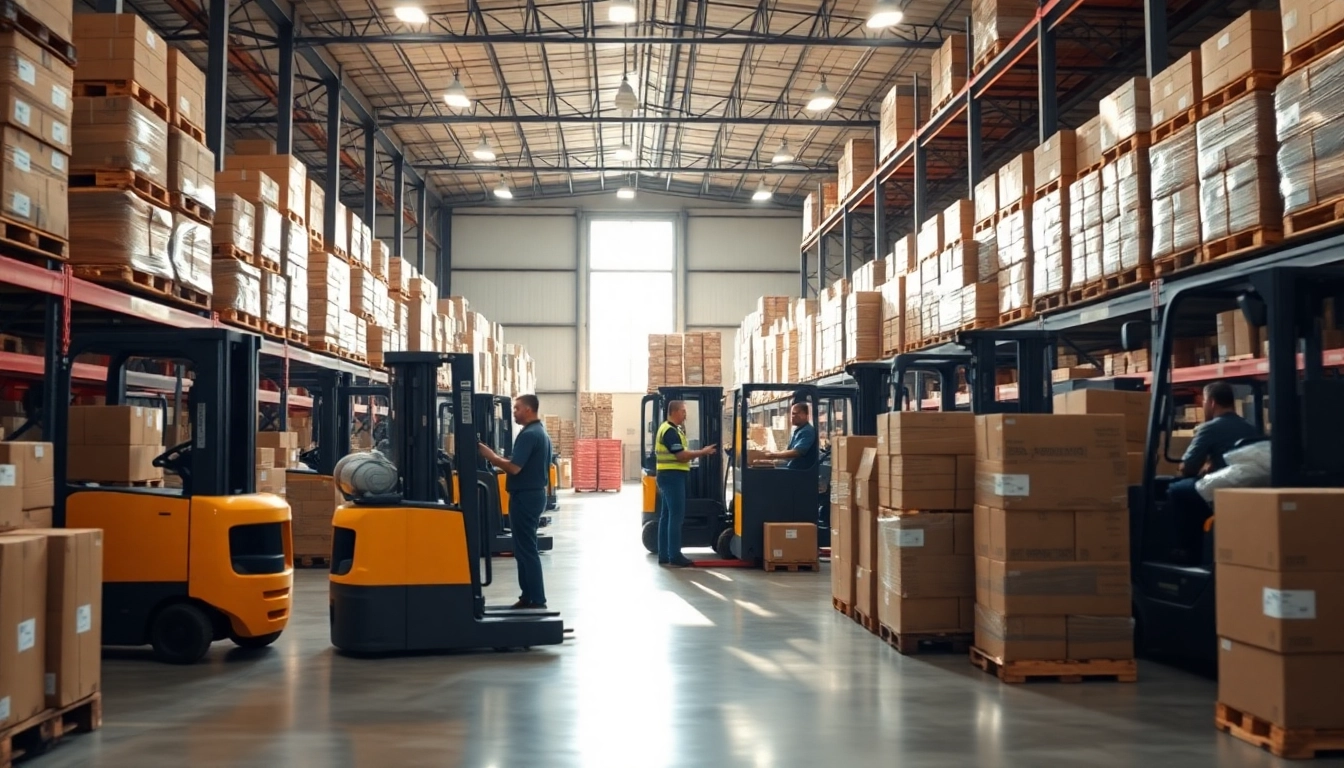
What is 3PL?
Defining 3PL and Its Importance
3PL, or third-party logistics, refers to the outsourcing of logistics and supply chain functions to an external provider. This integration enables businesses to manage their logistics operations more efficiently without having to invest heavily in infrastructure and management capabilities. As organizations focus on their core competencies, partnering with a 3PL provider becomes increasingly crucial for maintaining competitiveness in today's fast-evolving market. Understanding the intricacies of 3PL can transform how companies approach their supply chain management and distribution strategies.
Benefits of Utilizing 3PL Services
The benefits of utilizing 3PL services are numerous and can significantly impact an organization's efficiency and bottom line. Some key advantages include:
- Cost Savings: By outsourcing logistics, companies can save on operational costs associated with inventory, warehousing, and transportation.
- Scalability: 3PL providers can adjust their services based on the changing needs of a business, allowing for optimal resource allocation.
- Expertise: Partnering with a 3PL gives access to specialists in logistics, ensuring businesses are up-to-date with the latest practices and technologies.
- Focus on Core Business: Companies can direct their energies towards primary business functions, relying on the 3PL provider for logistics complexities.
- Improved Service Levels: Many 3PLs utilize advanced technology and infrastructures, resulting in faster and more efficient delivery and customer satisfaction.
The Role of 3PL in Supply Chain Management
3PL providers serve as integral components of the supply chain, bridging the gap between manufacturers, distributors, and customers. They handle various functions, including transportation management, warehousing, inventory control, order fulfillment, and even value-added services such as packaging and assembly. Leveraging their resources, knowledge, and technology can lead to smoother operations, reduced lead times, and enhanced flexibility. In an age where consumer demands and market dynamics evolve rapidly, a robust partnership with a 3PL can enable businesses to adapt and grow responsively.
Types of 3PL Services
Standard 3PL Services Explained
Standard 3PL services encompass a range of essential logistics functions. These typically include:
- Transportation: Managing the movement of goods from one location to another, utilizing various modes such as trucks, rail, air, and sea.
- Warehousing: Providing storage solutions for inventory management, ensuring efficient space utilization and organized product distribution.
- Order Fulfillment: Handling order processing, picking, packing, and shipping products directly to customers or retail locations.
- Inventory Management: Continuously monitoring stock levels, managing reorders, and ensuring optimal inventory turns.
Service Provider Models in 3PL
3PL providers can adopt various service models depending on their capabilities and client needs. Common models include:
- Asset-based 3PLs: These companies own their own transportation and warehousing facilities, allowing for greater control over logistics operations.
- Non-asset-based 3PLs: Instead of owning vehicles or warehouses, these providers utilize a network of partners to fulfill logistics requirements, often employing technology to coordinate services efficiently.
- Lean 3PLs: Emphasizing efficiency and cost-effectiveness, these providers focus on minimizing waste and optimizing processes throughout the supply chain.
- High-tech 3PLs: Utilizing advanced technology and data analytics, these companies provide cutting-edge solutions for demand forecasting and real-time tracking of shipments.
Value-Added Services in 3PL
In addition to standard logistics operations, many 3PL providers offer value-added services designed to enhance the overall customer experience. These may include:
- Kitting and Assembly: Combining multiple products or components into a single package to streamline the fulfillment process.
- Reverse Logistics: Managing returns and exchanges effectively to minimize losses and maximize recovery value.
- Custom Packaging: Creating tailored packaging solutions to meet specific customer requirements and protect products during transit.
- Consulting Services: Offering expertise on optimizing supply chain strategies and logistics operations tailored to a client's unique needs.
Selecting the Right 3PL Partner
Key Considerations When Choosing a 3PL
Selecting the right 3PL partner is essential for achieving logistics success. Businesses should consider several factors when making their choice:
- Industry Expertise: Ensure the 3PL has experience in your specific industry, as existing knowledge can lead to more tailored services and solutions.
- Scalability and Flexibility: The chosen provider should be able to adapt to your changing needs as your business grows or faces fluctuations in demand.
- Technological Capabilities: Investigate the provider’s technology stack and ensure they leverage data analytics, real-time tracking, and automation.
- Service Quality: Analyze their customer service and responsiveness, as these factors can significantly affect your operational success.
Evaluating 3PL Capabilities
In-depth evaluation of a 3PL's capabilities can help businesses make informed decisions. This evaluation might involve:
- Site Visits: Visiting facilities can provide insights into operational efficiency, warehouse organization, and equipment quality.
- Performance Metrics: Reviewing key performance indicators (KPIs) such as order accuracy, on-time delivery rates, and inventory turnover can gauge reliability.
- Client References: Engaging with current or past clients can yield valuable feedback on the provider's strengths and weaknesses.
- Security and Compliance: Ensuring that the 3PL adheres to industry regulations and best practices for data security and compliance measures is critical.
Building a Strong Relationship with Your 3PL
Establishing a successful long-term relationship with a 3PL provider hinges on collaboration, communication, and mutual trust:
- Frequent Communication: Engage in regular discussions regarding service performance, operational changes, and strategic initiatives.
- Setting Clear Expectations: Clearly articulate your goals, requirements, and benchmarks to ensure alignment between parties.
- Joint Problem Solving: Approach challenges collaboratively, fostering a partnership that prioritizes finding solutions over placing blame.
- Continuous Improvement: Regularly review processes and outcomes, allowing for adjustments and enhancements to benefit both parties.
Challenges in 3PL Management
Common Issues in Third-Party Logistics
Despite their advantages, 3PL partnerships can lead to various challenges that organizations should be aware of:
- Loss of Control: Outsourcing logistics to a 3PL can result in a perceived lack of control over supply chain processes.
- Cultural Misalignment: Differences in company culture can lead to misunderstandings and hinder effective communication.
- Data Sharing Concerns: Sharing sensitive data can lead to privacy and security issues if not properly managed.
- Service Quality Variations: Inconsistent service levels and performance can impact customer satisfaction and business reputation.
Mitigating Risks with 3PL
To mitigate these risks, companies should implement proactive strategies:
- Regular Reviews: Conduct frequent evaluations of the 3PL's performance against established KPIs and expectations.
- Collaboration on Security: Work with the 3PL to establish strong data-sharing protocols and security practices.
- Comprehensive Contracts: Ensure contracts outline clear responsibilities, expectations, and dispute resolution processes.
- Training and Onboarding: Provide training for both your staff and the 3PL's team to ensure alignment on processes and expectations.
Best Practices for Effective 3PL Management
Effective management of a 3PL partnership requires adherence to best practices, including:
- Establishing KPIs: Use established metrics to monitor and measure performance effectively.
- Maintaining Open Communication: Foster an environment where both parties feel comfortable sharing feedback and reporting issues.
- Continuous Training: Invest in ongoing training programs for both parties to keep skills and knowledge up to date.
- Conducting Periodic Audits: Regularly evaluate logistics processes and financial arrangements to identify areas for improvement.
The Future of 3PL Services
Technological Innovations in 3PL
Technology is one of the primary drivers shaping the future of 3PL services. Emerging technologies currently impacting the industry include:
- AI and Machine Learning: These technologies help automate complex logistics processes and improve demand forecasting accuracy.
- Internet of Things (IoT): IoT devices enable real-time tracking of shipments and inventory, enhancing transparency and operational efficiency.
- Blockchain: Blockchain technology offers secure and transparent ways to manage transactions and trace product origins.
- Robotics and Automation: The use of robotics in warehouses enhances productivity and accuracy during order fulfillment processes.
Trends Shaping the Future of 3PL
Several trends are influencing the evolution of 3PL services, including:
- Sustainability: Increasing environmental awareness is leading 3PL providers to adopt more sustainable practices, such as greener packaging and optimizing fuel consumption.
- Consumer Expectations: Rising customer expectations for quick deliveries and exceptional service are driving 3PLs to enhance their service offerings.
- Globalization: As economies become more interconnected, 3PL providers are expanding their international networks to accommodate growing demand.
- Customization: More businesses are seeking tailored logistics solutions that specifically cater to their unique requirements.
Preparing for Changes in 3PL Landscape
To thrive in this evolving landscape, businesses must be proactive in preparing for changes by:
- Investing in Technology: Stay current with technological advancements that can enhance supply chain efficiency.
- Fostering Strategic Partnerships: Collaborate with forward-thinking 3PLs that are innovating and adapting to market changes.
- Adapting Marketing Strategies: Revisit marketing approaches and ensure alignment with current consumer demands and logistics capabilities.
- Continuous Learning: Stay informed about industry news, trends, and best practices through ongoing education and training programs.