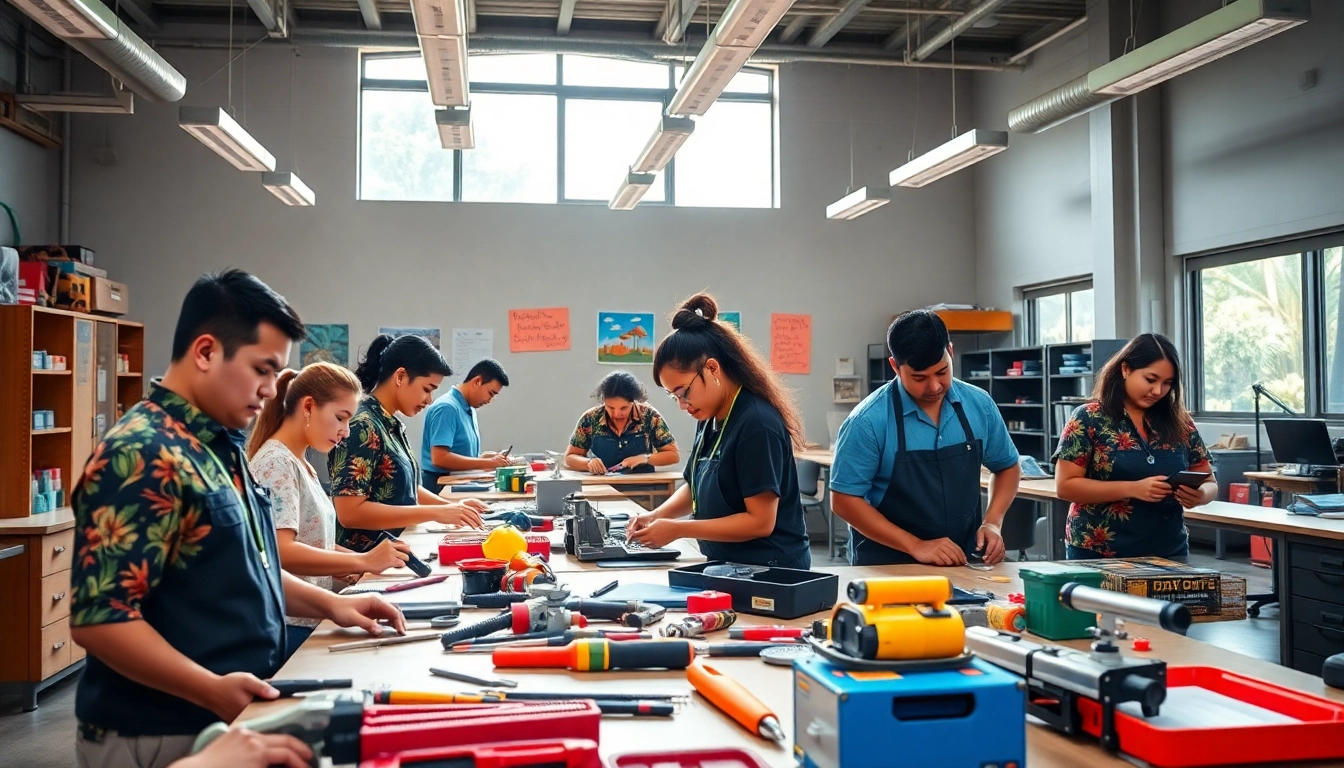
Understanding Trade Schools in Hawaii
In today's rapidly changing job market, education plays a pivotal role in career success. Among the various educational paths, trade schools offer a unique approach by equipping students with specialized skills that are highly sought after in various industries. If you're exploring options to enhance your career, consider the advantages of trade schools in Hawaii. These institutions provide practical training that can lead to immediate job opportunities while minimizing the associated costs of traditional four-year colleges.
What Are Trade Schools?
Trade schools, also known as vocational or technical schools, focus on providing students with hands-on training in specific trades or occupations. Unlike traditional educational institutions that emphasize academic coursework, trade schools prioritize practical skills applicable in real-world jobs. Programs may range from healthcare and information technology to skilled trades such as plumbing, electrical work, and culinary arts. Many trade schools offer diploma, certificate, and associate degree programs, all geared towards preparing students for immediate employment upon graduation.
Benefits of Attending Trade Schools in Hawaii
Choosing a trade school in Hawaii comes with numerous benefits that can enhance both your educational experience and career prospects:
- Quick Entry into the Workforce: Most trade school programs can be completed in less than two years, allowing graduates to enter the job market quickly.
- Hands-On Training: Programs are designed to provide practical experience, often including simulations, labs, and apprenticeships to ensure students are job-ready.
- Career-Specific Focus: Unlike broader college degrees, trade schools hone in on the skills needed for specific careers, making graduates more attractive to employers.
- Affordability: Trade schools typically have lower tuition costs compared to traditional colleges, making it a more economical option for many students.
- Diverse Career Paths: Hawaii's trade schools offer a variety of programs, catering to different interests and industries, increasing the chances of finding a rewarding career.
Popular Programs Offered at Trade Schools
In Hawaii, trade schools provide a wide array of programs that reflect the local economy's needs and employment trends. Some of the most popular programs include:
- Healthcare Programs: Training for roles such as nursing assistants, medical technicians, and dental hygienists, addressing the high demand for healthcare professionals.
- Construction and Skilled Trades: Programs include electrical work, plumbing, HVAC, carpentry, and welding, all of which have solid job prospects.
- Culinary Arts: Instruction in food preparation, baking, and restaurant management, appealing to Hawaii's vibrant hospitality industry.
- Aviation and Maritime Programs: Training for aviation mechanics, aircraft pilots, and maritime operations, taking advantage of Hawaii's geographic location.
- Information Technology: Courses on computer networking, cybersecurity, and software development that are vital in today's technology-driven job market.
How to Choose the Right Trade School
With numerous options available, selecting the right trade school can be daunting. Here’s a comprehensive guide to help you make an informed decision:
Key Factors to Consider When Selecting a School
Before finalizing your choice, consider the following factors:
- Location: Proximity to home can be a significant factor, especially for individuals balancing work and school.
- Reputation: Research the institution's reputation by reading reviews from alumni and current students.
- Facilities: Visit the campus if possible, or explore virtual tours, to assess the quality of equipment and resources available.
- Program Length: Understand the duration of your desired program, as more extended training may not be suitable for everyone.
- Job Placement Services: Schools offering career support post-graduation can significantly aid in job searches.
Understanding Accreditation and Licensing
When choosing a trade school, ensuring that it is accredited or licensed by the appropriate regulatory bodies is crucial. Accreditation ensures that the school meets the educational standards necessary for quality training, while licensing guarantees that it operates legally. Some recognized organizations include the Accrediting Commission of Career Schools and Colleges (ACCSC) and the Council on Occupational Education (COE), which assess and certify programs offered by trade schools.
Researching Program Outcomes
Before making a decision, scrutinize the program outcomes of potential schools. Important statistics to consider include:
- Graduation Rates: A higher graduation rate generally indicates that students succeed in completing their programs.
- Employment Rates: Look for schools that provide data on their graduates' job placement rates and the average time taken to secure employment.
- Industry Partnerships: Schools with strong ties to local employers may facilitate internships and job placements, greatly enhancing your chances of employment post-graduation.
Financial Aspects of Trade Schools in Hawaii
Before committing to a trade school, it’s essential to understand the financial responsibilities and available support options. Here’s a detailed overview:
Tuition Costs and Financial Aid Options
Tuition costs for trade schools vary widely based on program length and specialization. However, trade schools generally offer a more budget-friendly alternative compared to traditional colleges. To help alleviate costs, numerous financial aid options are available:
- Federal Financial Aid: Many trade schools qualify for federal financial aid programs, including Pell Grants, which are need-based.
- State Grants: Hawaii residents may qualify for state grants designed to support vocational education.
- Payment Plans: Some schools offer flexible payment plans that allow students to pay tuition in installments.
Scholarships and Grants Available
Scholarships can dramatically lessen the financial burden of attending trade schools. Many local organizations offer scholarships specifically aimed at aspiring students in vocational training. Research options thoroughly, considering:
- Merit-Based Scholarships: Offered based on academic performance, skills, or other achievements.
- Need-Based Scholarships: Targeting students with demonstrated financial need.
- Industry-Specific Scholarships: Sponsored by companies, unions, or associations encouraging careers in specific fields.
Budgeting for Trade School Expenses
When budgeting for trade school, consider all potential expenses, including textbooks, tools, uniforms, and transportation. Create a detailed budget plan that takes into account:
- Tuition: The primary cost that need to be factored in.
- Living Expenses: Rent, food, and other necessities if you’re studying away from home.
- Equipment and Supplies: Certain trades require tools or materials that can add to your costs.
Career Opportunities After Trade School
Graduating from a trade school can open numerous doors in various industries. However, to maximize your path to success, it helps to understand the landscape of available opportunities:
Job Placement Rates and Support Services
Many trade schools in Hawaii emphasize job placement by offering dedicated career services. These services can significantly enhance your chances of finding employment through:
- Job Fairs: Schools often host job fairs with local employers looking to hire graduates.
- Resume Workshops: Guidance on crafting effective resumes and cover letters tailored to prospective employers.
- Interview Preparation: Mock interviews can provide invaluable practice before actual job interviews.
High-Demand Trades and Projected Salaries
Understanding the high-demand trades in Hawaii can guide your educational path. Fields such as healthcare, skilled trades, and technology offer promising salaries. For instance:
- Registered nurses can earn well into the six-figure range with experience.
- Electricians and plumbers enjoy competitive hourly wages, particularly when unionized.
- Culinary professionals can thrive in Hawaii's booming tourist industry with the right skillset.
Networking and Community Connections
Building connections within your industry can dramatically affect your job prospects. Engaging with instructors, industry professionals, and fellow students during your trade school experience can lead to valuable networking opportunities. Additionally, participating in local trade-related events can enhance your connections and visibility within the community.
FAQs About Trade Schools in Hawaii
1. What types of programs are available at trade schools in Hawaii?
Trade schools in Hawaii offer diverse programs including healthcare, automotive, culinary arts, and construction trades, providing hands-on training for in-demand careers.
2. Are trade schools recognized in Hawaii?
Yes, trade schools in Hawaii are recognized and regulated by local authorities to ensure they meet educational standards and provide quality training for students.
3. How long do programs at trade schools usually last?
Most trade school programs in Hawaii can be completed within 6 months to 2 years, depending on the complexity of the trade and course load.
4. Is financial aid available for trade schools in Hawaii?
Yes, students can access various financial aid options, including state and federal grants, scholarships, and tuition assistance programs to help cover costs.
5. What are the job prospects after graduating from trade schools?
Graduates of trade schools in Hawaii typically enjoy strong job prospects, especially in fields with labor shortages, such as healthcare and skilled trades.