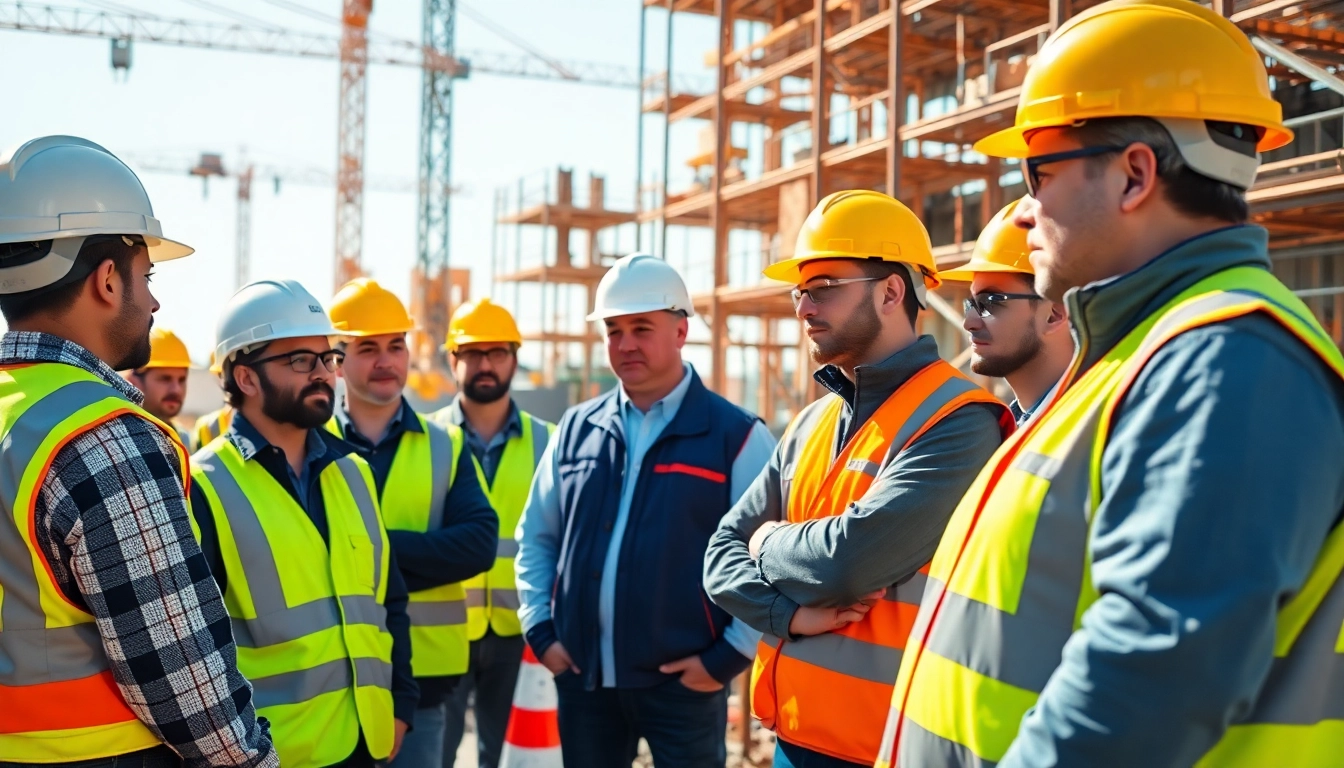
Understanding the Importance of Construction Safety Training
Construction safety training is critical for both the well-being of workers and the success of construction projects. As the backbone of the construction industry, training programs aim to educate workers about potential hazards, teach them how to react in emergencies, and ultimately cultivate a proactive safety culture on site. Neglecting safety protocols can lead to devastating accidents, making it essential for employers and workers alike to prioritize comprehensive construction safety training.
Defining Construction Safety Training
Construction safety training encompasses educational programs designed to equip workers with the knowledge and skills necessary to ensure safety on construction sites. This can include training on the proper use of personal protective equipment (PPE), the identification of hazards, and the implementation of safety protocols. Effective training goes beyond basic knowledge; it fosters a mindset of safety that permeates every aspect of the job, empowering workers to contribute to a safer working environment.
Legal Requirements and Industry Standards
Construction safety training is not only a best practice; it is often a legal requirement. Various regulations, such as the Occupational Safety and Health Administration (OSHA) standards, mandate specific training for workers based on their roles. Understanding these legal requirements can help organizations avoid penalties and foster a culture of compliance. This legal foundation reinforces the importance of ongoing training as an integral part of workplace safety.
Consequences of Neglecting Safety Protocols
Neglecting safety protocols can have dire consequences. Workers may face injuries that result in lost wages, medical expenses, and lasting disabilities. Beyond the human cost, companies can suffer substantial financial losses, including fines, legal fees, and decreased productivity. The reputational damage of a safety incident can also impact future business opportunities. Therefore, it is clear that a commitment to safety is not merely a regulatory obligation but a crucial investment in both employee welfare and organizational integrity.
Key Components of Effective Construction Safety Training
Essential Topics Covered in Training Programs
Effective construction safety training programs encompass a variety of topics that address common hazards and safety protocols. Some essential topics include:
- Hazard Communication: Training on recognizing and communicating workplace hazards.
- Personal Protective Equipment (PPE): Proper use and maintenance of PPE such as helmets, gloves, and harnesses.
- Fall Protection: Strategies and equipment for preventing falls from heights.
- Scaffold Safety: Proper usage guidelines for scaffolds to ensure stability and safety.
- Electrical Safety: Recognizing electrical hazards and implementing safety measures.
- Environmental Safety: Awareness of environmental factors such as weather conditions and hazardous materials.
Methods of Instruction: Classroom vs Online
The delivery method of training can significantly impact its effectiveness. Traditional classroom training allows for face-to-face interaction and immediate feedback; however, it may not always fit the schedules of busy construction workers. On the other hand, online training offers flexibility and accessibility, making it possible for workers to learn at their own pace. Combining both methods—the blended learning approach—can maximize engagement and knowledge retention.
Certification and Continuing Education Opportunities
Certification serves as a tangible acknowledgment of an individual’s training and expertise in safety. Programs accredited by recognized organizations not only enhance credibility but also ensure that workers are familiar with the latest safety regulations and practices. Furthermore, continuing education opportunities enable workers to stay current with evolving standards and technologies, thus reinforcing the commitment to safety in the construction industry.
Identifying Common Hazards in Construction Environments
Physical Hazards and Their Mitigation Strategies
Physical hazards on construction sites are varied and can lead to serious accidents if not properly addressed. These include:
- Slips, Trips, and Falls: Implementing effective housekeeping practices and ensuring proper footwear can mitigate these common incidents.
- Machinery Injuries: Regular maintenance, training on equipment use, and stringent safety protocols help reduce risks associated with machinery.
- Exposure to Harmful Substances: Comprehensive training on handling hazardous materials can prevent accidental exposure and health issues.
- Noise-Induced Hearing Loss: Providing hearing protection and monitoring noise levels can safeguard workers' hearing.
Psycho-social Hazards in the Workplace
Psycho-social hazards, such as stress and harassment, can significantly impact worker safety and mental health. Providing training on workplace behavior, stress management, and fostering an inclusive culture is crucial. Organizations should implement open communication policies and access to mental health resources, allowing workers to voice their concerns and receive necessary support.
Emergency Situations and Response Protocols
No construction site is immune to emergencies, be it accidents, natural disasters, or equipment failures. A well-defined emergency response plan, coupled with regular drills, ensures that all workers know their roles in a crisis. Training should cover evacuation procedures, first aid, and crisis communication to prepare workers for a broad spectrum of potential emergencies.
Implementing a Culture of Safety on Construction Sites
Engaging Workers in Safety Practices
Building a safety-minded culture starts with engaging workers at all levels. Encouraging participation in safety audits, feedback on training programs, and open discussions about safety concerns empowers workers to take ownership of their safety. Incentive programs that reward safety compliance can also boost morale and motivate workers to focus on responsible practices.
Leadership's Role in Promoting Safety
Leadership plays a pivotal role in creating a safety culture. By prioritizing safety in decision-making, allocating resources towards training, and visibly participating in safety initiatives, management demonstrates its commitment to worker safety. Leaders should also recognize and celebrate safety achievements, fostering an environment where safety is valued and prioritized.
Continuous Monitoring and Improvement
Safety is not a one-time effort; it requires ongoing dedication. Implementing continuous monitoring through safety audits, incident reporting, and performance metrics helps identify areas for improvement. Feedback loops, where workers can share experiences and suggest enhancements, contribute to refining training and safety processes. Establishing a mindset of continuous improvement ensures that safety practices adapt to new challenges and circumstances.
Measuring the Effectiveness of Construction Safety Training
Assessing Knowledge Retention and Application
To gauge the effectiveness of safety training, organizations must assess both knowledge retention and practical application. Quizzes, on-the-job assessments, and scenario-based evaluations can provide insight into how well workers understand safety protocols. Regular follow-ups and refresher courses can help reinforce knowledge and address gaps.
Key Performance Indicators for Safety Programs
Establishing key performance indicators (KPIs) for safety programs enables organizations to measure outcomes systematically. Common KPIs may include:
- Incident rates (number of accidents per hours worked)
- Near-miss reporting rates
- Training completion rates
- Compliance with safety audits
- Workers' perceptions of safety culture
Feedback Mechanisms for Training Enhancement
Collecting feedback from trainees provides invaluable insights into training effectiveness. Surveys, interviews, and focus groups can reveal how training is perceived and highlight areas for improvement. Actively addressing feedback not only enhances training content but also demonstrates a commitment to continuous improvement and engagement with worker safety concerns.