Understanding the Role of Education in Modern Society
Education is more than just a pathway to a job; it is the foundation upon which individuals build their lives and communities grow. It provides the skills and knowledge necessary to navigate a rapidly changing world, fostering critical thinking, creativity, and collaboration. When we delve deeper into the multifaceted role of education, we can see its impact not only on individuals but also on society as a whole. Education serves as a catalyst that drives personal, economic, and social development.
The Importance of Education for Personal Development
Education equips individuals with essential life skills. From early childhood through adulthood, it shapes character, instills values, and encourages curiosity. It fosters creativity, enabling individuals to express themselves and solve problems effectively.
A well-rounded education enhances self-esteem and builds confidence. Individuals who pursue education often find a sense of purpose and direction in their lives. Importantly, education promotes emotional intelligence, which is the ability to understand and manage one’s emotions and the emotions of others. This skill is vital for forming healthy relationships and effectively collaborating in various environments.
How Education Influences Economic Growth
Investing in education has long been recognized as one of the most effective strategies for fostering economic growth. A well-educated workforce is essential for enhancing productivity and innovation, directly contributing to GDP growth. Countries that prioritize education often see significant improvements in their overall economic performance.
Education improves labor market outcomes for individuals, leading to higher wages and better job prospects. Furthermore, it prepares workers for skilled professions in various sectors, which is crucial as economies evolve and require new competencies. For instance, STEM (Science, Technology, Engineering, and Mathematics) education has become increasingly important in recent years, equipping individuals with skills that are in high demand.
The Relationship Between Education and Social Mobility
Education plays a pivotal role in facilitating social mobility. It provides a mechanism for individuals from disadvantaged backgrounds to rise above their circumstances and achieve their potential. Access to quality education is a critical determinant of social mobility, allowing students to escape cycles of poverty.
Effective educational policies, including scholarships, mentorship programs, and community support, can significantly enhance opportunities for low-income students. Moreover, education encourages inclusivity, enabling diverse perspectives to thrive and contributing to a more equitable society.
Key Challenges Facing the Education System Today
Addressing Educational Inequities and Access
Despite the recognized benefits of education, significant disparities remain in access to quality education. Economic inequalities often translate to educational inequalities, where low-income families may not have the resources to provide their children with adequate learning opportunities. This gap can perpetuate cycles of poverty and limit social mobility.
Moreover, geographic location often plays a crucial role in the quality of education received. Rural and underfunded urban schools frequently lack the necessary resources, experienced teachers, and adequate facilities, placing their students at a disadvantage. Closing this gap requires comprehensive policies that address funding disparities and promote equitable access to quality education for all students.
Adapting to Technological Advancements in Education
The rapid evolution of technology poses both opportunities and challenges for the education system. While technological advancements can enhance learning experiences and access to educational resources, they also require educators to adapt to new teaching methods and tools. This shift can create gaps in teacher preparedness, where some educators may struggle to integrate technology effectively into their classrooms.
To counter this challenge, professional development programs should focus on equipping educators with the skills necessary to utilize technology strategically. Additionally, schools must invest in reliable technology infrastructure to ensure all students have access to digital learning platforms and resources, mitigating the risk of a digital divide.
Combating Teacher Shortages and Retention Issues
Teacher shortages have become a pressing issue, particularly in high-needs areas. Factors contributing to this crisis include low salaries, high workloads, and inadequate support, leading to high levels of stress and burnout among educators. A lack of experienced teachers can negatively impact student outcomes, as novice educators may not possess the skills or experience necessary to facilitate effective learning.
Addressing this issue involves developing comprehensive recruitment and retention strategies, including competitive compensation packages, mentorship programs, and professional growth opportunities. By investing in teachers and creating supportive work environments, schools can improve teacher satisfaction and ultimately enhance student learning.
Innovative Teaching Methods to Improve Education
Integrating Technology in the Classroom
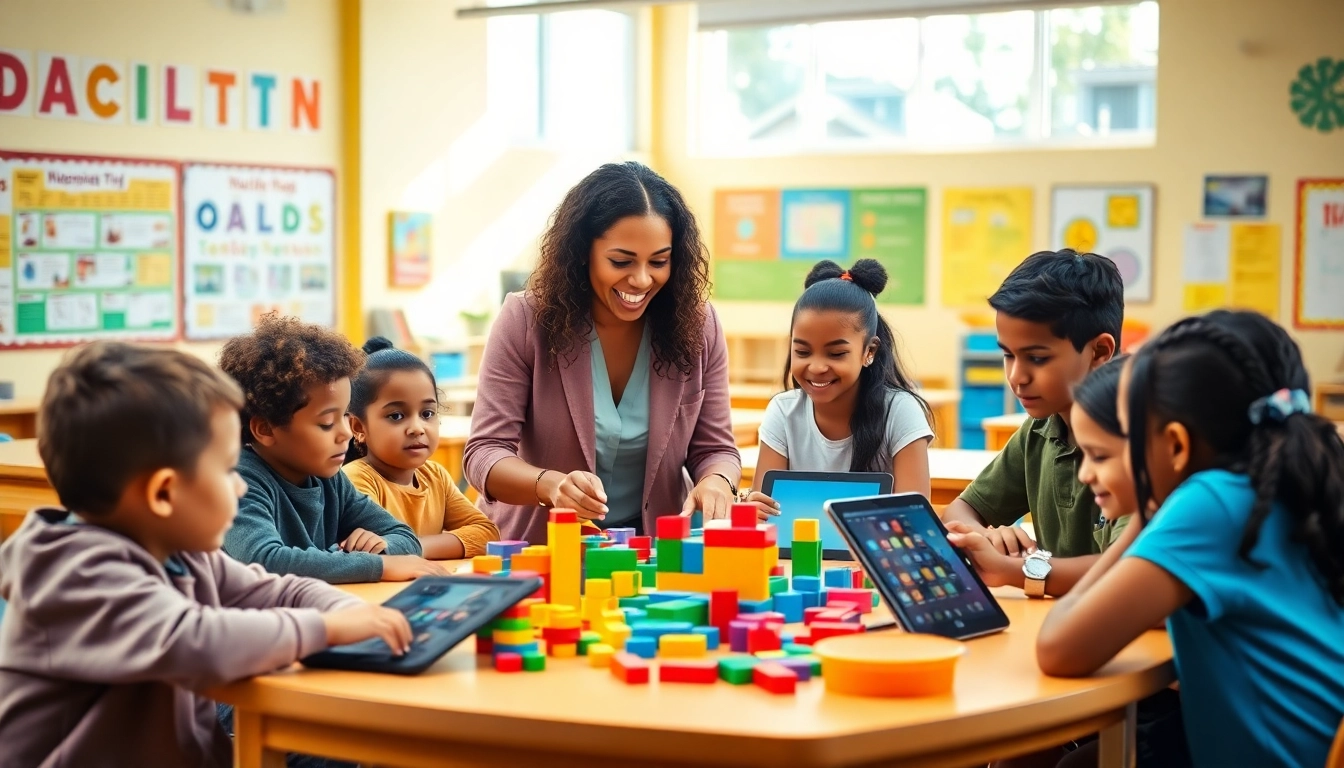
Utilizing technology in the classroom can enhance the learning experience by making it more interactive and engaging. Tools such as interactive whiteboards, educational apps, and virtual learning environments allow for a more personalized approach to education. Furthermore, technology facilitates access to a wealth of information and resources, empowering students to take charge of their learning.
However, the successful integration of technology depends on thoughtful planning and implementation. Educators should focus on selecting appropriate tools that align with educational goals and learning outcomes. Additionally, it’s crucial to provide training for both teachers and students to ensure effective use of technology in the learning process.
Project-Based Learning: A Hands-On Approach
Project-based learning (PBL) is an instructional methodology that encourages students to explore real-world problems and challenges. By engaging in meaningful projects, students develop critical thinking, collaboration, and communication skills. This hands-on approach not only enhances learning outcomes but also fosters a deeper understanding of the subject matter.
Effective PBL requires careful planning to ensure that projects are aligned with curricular standards and learning objectives. Educators should provide guidance while allowing students to take ownership of their learning. Assessment methods should also reflect the complexity of projects, focusing on the process as well as the final product.
Culturally Responsive Teaching Practices
Culturally responsive teaching recognizes the importance of including students' cultural references in all aspects of learning. This approach helps to create a more inclusive environment where students feel valued and respected. By embracing diversity, educators can foster a sense of belonging and increase student engagement.
To implement culturally responsive practices, educators should seek to understand the cultural backgrounds of their students and design curriculum and instruction that reflects and honors these experiences. Additionally, promoting open dialogue about cultural differences can facilitate understanding and acceptance among students, cultivating an environment where all learners thrive.
Measuring Success in Education: Performance Metrics
Standardized Testing vs. Holistic Assessments
The debate surrounding education assessments often centers around standardized testing versus holistic assessments. Standardized tests are designed to measure student performance against a uniform set of criteria; however, they can fail to account for diverse learning styles and backgrounds. Critics argue that a narrow focus on test scores may detract from essential skills such as creativity and critical thinking.
In contrast, holistic assessments consider multiple facets of student learning and development, incorporating portfolios, presentations, and peer reviews. While they provide a more comprehensive view of student capabilities, implementing such assessments requires careful consideration of resources and training for educators.
The Role of Feedback in Student Improvement
Feedback is an essential component of the learning process. Constructive feedback helps students identify their strengths and areas for improvement, allowing them to take actionable steps toward enhancing their skills. Timely and specific feedback fosters a growth mindset, encouraging students to embrace challenges and learn from their mistakes.
Educators should integrate feedback mechanisms into their teaching practices, utilizing formative assessments and regular check-ins to monitor student progress. Developing a culture of constructive feedback empowers students to become self-directed learners, ultimately leading to better educational outcomes.
Utilizing Data to Enhance Educational Outcomes
Data-driven decision-making has the potential to transform educational practices. By analyzing student performance, attendance, and engagement metrics, educators can identify trends and develop targeted interventions. Data can inform instructional strategies, resource allocation, and curriculum development, ultimately enhancing student learning experiences.
However, it is crucial to approach data with an understanding of its limitations. Educators should consider the context in which data is collected and the factors influencing student performance. Integrating qualitative insights from students and teachers with quantitative data can provide a more nuanced view, fostering a comprehensive approach to education.
Future Trends in Education: What to Expect
Emphasizing Lifelong Learning in Education
As societies continue to evolve, the concept of lifelong learning is becoming increasingly important. Lifelong learning refers to the ongoing, voluntary, and self-motivated pursuit of knowledge for personal or professional development. This approach encourages individuals to adapt to changing job markets and societal needs.
Educational institutions play a vital role in fostering a culture of lifelong learning by providing opportunities for adult education, vocational training, and skill development. By promoting flexible learning pathways, institutions can ensure that education remains relevant and accessible to all, empowering individuals to thrive in today's dynamic world.
Global Perspectives on Education Reform
The movement for education reform is a global phenomenon, reflecting diverse cultural, social, and economic contexts. Countries around the world are exploring innovative strategies to improve their education systems, focusing on issues such as access, quality, and equity.
By examining successful models from various nations, educational policymakers can draw valuable insights and best practices to inform their reforms. Collaborating internationally and sharing knowledge can enhance educational systems worldwide, ultimately benefiting all learners.
Preparing Students for a Changing Job Market
The job market is constantly evolving, driven by technological advancements and globalization. As such, education must adapt to prepare students for future careers that are often hard to predict. Emphasizing skills such as adaptability, critical thinking, collaboration, and digital literacy is essential for ensuring students are equipped for success.
Educational institutions can approach this challenge by developing curricula that emphasize interdisciplinary learning and real-world applications. Partnerships with businesses and industries can also provide students with exposure to emerging trends and prepare them for future employment opportunities, ensuring that education remains relevant in a changing job market.