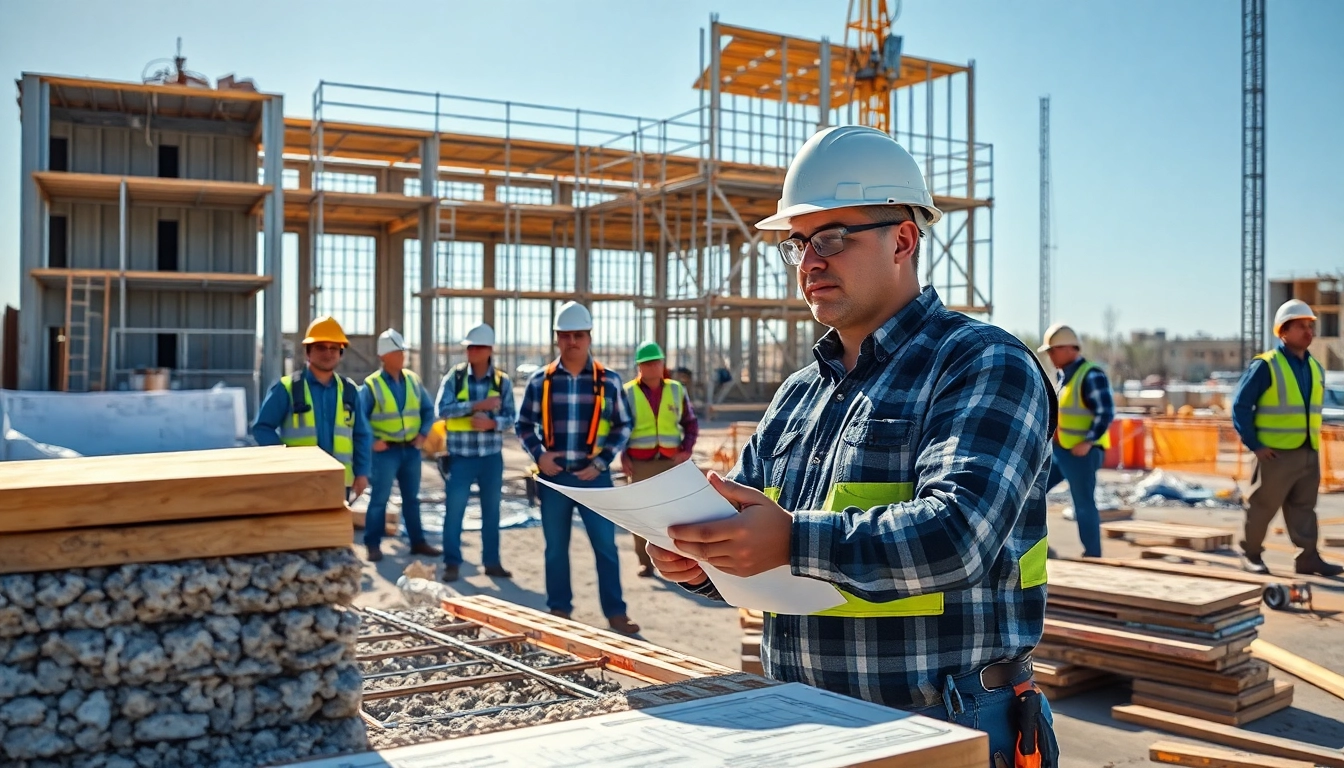
Understanding the Role of a New Jersey General Contractor
In the complex world of construction, the role of a general contractor is pivotal. A New Jersey General Contractor acts as the primary authority overseeing the planning, execution, and completion of various projects. These professionals serve as mediators between various stakeholders, including clients, subcontractors, suppliers, and regulatory bodies. Their commitment to quality and efficiency is essential in maintaining timelines, budgets, and the overall success of construction ventures.
Key Responsibilities of a General Contractor
The key responsibilities of a general contractor extend beyond mere supervision. They are deeply involved in several critical aspects of construction projects:
- Project Planning: General contractors develop comprehensive plans that outline schedules, budgets, and resource allocation.
- Procurement of Materials: They source and acquire necessary materials, ensuring they meet quality standards and project specifications.
- Management of Subcontractors: They hire and oversee subcontractors specializing in various trades, coordinating their efforts to achieve project goals.
- Quality Control: A commitment to maintaining high standards is crucial, as the general contractor is responsible for ensuring quality workmanship.
- Communication: They serve as the point of contact for everyone involved in the project, facilitating clear communication.
- Compliance: General contractors ensure all work meets local codes, zoning laws, and safety regulations.
Licensing and Certification Requirements
In New Jersey, licensing is a prerequisite for general contractors. Individuals must possess a Home Improvement Contractor Registration, which is governed by the New Jersey Division of Consumer Affairs. This certification assures clients of the contractor's legitimacy and adherence to established industry standards. Furthermore, contractors may choose to acquire additional certifications, such as a General Contractor License or participation in specialized training programs that focus on various aspects of construction management.
How General Contractors Operate in New Jersey
The operational landscape for general contractors in New Jersey reflects unique regional regulations and project types. New Jersey has specific requirements for building permits and inspections that can vary from municipality to municipality. Therefore, understanding local building codes and procedures is imperative for successful project execution. Moreover, many contractors establish relationships with local officials to streamline the permitting process and ensure compliance throughout the construction phases.
Factors to Consider When Choosing a New Jersey General Contractor
Choosing the right general contractor can significantly influence the success of your contracting project. Here are essential factors that should guide your selection:
Evaluating Experience and Specializations
When assessing potential contractors, it's crucial to evaluate their experience and field specializations. A contractor with substantial experience in similar types of projects can provide insights into potential challenges and solutions, ultimately leading to a smoother construction process. It's advisable to inquire about the contractor's previous work and specific skills that align with your project needs.
Reviews, References, and Portfolio
Client reviews and references offer valuable insights into a contractor's reliability and quality of work. Requesting a portfolio showcasing completed projects demonstrates the contractor's capability and style. Look for testimonials that highlight punctuality, communication, and problem-solving abilities. Engaging with past clients can uncover potential red flags that may not surface in initial discussions.
Understanding Cost Structures and Pricing
Constructing a clear understanding of the cost structure is critical for maintaining budget adherence. General contractors typically provide a detailed estimate that outlines costs for labor, materials, and other associated expenses. It's vital to inquire about payment schedules, contingency funds, and any possible additional charges. Obtaining multiple estimates can help compare pricing strategies and ensure you choose a contractor who offers the best value for your investment.
Best Practices for Collaborating with Your General Contractor
Once you’ve selected a general contractor, fostering a productive working relationship becomes paramount. Effective collaboration can enhance project outcomes, leading to successful completion. Consider these best practices:
Setting Clear Expectations
Clearly defined expectations are the bedrock of fruitful contractor relationships. During initial meetings, articulate your vision, budget constraints, timelines, and quality standards. Document these expectations in the contract to minimize misunderstandings later on. Establishing a common ground fosters trust and sets a cooperative tone for the project.
Effective Communication Strategies
Open, honest communication is vital throughout the construction process. Schedule regular check-ins to discuss progress, address questions, and provide feedback. Utilize digital project management tools to facilitate information sharing, updates, and documentation. Encouraging feedback both ways can help enhance the project experience for both parties.
Monitoring Progress and Milestones
Keeping tabs on project progress ensures that timelines are honored and quality standards are maintained. Establish a project timeline with key milestones that help gauge the pace of work. Regularly review completed phases against the schedule, allowing for timely interventions if delays occur. This proactive approach can mitigate larger issues down the line.
Common Challenges in General Contracting in New Jersey
Despite the best planning, obstacles often arise in general contracting. Understanding common challenges can prepare both contractors and clients for effective navigation through potential roadblocks:
Dealing with Permits and Regulations
Navigating the landscape of permits and regulations can be tedious. Each municipality has its own set of rules that govern construction processes. Contractors must stay abreast of these regulations and oversee all necessary permits. Clients should expect delays if there are issues with approvals and should factor permitting timelines into project scheduling.
Managing Unforeseen Issues on Site
Construction sites can be unpredictable, often revealing unexpected challenges such as structural issues or weather-related delays. A skilled general contractor will anticipate such issues and have contingency plans in place. Open communication is vital: promptly discussing unforeseen challenges allows for quick resolutions and keeps the project on track.
Keeping Projects on Schedule
Time management is crucial in general contracting. Delays can arise from various sources, including subcontractor availability, material supply issues, or unexpected site conditions. Establishing a solid schedule, practicing diligent oversight, and maintaining clear communication among all parties can help mitigate delays. Flexibility, while maintaining a focus on deadlines, can also empower teams to recover lost time efficiently.
Measuring Success: Key Performance Indicators
Measuring the success of a construction project involves analyzing several key performance indicators (KPIs). Here are some important metrics to consider:
Budget Adherence and Financial Metrics
Monitoring financial adherence to the budget is essential. This metric involves tracking expenses against the initial budget and identifying any discrepancies. Analyzing budget trends can help make informed decisions about resource allocation and potential adjustments, ensuring projects remain financially viable.
Quality of Workmanship and Client Satisfaction
Quality of workmanship measures how well the project meets predefined standards. Contractors should conduct walkthroughs and inspections to assess quality during different project phases. Additionally, measuring client satisfaction through surveys can provide insights into how well the contractor met expectations throughout the project.
Post-Project Evaluation and Feedback
After project completion, conducting a post-project evaluation is beneficial. This involves gathering feedback from all stakeholders, reviewing what worked well, and identifying areas of improvement. Documenting lessons learned can enhance future projects and foster continuous improvement within the contracting process.
Frequently Asked Questions
What Should I Look for in a General Contractor?
Select one with relevant experience and a strong portfolio. Ensure they have good reviews and references.
How Much Does a New Jersey General Contractor Cost?
Costs vary based on project complexity and size; request detailed estimates to compare accurately.
What Are the Benefits of Hiring a General Contractor?
General contractors manage the entire project, ensuring efficiency, quality, and adherence to timelines.
How Involved Should I Be in the Construction Process?
Your involvement can vary; maintain open communication while allowing the contractor to manage day-to-day operations.
What Happens If My Project Exceeds the Budget?
Discuss with your contractor to understand the cause, explore solutions, and decide on budget adjustments if necessary.