Understanding Steel Fabrication
What is Steel Fabrication?
Steel fabrication refers to the process of transforming raw steel materials into finished products or components that are ready for installation in various projects. This intricate process involves several techniques that cut, shape, and assemble steel into custom designs required for industries such as construction, manufacturing, and shipbuilding. Steel fabrication encompasses a wide range of activities including welding, machining, cutting, and the final assembly of fabricated components.
Common Processes in a Steel Fabrication Shop
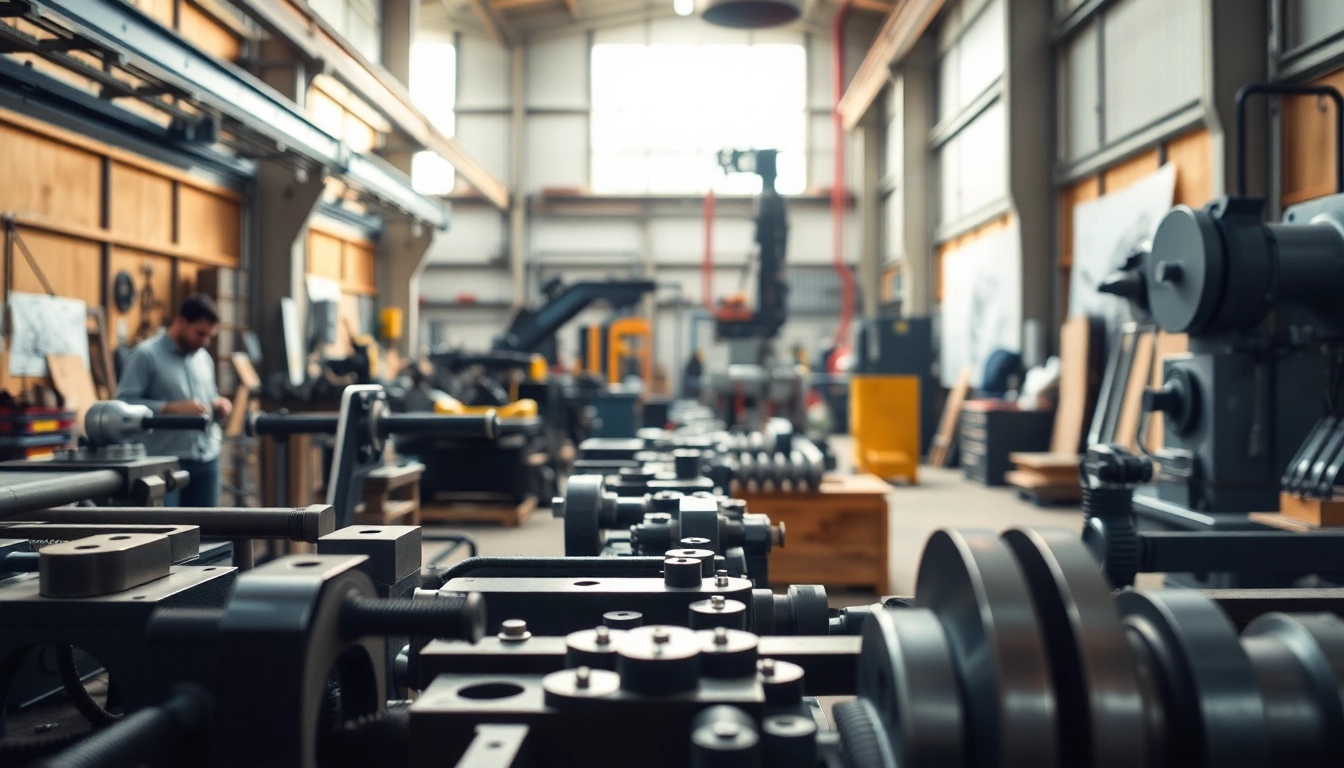
A typical steel fabrication shop utilizes a variety of processes to meet the specific needs of their clients. Here are some of the most common methods:
- CNC Cutting: Computer Numerical Control (CNC) machines are essential for precision cutting of steel materials. They allow for complex shapes and designs to be cut accurately, improving efficiency and reducing waste.
- Welding: Welding is a critical process in steel fabrication, where different steel components are joined together using heat and pressure. It can include techniques like MIG, TIG, and arc welding, depending on the application and material characteristics.
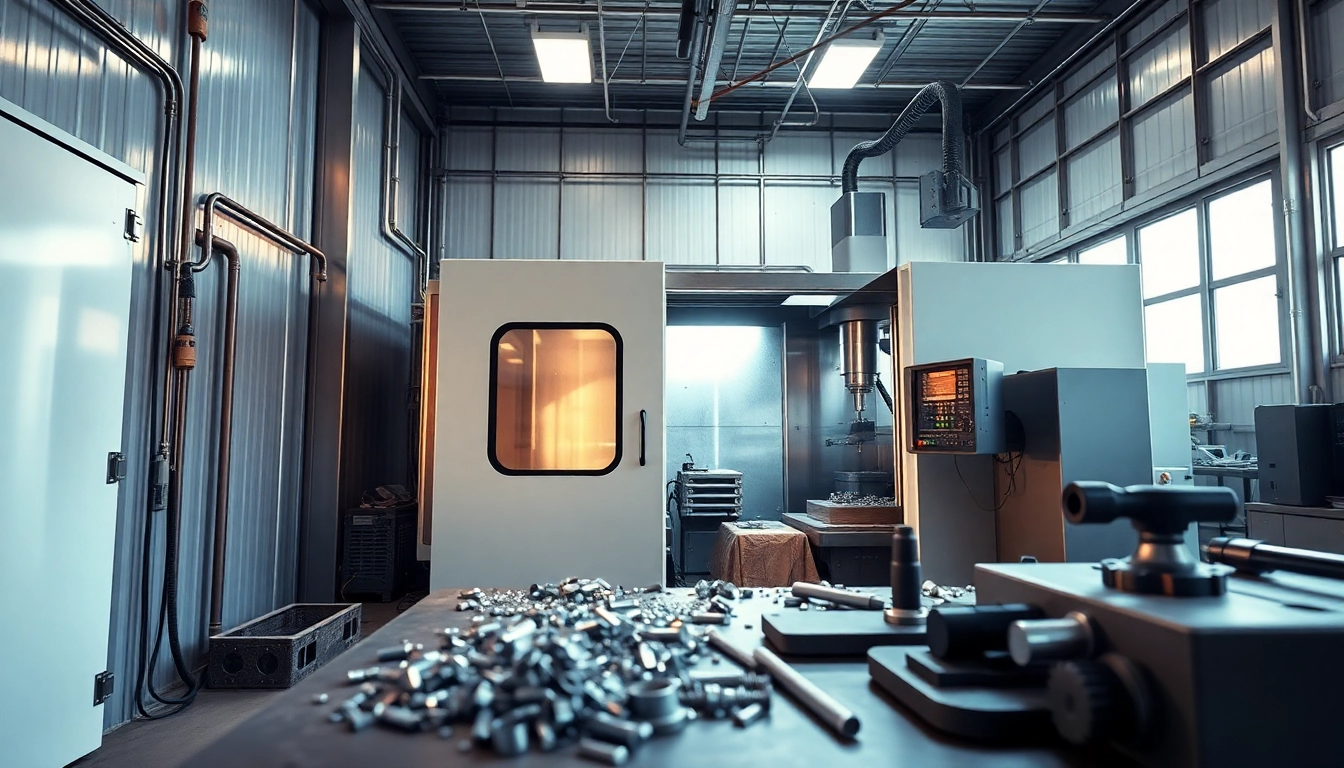
- Machining: This involves processes like grinding, milling, and drilling to achieve the precise dimensions and surface finishes required for the components. Machining can be particularly vital for parts that must fit together accurately.
- Painting and Finishing: After fabrication, many components require surface treatment to enhance their appearance and durability. This can include powder coating, galvanizing, or applying other finishing methods to provide corrosion resistance.
Types of Materials Used in Steel Fabrication
While the primary material involved in steel fabrication is steel itself, various types of steel are utilized in the fabrication process, each offering distinct properties suited to specific applications:
- Mild Steel: This is a versatile and cost-effective material used for general construction and manufacturing applications.
- Stainless Steel: Known for its corrosion resistance, stainless steel is commonly used in environments where exposure to moisture is high.
- Tool Steel: This type of steel is used for making tools due to its hardness and ability to withstand high temperatures.
- High-Strength Low-Alloy (HSLA) Steel: HSLA steel provides better mechanical properties and greater resistance to corrosion.
Benefits of Hiring a Steel Fabrication Shop
Expertise and Technical Skills
One of the primary benefits of hiring a professional steel fabrication shop is the expertise and technical skills that qualified fabricators bring to the table. Skilled professionals rely on years of training and experience to deliver high-quality products that meet the specific requirements of each project. Their deep understanding of materials and fabrication techniques ensures that every piece of work is up to industry standards and safety regulations.
Custom Solutions for Your Projects
A reputable fabrication shop can offer tailored solutions to meet the unique demands of your project. Whether you need specific dimensions, weight restrictions, or design elements, a custom fabrication service can deliver precisely what you need. Collaborating with professionals allows for innovation in design and function, often resulting in solutions that push the boundaries of conventional fabrication.
Cost-Effectiveness in Steel Fabrication
Investing in a steel fabrication shop may seem daunting at first; however, it often proves more cost-effective in the long run. By outsourcing fabrication work, companies can save on overhead costs, such as machinery, labor, and materials management. Furthermore, fabrication shops have established supply chains and can negotiate better material prices, passing those savings to their clients.
Finding the Right Steel Fabrication Shop
Key Factors to Evaluate When Choosing
When seeking a fabrication shop, certain factors must be evaluated to ensure an informed decision:
- Experience and Reputation: Look for a shop with a robust portfolio and positive feedback from previous clients. Reviews and testimonials can help gauge reliability and quality.
- Capabilities and Equipment: It's crucial to assess whether the shop has the necessary equipment and technology to handle your specific project requirements effectively.
- Certifications: Ensure that the fabrication shop is certified to comply with industry standards, which indicates a commitment to quality and safety.
Tips for Comparing Fabrication Services
Before finalizing your choice, consider these tips for comparing various services:
- Obtain Quotes: Reach out to multiple fabrication shops and request detailed quotes, ensuring that you understand what’s included in the pricing.
- Visit Facilities: If possible, visit the fabrication shops to observe their operations and meet the team. This can provide insights into their capabilities and work culture.
- Check Lead Times: Ask about the expected turnaround time for your project, as this can significantly impact your overall timeline.
How Location Influences Your Choices
The location of a steel fabrication shop can play a crucial role in your decision-making process. Proximity can reduce transportation costs and facilitate easier communication during the project. Additionally, regional regulations and availability of skilled labor differ and can affect the quality and turnaround time of fabrication services.
Common Challenges in Steel Fabrication
Managing Specifications and Designs
One of the most significant challenges facing steel fabrication is managing client specifications and designs. In some cases, clients may not clearly communicate their needs, leading to misunderstandings and costly mistakes. Fabrication professionals often use advanced software to manage designs and ensure accuracy. Collaboration tools facilitate ongoing communication between fabricators and clients, helping to clarify any ambiguities.
Dealing with Material Sourcing Issues
Another common challenge involves sourcing the right materials at competitive prices. Steel prices can fluctuate significantly due to market demands and global events, which complicates project budgeting. Establishing relationships with reliable suppliers is essential for ensuring a consistent supply of high-quality materials. Fabrication shops often leverage long-standing partnerships to mitigate these issues and secure the best rates.
Understanding Lead Times and Their Importance
The lead time for steel fabrication can vary widely based on the complexity of the project and availability of materials. Delays can occur due to unforeseen circumstances, affecting project timelines and overall success. This reality underscores the importance of accurate project planning and clear communication with clients regarding realistic timelines. By managing expectations, fabrication shops can maintain strong relationships with their clients, ensuring continued business opportunities.
Future Trends in Steel Fabrication Industry
Advancements in Technology and Machinery
As the steel fabrication industry evolves, ongoing advancements in technology and machinery are radically transforming how shops operate. Innovations such as laser cutting and 3D printing offer increased precision, enabling fabricators to create more complex designs efficiently. Integrating automation and robotics into production lines can further streamline operations, reduce labor costs, and enhance safety in hazardous environments.
Environmental Considerations in Steel Fabrication
With growing awareness about environmental sustainability, the steel fabrication industry is also shifting towards greener practices. Utilizing recycled steel materials, minimizing waste, and implementing energy-efficient production methods are all becoming standard practices. Clients increasingly seek fabrication partners that prioritize sustainability, making it imperative for shops to adapt and offer eco-friendly solutions.
The Rise of Automation in Fabrication Shops
Automation is one of the most significant trends shaping the future of steel fabrication. Shops are increasingly employing robotic systems for welding, cutting, and material handling, allowing for higher levels of efficiency and consistency. This shift not only reduces labor costs but also enhances the safety of the workforce by taking on dangerous tasks. As technologies continue to develop, expect to see an even greater reliance on automation in this industry.