Understanding Fly Fishing Combos
What is a Fly Fishing Combo?
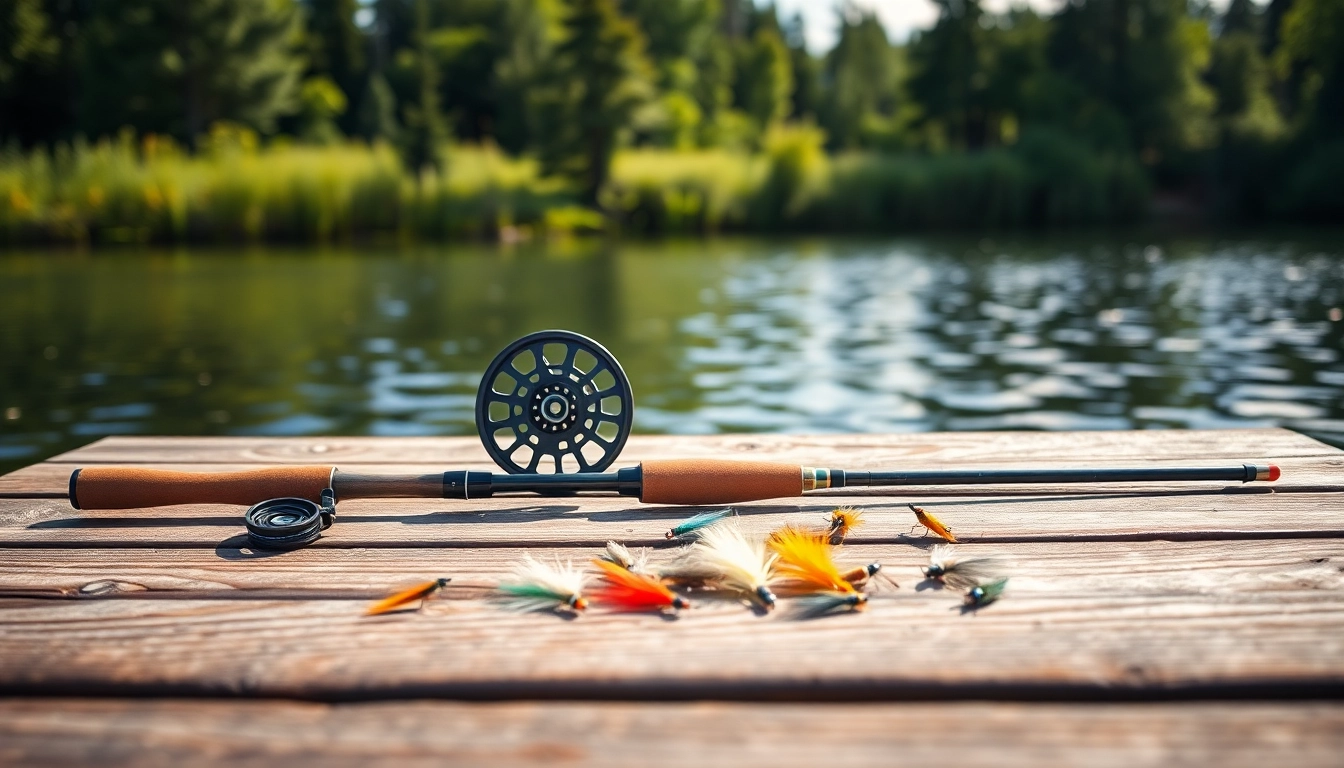
A fly fishing combo is a carefully assembled package designed to provide anglers with all the necessary components to get started with fly fishing. Typically, these combos include a fly rod, reel, line, and sometimes additional items such as leaders and a carrying case. By purchasing a combo, beginners can ensure they have the right gear without the daunting task of selecting each item individually, which can often be overwhelming given the sheer variety available in the market. For anyone looking to dive into the sport, a fly fishing combo streamlines the process significantly.
Benefits of Using a Combo
Utilizing a fly fishing combo comes with several advantages. First and foremost, it offers an integrated solution that is often pared down for beginner and intermediate anglers, which means less hassle in selection. Combos are typically price-effective, allowing newcomers to acquire quality gear without breaking the bank. Moreover, buying a compatible set of products ensures that all components are suited for each other, simplifying the learning curve as one navigates the fundamentals of fly fishing.
Another significant benefit is that these packages are usually crafted by brands known for their quality, enabling users to trust the performance of their equipment. Finally, a combo can also provide various options tailored for specific fishing conditions, whether targeting freshwater species in streams or saltwater fish in coastal regions, thereby enhancing the angler's overall experience.
Key Components of a Fly Fishing Combo
The essential elements of a fly fishing combo include:
- Fly Rod: The primary tool for casting the line, available in various lengths and materials suited for different situations.
- Fly Reel: A device to retrieve the line and play fish, important for maintaining control and managing line tension.
- Fly Line: Engineered to float and facilitate casting, with different weights suited for various rod specifications.
- Leader Line: A thin, nearly invisible line connected to the tippet that helps present the fly naturally in the water.
- Flies: The artificial lures used to attract fish, available in a wide range of patterns and sizes.
- Carrying Case: Ensures that all equipment is protected and easily portable.
Selecting the Right Fly Fishing Combo for Beginners
Essential Features to Consider
Choosing the right fly fishing combo is crucial, especially for beginners who are still developing their preferences. Here are several key features to consider:
- Rod Length: Typically, rods range from 7 to 9 feet in length. A longer rod is ideal for casting in larger bodies of water, while a shorter rod is better for close quarters and tighter spaces.
- Rod Weight: The weight should correspond with the type of fish targeted; for instance, a 5-weight rod is suitable for trout, while a 9-weight is ideal for larger species like bass or pike.
- Reel Type: Beginners may benefit from a simple, uncomplicated reel with a smooth drag system. Look for models that match the size and weight of the rod.
- Material Quality: Opt for rods and reels made from durable materials like graphite, which offer both strength and sensitivity.
- Ease of Use: Simplicity in the design can significantly enhance the fishing experience as a beginner learns the nuances of casting and retrieval.
Recommended Brands and Models
When venturing into fly fishing, choosing a reputable brand can make a significant difference in the learning experience. Here are a few highly regarded brands:
- Orvis: Known for high-quality gear, Orvis offers an array of popular combos such as the Orvis Clearwater Combo. These ensure you start on the right foot.
- Redington: The Redington Vice Combo is often recommended for beginners due to its affordable price and reliable performance.
- Pflueger: The Pflueger President Fly Combo is a great option for those seeking value without compromising quality.
- Echo: Their Echo Base Fly Rod Outfit is a fantastic choice for novices looking to learn the basics without an excessive investment.
Price Ranges for Quality Combos
The cost of fly fishing combos can vary widely. Generally, you can expect to pay anywhere from $100 to $500 for a decent setup:
- Budget (<$150): Basic combos are available at this range, suited for casual anglers or those just trying out the sport.
- Mid-Range ($150 - $300): These options often include better materials and technology, providing a balance between performance and affordability.
- Premium ($300+): High-end combos crafted for enthusiasts looking for specialized gear and superior performance.
Advanced Tips for Customizing Your Fly Fishing Combo
Upgrading Rods and Reels
As anglers progress in their skills, they may wish to upgrade their equipment. One of the most significant upgrades can be the rod and reel. Customization allows for better performance based on personal preferences:
- Rod Upgrade: Look for rods that offer better sensitivity and lighter weight. Higher-end models often utilize advanced materials such as graphite, which enhance responsiveness and provide better casting distance.
- Reel Performance: Upgrading to a reel with a superior drag system allows for better control when fighting fish and can significantly enhance the fishing experience.
Choosing Suitable Lines and Leaders
Understanding which fly lines and leaders to use can help tailor your setup for various fishing scenarios. Consider these factors:
- Floating vs. Sinking Lines: The type of line selected should depend on the fishing environment; floating lines are versatile for various scenarios, while sinking lines are effective for deeper waters.
- Leader Line Selection: The leader line's weight should match your fly and rod choice to ensure seamless casting and better calibration of fly presentation in the water.
Personalizing Your Tackle Box
A well-organized tackle box can significantly improve your fishing experience. Personalization involves adjusting your tackle box contents to fit your fishing style:
- Selection of Flies: Choose flies that suit your target species and local fishing conditions, ensuring you have a mix of nymphs, dries, and streamers.
- Accessories: Additional tools like nippers, forceps, and strike indicators should also be part of your setup for complete readiness.
- Organizational Systems: Use compartments to keep your tackle organized, and consider labeling for easy access to specific flies during trips.
Maintaining Your Fly Fishing Combo
Cleaning and Care Techniques
Proper maintenance of your fly fishing combo is essential for longevity and functionality. Follow these steps to ensure your equipment remains in peak condition:
- Rinse After Use: Always rinse your rod and reel in fresh water after fishing, especially if used in saltwater environments.
- Drying Out: Allow each component to dry thoroughly before packing it away to prevent the growth of mold and corrosion.
- Frequent Inspections: Regularly check for any signs of wear, such as cracked guides or weak drag systems, and address issues promptly.
Storage Best Practices
When storing your fly fishing combo, consider these best practices to maintain its integrity:
- Rod Case: Always store your rods in a protective case to prevent accidental breakage.
- Reel Care: Store the reel without line tension if possible. This reduces the risk of damage to the drag system.
- Fly Preservation: Keep your flies in a spacious, dry tackle box to prevent damage and deterioration.
Identifying Wear and Tear
Recognizing signs of wear and tear early can prevent costly repairs or replacements. Be on the lookout for:
- Fraying Lines: Inspect your fly and leader lines regularly; if you notice any fraying, it may be time for a replacement.
- Guide Damage: Ensure that rod guides are intact, as damage can impede line flow and hinder casting.
- Reel Performance: If the reel is hard to turn or the drag isn't smooth, these may indicate internal issues requiring attention.
Fly Fishing Combo for Specific Locations and Species
Freshwater vs. Saltwater Combos
When selecting a fly fishing combo, it’s essential to differentiate between freshwater and saltwater applications as the requirements differ significantly:
- Freshwater Combos: Generally lighter and more sensitive rods that can range from 3-weight to 6-weight, ideal for species such as trout and panfish.
- Saltwater Combos: Typically heavier (5-weight and above) with more corrosion-resistant materials due to the harsh conditions and tougher species like redfish and tarpon.
Species-Specific Recommendations
Targeting different fish species may require specific setups tailored to meet those needs:
- Trout: A medium-action, 5-weight combo with dry flies and nymphs is often best for rivers and streams.
- Bonefish: For saltwater conditions, a 7-weight rod paired with a strong, responsive reel geared toward quick line retrieval works well.
- Bass: Consider a 6-weight combo with weighted flies to cut through vegetation and reach deeper areas.
Adapting Your Setup for Different Environments
Environmental conditions can change rapidly, necessitating flexibility in your fly fishing setup:
- Weather Conditions: Windy days may require heavier flies and lines to maintain control and improve casting accuracy.
- Water Clarity: In murky water, using brightly colored flies can increase visibility and attract fish more effectively.
- Temperature Effects: Colder water temperatures may force fish to be less active; thus, slower presentations with nymphs may yield better results.
Overall, acquiring and optimizing your fly fishing combo is crucial for a rewarding fishing experience. By understanding the different components and factors involved in selecting, customizing, maintaining, and operating your gear, you will not only enhance your fishing skills but also ensure that each trip into the wilderness delivers excitement and joy.