Understanding the Benefits of Sports Massage at Home
Sports massage at home offers a unique blend of convenience and expert care, essential for those striving to enhance their physical performance or recover from injuries. By eliminating travel time and discomfort, patients can fully benefit from personalized treatment in their own environment. This article will delve into the various benefits of sports massage tailored to individual needs, particularly in a home setting, thereby enhancing your overall wellness journey.
What is Sports Massage?
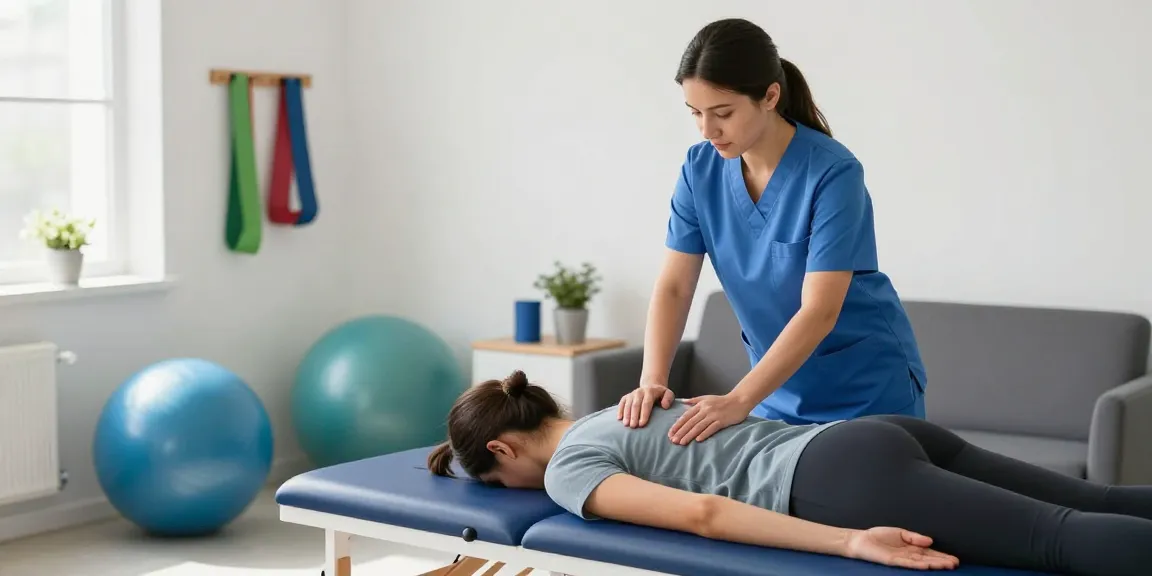
Sports massage is a specialized type of massage therapy designed to help athletes and physically active individuals prepare for and recover from their activities. It combines various techniques, including deep tissue, stretching, and trigger point therapy, aimed at relieving muscle tension and promoting recovery. Unlike traditional massage, which often focuses on relaxation, sports massage is typically geared towards enhancing athletic performance, preventing injuries, and rehabilitating existing injuries.
Key Benefits for Recovery and Performance
- Improved Circulation: Sports massage increases blood flow to muscles, accelerating the delivery of nutrients and oxygen while facilitating the removal of metabolic waste products.
- Reduced Muscle Tension: The techniques utilized in sports massage help alleviate tightness and stiffness in muscles, which can improve flexibility and range of motion.
- Pain Relief: Regular sessions can help manage pain caused by training and injuries through targeted manipulation of muscle groups.
- Enhanced Recovery: By reducing delayed onset muscle soreness (DOMS), sports massage supports quicker recovery times after intense exercise.
- Injury Prevention: Regular treatment can identify areas of tension or weakness, enabling proactive measures to prevent injuries before they occur.
How Home Services Improve Accessibility
Utilizing sports massage at home allows for greater accessibility, particularly for individuals with mobility challenges or busy schedules. Home visits provide a bespoke service that fits seamlessly into a patient’s lifestyle, ensuring they receive the necessary treatments without added stress. This convenience is especially beneficial for those balancing work, family, and fitness commitments, as it eliminates the time and energy spent traveling to a clinic.
Who Can Benefit from Home Sports Massage Treatments?
Athletes Looking to Enhance Performance
Both professional and recreational athletes can significantly benefit from home sports massage treatments. With tailored sessions, athletes can target specific muscle groups that require attention, helping them optimize their performance during training and competition. Moreover, ongoing care can help athletes maintain peak physical condition and reduce the likelihood of injury.
Individuals Recovering from Injuries
For those healing from injuries, sports massage can be a powerful rehabilitation tool. Licensed physiotherapists can work on scar tissue management and restoring mobility, incorporating personalized approaches based on the individual's injury type and recovery timeline. Regular sessions aid in restoring muscle function and strength while alleviating pain, making the recovery process more efficient.
Patients with Mobility Challenges
Patients who experience difficulty traveling due to chronic pain or mobility impairments can greatly benefit from home sports massage services. By receiving treatment in a comfortable and familiar environment, patients can relax more easily, thus enhancing the effectiveness of the massage. Additionally, therapists can adapt their techniques to accommodate various conditions, ensuring care is as effective and safe as possible.
How to Choose a Trusted Sports Massage Provider
Qualifications and Certifications to Look For
When selecting a sports massage provider, it is essential to ensure they have appropriate qualifications and certifications. Look for therapists who are registered with recognized organizations and possess credentials in sports massage and physiotherapy. This ensures that they are trained in the specific techniques and knowledge necessary to provide effective care.
Understanding Treatment Approaches
Providers should offer a clear explanation of their treatment approaches. This includes understanding the techniques they will use, how they tailor sessions to meet individual needs, and what outcomes you can expect. A therapist's ability to create a personalized plan based on the patient's specific goals and health conditions will directly influence the effectiveness of the massage treatments.
Questions to Ask During an Initial Consultation
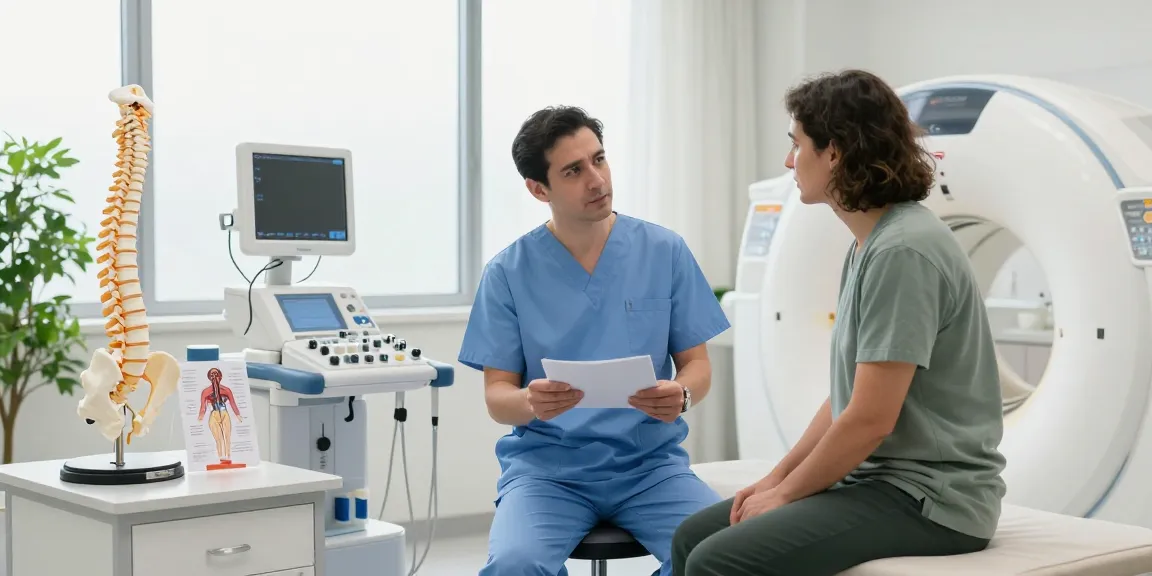
During your first consultation, it’s beneficial to ask questions that cover various aspects of care. Inquire about their experience with your specific needs, how they track progress and adjust treatment plans, and if they collaborate with other healthcare providers when necessary. This communication ensures that you find a provider who prioritizes your health and well-being.
Integrating Sports Massage with Other Health Services
Complementary Treatments for Comprehensive Care
Sports massage should not be viewed in isolation; integrating it with other health services can amplify its benefits. For instance, combining massage with physiotherapy, chiropractic care, or personal training can create a holistic approach to recovery and performance enhancement. Discussing a comprehensive treatment strategy with your healthcare provider can lead to more effective management of health and wellness goals.
The Role of Physiotherapy in Recovery
Physiotherapy plays a crucial role in recovery from injuries and in improving overall physical performance. Sports massage, as a part of a physiotherapy plan, can provide immediate relief from muscle tension, while physiotherapy focuses on long-term recovery strategies. This combination enables patients to understand the underlying issues contributing to their physical discomfort and work collaboratively towards solutions.
Collaboration with Healthcare Providers
Collaborating with other healthcare professionals is vital for comprehensive care. For example, a sports massage therapist should liaise with general practitioners, orthopedic specialists, or physical therapists to create a cohesive treatment plan. Effective communication ensures that your sports massage is synchronized with other therapies, optimizing your recovery.
Frequently Asked Questions about Sports Massage at Home
How Often Should I Schedule a Sports Massage?
The frequency of sports massage depends on individual needs, activity levels, and specific goals. Athletes may benefit from weekly sessions during intense training phases, while those recovering from injuries might start with bi-weekly visits, adjusting as their condition improves. Consulting with your therapist can help establish an optimal schedule tailored to your needs.
Are Sports Massages Safe for Everyone?
While sports massages are generally safe, they may not be appropriate for individuals with certain medical conditions or injuries. It’s crucial to discuss any health issues or concerns with your massage therapist before treatment. They will assess your situation to ensure that massage therapy is suitable for you, adjusting techniques as necessary for safety.
What Can I Expect During My First Massage Session?
Your first sports massage session typically begins with an assessment. For more information, sports massage at home offers valuable insights. The therapist will discuss your medical history, current physical condition, and goals. They will explain the techniques they plan to use and how they can be adjusted for your comfort. Expect a personalized experience that focuses on addressing your unique needs and enhancing your performance.