
Introduction
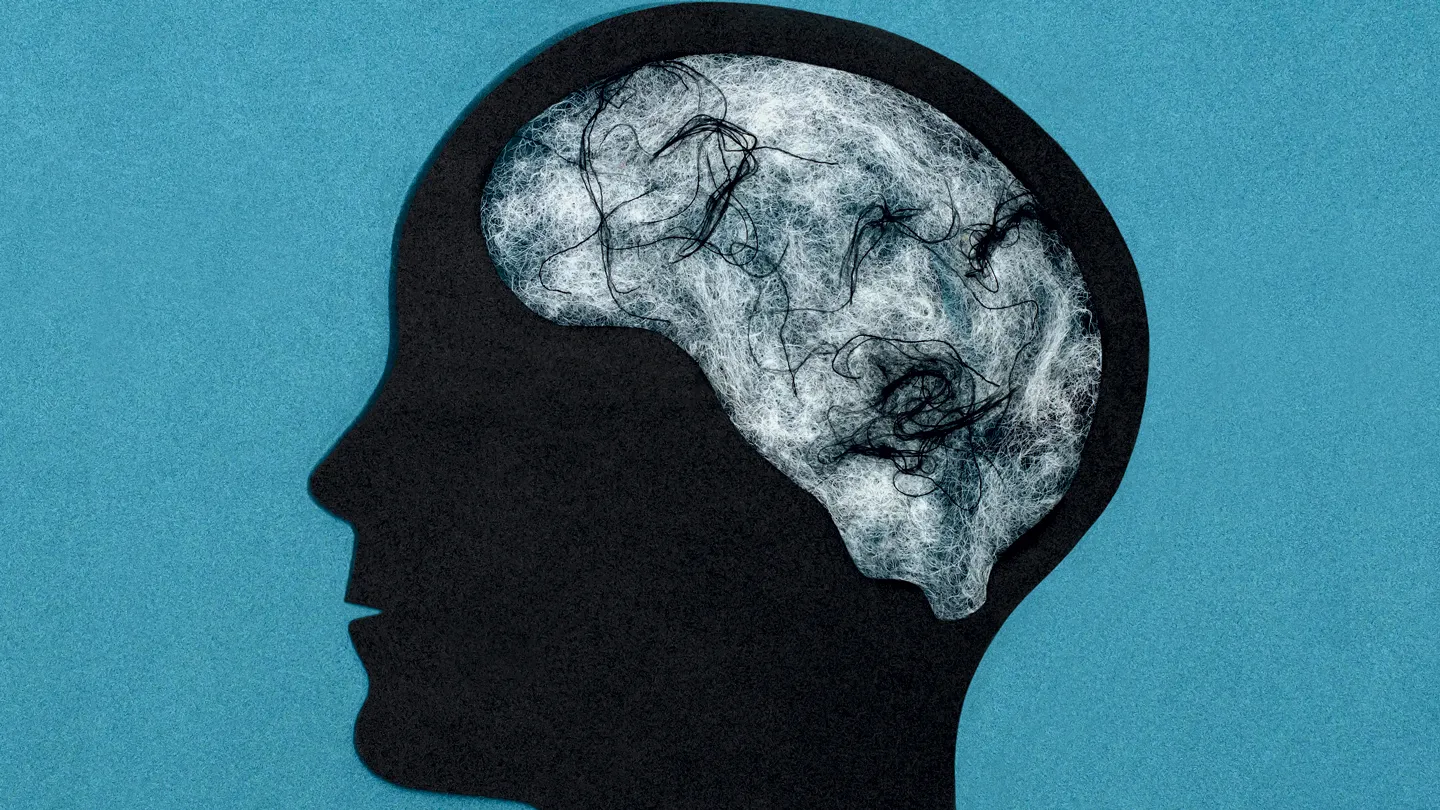
Feeling mentally drained, forgetful, or unable to focus can be discouraging—especially when it happens often. This condition, known as Brain Fog, affects millions of people and can significantly impact daily life and productivity. While quick fixes like caffeine or sugar may offer temporary relief, they don’t address the root causes. True Brain Fog recovery requires a longevity-focused approach—one that nurtures your brain, body, and lifestyle for sustained mental clarity. By understanding how your choices influence long-term brain health, you can clear Brain fog naturally and strengthen your mind for years to come.
Understanding Brain Fog
Brain Fog is a symptom, not a disease. It’s often described as mental cloudiness, poor concentration, and a feeling of being “off.” While stress, poor sleep, and bad diet are common culprits, deeper biological processes—like inflammation, oxidative stress, and hormonal imbalance—are usually at play. Recovery begins with identifying these underlying factors and supporting the body’s natural healing systems.
The Longevity Perspective On Brain Fog
A longevity-focused lifestyle prioritizes prevention and cellular health over quick relief. When applied to Brain Fog, this means optimizing the brain’s energy systems, protecting neurons from damage, and promoting long-term cognitive resilience. The same habits that extend lifespan also sharpen focus, memory, and mood—making this approach both restorative and protective.
Step 1: Heal Through Anti-Inflammatory Nutrition
Chronic inflammation is one of the main causes of Brain Fog and cognitive decline. Reducing it through diet is the first step toward long-term recovery.
Eat Brain-Boosting Foods
Include foods rich in omega-3 fatty acids (salmon, walnuts, flaxseeds) and antioxidants (berries, green tea, dark leafy greens). These nutrients reduce inflammation and oxidative stress, helping the brain function more efficiently.
Avoid Inflammatory Triggers
Processed foods, refined sugar, trans fats, and alcohol contribute to inflammation and worsen Brain Fog. Replace them with whole, unprocessed alternatives like vegetables, legumes, and lean proteins.
Embrace the Mediterranean Diet
This longevity-based eating pattern emphasizes olive oil, fish, vegetables, and nuts—all shown to improve cognitive health and reduce the risk of Brain Fog and neurodegeneration.
Step 2: Optimize Mitochondrial Function
Your mitochondria are the brain’s energy factories. When they underperform, fatigue and Brain Fog set in.
- Exercise regularly: Movement stimulates mitochondrial renewal and increases oxygen flow to the brain.
- Intermittent fasting: Fasting activates autophagy—a cellular cleanup process that removes damaged mitochondria and clears toxins linked to Brain Fog.
- CoQ10 and PQQ supplements: These nutrients enhance mitochondrial energy production and protect neurons from oxidative damage.
Step 3: Balance Hormones For Cognitive Vitality
Hormonal imbalances—particularly in thyroid, cortisol, and insulin levels—are major contributors to Brain Fog.
- Regulate cortisol: Practice stress-reducing habits like meditation, deep breathing, or yoga to keep cortisol in balance.
- Support thyroid health: Ensure adequate intake of selenium, zinc, and iodine, which are essential for thyroid function.
- Stabilize insulin: Balanced blood sugar levels prevent the mental crashes that worsen Brain Fog. Eat small, balanced meals with protein and healthy fats throughout the day.
Step 4: Strengthen The Gut-Brain Connection
Your gut health plays a crucial role in brain clarity and longevity. When your gut microbiome is balanced, neurotransmitters like serotonin and dopamine are produced efficiently, helping eliminate Brain Fog.
- Add probiotics and prebiotics: Yogurt, kefir, garlic, and onions help feed beneficial gut bacteria.
- Reduce gut inflammation: Avoid foods that trigger sensitivities or digestive issues.
- Stay hydrated: Water aids digestion, detoxification, and nutrient absorption—all vital for mental clarity.
Step 5: Prioritize Restorative Sleep
Sleep is your brain’s reset button. During deep sleep, the glymphatic system flushes out toxins that can cause Brain Fog. Chronic sleep deprivation accelerates cognitive aging and reduces mental performance.
- Maintain a consistent bedtime schedule.
- Keep screens away an hour before bed.
- Create a cool, dark, and quiet sleeping environment.
- Try natural sleep aids like magnesium or herbal teas if needed.
Step 6: Manage Stress For Longevity And Focus
Chronic stress damages neurons, disrupts neurotransmitter balance, and accelerates aging. Reducing stress not only clears Brain Fog but also supports long-term brain health.
- Practice mindfulness meditation: Just 10 minutes daily can enhance memory and reduce mental fatigue.
- Engage in hobbies: Creative or calming activities like painting or gardening lower cortisol levels.
- Spend time in nature: Fresh air and sunlight improve mood, oxygen levels, and mental alertness.
Step 7: Use Natural Supplements To Support Brain Recovery
Certain supplements can accelerate Brain Fog recovery and promote brain longevity.
- Omega-3 fatty acids: Support neuronal repair and anti-inflammatory function.
- B-complex vitamins: Essential for neurotransmitter synthesis and brain energy.
- Magnesium: Relieves stress and improves sleep quality.
- N-Acetyl Cysteine (NAC): Reduces oxidative stress and supports detoxification.
- Lion’s Mane mushroom: Promotes nerve growth and enhances cognitive resilience.
Step 8: Cultivate Mental Fitness
Just like physical exercise strengthens your body, mental challenges strengthen your brain. Activities like reading, learning new skills, or solving puzzles increase neural connectivity, reducing the chances of Brain Fog and cognitive decline with age.
- Learn a language, play a musical instrument, or take up strategy games.
- Practice mindfulness to enhance concentration and present-moment awareness.
Step 9: Maintain Social And Emotional Wellbeing
Longevity is not just about physical health—it’s also about emotional connection. Strong social bonds stimulate the brain’s reward centers and release oxytocin, improving mood and reducing Brain Fog.
- Stay connected with friends and loved ones.
- Volunteer or participate in community activities to boost mental engagement and happiness.
Step 10: Commit To Lifelong Brain Care
Brain Fog recovery isn’t a one-time fix—it’s a lifestyle transformation. Consistency in diet, sleep, exercise, and mindfulness ensures long-term brain vitality. Over time, these small habits accumulate, protecting your brain against aging and promoting lasting mental energy.
The Science Of Longevity And Clarity
Research consistently shows that longevity practices—such as fasting, plant-based nutrition, and stress management—enhance neuroplasticity, reduce inflammation, and slow cognitive decline. These same mechanisms help eliminate Brain Fog, proving that a long, healthy life naturally leads to a clear and focused mind.
Conclusion
Recovering from Brain Fog means more than just clearing your mind—it’s about building a foundation for lifelong mental strength. Through anti-inflammatory nutrition, balanced hormones, restorative sleep, and a calm mindset, you can restore your brain’s full potential. A longevity-focused approach doesn’t just help you think clearly today; it protects your cognitive health for decades to come. With Genkika’s natural wellness philosophy, you can embrace this journey toward clarity, vitality, and a sharper, more resilient mind—free from Brain Fog and full of lasting energy.