
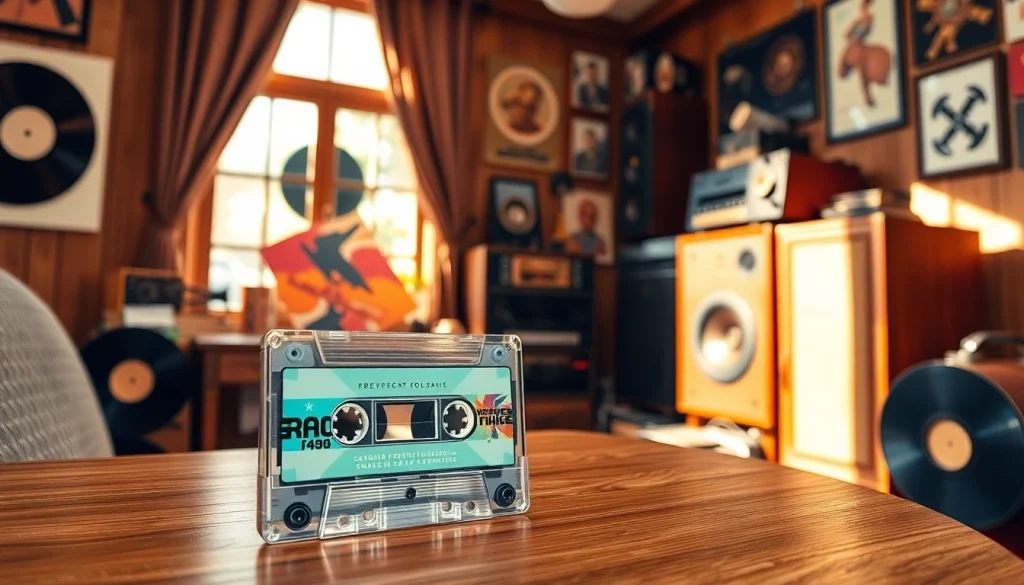
Understanding the Audio Cassette: An Overview
Among various audio formats that have marked the evolution of sound recording, the audio cassette holds a unique place. This medium not only revolutionized the music industry but also changed how people engaged with music and sound. In this article, we will delve deep into the intricacies surrounding the audio cassette, exploring its definition, historical significance, and contemporary applications in modern society.
What is an audio cassette?
The audio cassette, also known as the compact cassette, is a magnetic tape recording format that allows both the playback and recording of audio data. Encased in a plastic shell, the cassette comprises two reels of magnetic tape that are fed through a reading mechanism. It plays music or recorded audio through a cassette player, a device that engages the magnetic tape, converting the stored magnetic patterns back into sound. Patented in 1963, the audio cassette gained widespread popularity during the 1980s and has since become both a nostalgic artifact and a functional medium.
The history of the audio cassette
The journey of the audio cassette began in the early 1960s, stemming from the development of magnetic tape technology. While accepted as a consumer format in the 1970s, it underwent significant growth throughout the next decade. Pioneering companies recognized the potential for private and portable music and designed cassette players, including the iconic Walkman, which allowed users to take their music on-the-go.
By the 1980s, the audio cassette became synonymous with personal music consumption, offering a new way to distribute music through mixtapes and home recording. But as digital formats emerged, such as CDs and later MP3s, the cassette era began to wane. Yet, in recent years, there has been a revival in interest, as vinyl records have surged in popularity, leading many to rediscover the audio cassette’s unique charm.
Common uses for audio cassette today
In today’s digital age, the audio cassette serves several niches. Musicians and artists often use cassettes for limited edition releases, offering a tactile experience that digital formats can’t replicate. For collectors and enthusiasts, cassettes represent vintage appeal, often connected to specific memories or eras in their lives. Additionally, audio cassettes are used in retro-style audio setups, attracting audiophiles drawn to their analog sound characteristics. Finally, some unique projects involve recording spoken word, experimental music, or noise genres, emphasizing the cassette’s versatility.
Essential Components of an Audio Cassette
Breaking down the anatomy of an audio cassette
The architecture of an audio cassette is both simple and complex, comprising several key components: the casing, tape, reels, and spooling system. Designed for durability, the outer casing protects the inner mechanics. Inside, the magnetic tape varies in length—standard lengths being 60 or 90 minutes—encased on two reels which allow for the smooth feeding of tape through playback heads. The spool mechanism ensures an even distribution of tape, facilitating playback without tangling or wear.
Types of audio cassettes available
There are several types of audio cassettes on the market today. The most prominent include:
- Normal Bias (Type I): Most commonly used for general recording.
- High Bias (Type II): Designed for superior sound quality, often preferred by music enthusiasts.
- Metal Bias (Type IV): Offers high-quality sound but requires specific tape players.
- Blank Audio Cassettes: These allow for versatile recording options, popular among hobbyists and musicians.
Recording mechanisms in audio cassettes
Understanding the recording mechanisms sheds light on how audio cassettes maintain audio fidelity. The magnetic tape’s surface contains particles coated with iron oxide, which are magnetized during recording through electromagnetic transducers. When a sound wave is captured, it modulates the magnetic field, imprinting the audio onto the tape. This analog method, while less precise than digital formats, provides a rich sound texture that many listeners prefer.
Benefits of Using Audio Cassettes
Unique sound quality characteristics
Audio cassettes deliver a distinct sound quality that many audiophiles appreciate. Unlike digital formats that can sometimes produce sterility in sound, cassettes add warmth and a certain amount of compression, enhancing dynamic range and creating a “live” feel. The imperfections inherent in analog recordings can contribute to a sense of authenticity, making audio cassettes an appealing choice for artists aiming to deliver a more organic sound.
The nostalgic appeal of audio cassettes
For countless individuals who grew up with the audio cassette, the format evokes strong memories—of afternoons spent recording mixtapes, the thrill of home-recorded albums, and the physicality of handling each cassette. This emotional connection has spurred a renaissance among vintage enthusiasts, who see cassettes not only as audio devices but as cultural artifacts that represent a particular era of music and creativity.
Affordability and accessibility of audio cassette tapes
With advancements in manufacturing and distribution, audio cassettes have remained affordable. While prices can vary based on the rarity or demand of specific titles, many tapes can be found at clearance prices or thrift stores, making them accessible to younger generations interested in exploring this format. This affordability encourages experimentation among new listeners and collectors alike.
How to Convert and Preserve Your Audio Cassette Collection
Steps to digitize audio cassettes
Digitizing your collection of audio cassettes can preserve precious recordings for future generations. Here’s a structured approach:
- Gather necessary equipment, including a cassette player with audio output, a computer, and appropriate software for recording.
- Connect the cassette player to your computer using RCA-to-3.5mm cables or another suitable method.
- Open your recording software and set the input levels to avoid distortion during recording.
- Play the cassette and capture the audio in real-time, ensuring a proper setup for quality sound.
- Edit the recordings (if necessary) and save them in your desired format (WAV, MP3, etc.).
Best practices for storing audio cassettes
To maintain the quality of your audio cassettes, proper storage is essential. Here are several best practices:
- Keep in a cool, dry place: Store cassettes away from direct sunlight and humidity to prevent warping and degradation.
- Avoid magnetic fields: Steer clear of appliances and devices that could affect the magnetic tape.
- Use protective cases: Employ cases or sleeves for individual tapes to guard against dust, scratches, and physical stress.
- Regularly check and playback: By occasionally playing back the audio cassettes, you can detect potential deterioration early and respond accordingly.
Tools needed for cassette preservation
When preserving your audio cassettes, consider obtaining the following tools:
- High-quality cassette players with audio output capability.
- Digital audio workstations (DAWs) or audio recording software.
- Head cleaning kits and tools for maintenance.
- Storage solutions such as containers or archival boxes designed for media preservation.
Future of Audio Cassette in the Digital Age
Current trends in audio cassette usage
The audio cassette is experiencing a renaissance, with recent surveys indicating an uptick in sales and interest in the format across various demographics. Many indie artists release their work on cassette, leveraging their unique sound quality and appealing to the nostalgia of older generations while introducing a tactile music experience to younger audiences. This trend plays into a broader resurgence in analog formats overall, as consumers seek refuge from digital saturation.
How audio cassettes shape music culture today
Audio cassettes are influencing contemporary music culture in several ways. They encourage artists to think creatively about their releases, often resulting in innovative storytelling and promotional strategies. The mixtape culture continues, especially in genres such as hip-hop, where artists create curated collections of their work, maintaining the essence of sharing music through a personal lens. Additionally, cassettes allow for unique packaging and artistic expression, enhancing the artist-fan relationship.
Innovations in audio cassette technology
While the core technology of audio cassettes remains consistent, there are innovations at play. Enhanced tape formulations have been developed to improve sound quality and extend tape longevity. Furthermore, new cassette players now feature modern functionalities, such as Bluetooth connectivity, enabling seamless integration into contemporary audio setups. Additionally, collectors have access to customized cassette designs and limited editions, merging nostalgic appeal with modern marketing strategies.