Understanding Custom Furniture: What You Need to Know
Definition and Benefits of Custom Furniture
Custom furniture is designed and crafted specifically to meet the unique tastes, preferences, and needs of individual customers. Unlike mass-produced pieces, custom furniture allows homeowners to actively participate in the design process, ensuring that the final product aligns with their vision. The benefits of opting for custom furniture are numerous:
- Tailored Fit: Custom furniture can be made to fit specific dimensions, ensuring that it complements the space perfectly, whether it’s a small apartment or a spacious home.
- Unique Style: Many individuals seek distinct designs that reflect their personal style or theme of the house. Custom furniture allows for total creative freedom.
- Quality Craftsmanship: Typically, custom furniture is crafted with superior materials and techniques, ensuring longevity and sturdiness.
- Versatility: There’s a vast range of materials, colors, and finishes available, providing flexibility to match existing decor or create new aesthetics.
- Functionality: Custom pieces can address specific functional needs, such as additional storage or multi-use applications, enhancing the overall utility of the furniture.
Investing in Custom furniture can significantly elevate your living space, providing both aesthetic appeal and practical functionality.
Types of Custom Furniture Available
There is a wide array of custom furniture options available to suit different styles and functionalities. Here are some popular categories:
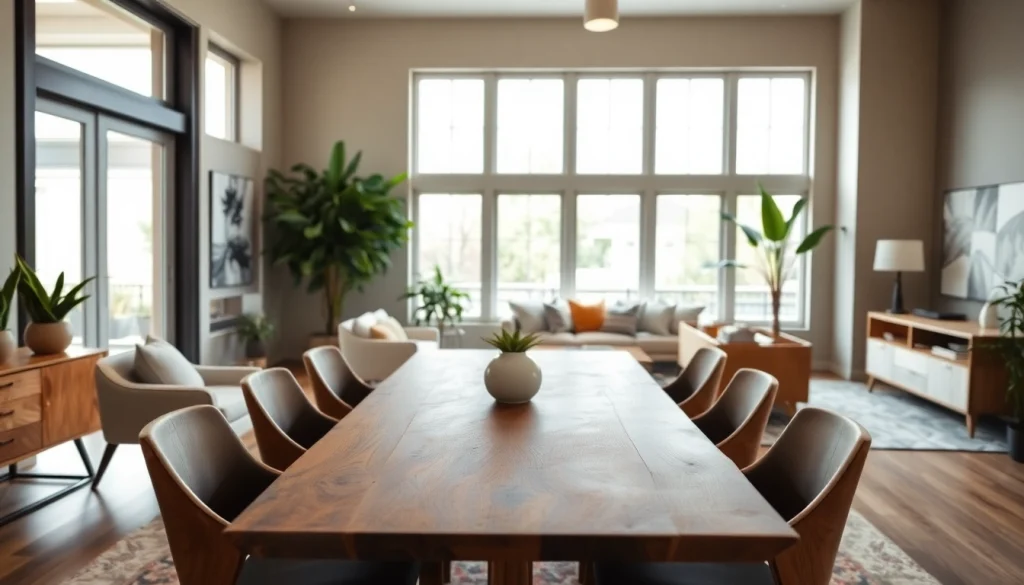
- Custom Tables: These can range from dining tables to coffee tables and side tables, often tailored to particular shapes, sizes, and finishes.
- Custom Seating: Including sofas, chairs, and benches that can be designed for comfort, style, and specific dimensions to fit better in given spaces.
- Custom Storage Solutions: Such as cabinets, bookshelves, and built-in units designed to maximize space efficiently.
- Custom Beds: Bed frames and headboards that can be uniquely designed to enhance bedroom decor while offering practical functionality.
- Custom Office Furniture: Designed to enhance productivity, including desks, shelves, and ergonomic chairs, catering to your specific workspace requirements.
Designing Your Ideal Custom Furniture
Planning Your Space for Custom Furniture
Effective planning is crucial when it comes to integrating custom furniture into your space. The initial step involves assessing the room dimensions, existing furniture, and overall layout. Start by measuring the space accurately and considering the flow of movement. This is often followed by sketching a basic floor plan to visualize where custom pieces would ideally fit.
Additionally, consider the room’s functionality; for example, if it’s a living room or a home office, ensure that the custom furniture allows for easy movement and does not overcrowd the area.
Selecting Styles and Finishes
Choosing the right style for custom furniture is often a balancing act between personal preference and existing decor. Popular styles include:
- Modern: Clean lines, minimalist aesthetics, and neutral colors characterize this style.
- Traditional: Elements that evoke classic design principles, featuring ornate details and timeless materials.
- Rustic: A focus on natural materials and a warm, inviting vibe typical of a countryside style.
- Industrial: Combining raw materials like metal and wood to achieve a contemporary, urban look.
Once a style is selected, choosing the right finish is paramount to achieving the desired aesthetic. Options range from natural wood stains to painted finishes, each contributing uniquely to the overall design language of your space.
Incorporating Functionality in Design
When designing custom furniture, function should never be compromised for style. It is essential to incorporate practical elements based on the intended use of the furniture. For instance:
- Consider including storage solutions in pieces like ottomans or coffee tables for added utility.
- Design office furniture with ergonomic principles in mind to enhance comfort and productivity.
- For dining tables, think about extending capabilities to accommodate larger gatherings.
Ultimately, the goal is to create furniture that not only looks great but also works effectively within your home.”
Custom Furniture Manufacturing Process
Understanding the Craftsmanship Behind Custom Furniture
The manufacturing process of custom furniture typically involves several key stages. This craftsmanship is the backbone of producing bespoke items that stand out in quality and uniqueness. A skilled artisan or craftsman closely collaborates with clients to ensure their vision is accurately translated into the final product.
Key Steps in the Production of Custom Furniture
The production of custom furniture typically follows a structured path:
- Consultation: Engaging with the client to understand their preferences, needs, and budget, alongside discussing materials and design concepts.
- Design: Crafting detailed design drawings or 3D models to provide clients with a visual representation of the finished product.
- Material Selection: Choosing appropriate materials based on design and functionality, such as wood type, hardware, and upholstery.
- Construction: Skilled craftsmen build the furniture, involving precise cutting, shaping, and assembly techniques.
- Finishing: Applying stains, paints, or protective coatings to enhance the aesthetic appeal and durability of the furniture.
- Quality Check: A thorough inspection to ensure that all aspects meet the desired standards before it is sent to the client.
Quality Assurance in Custom Furniture Making
The quality of custom furniture directly correlates with its longevity and satisfaction level. Quality assurance includes ensuring the durability of materials, the precision of construction, and the integrity of finishes. Clients can often be involved in this stage, giving feedback or approval on samples before full production.
Budgeting for Custom Furniture
Factors Affecting the Cost of Custom Furniture
The cost of custom furniture can vary widely based on several factors, including:
- Material Choices: High-quality woods and eco-friendly materials tend to raise costs.
- Design Complexity: More intricate designs require more labor and time, raising the price.
- Size: Larger pieces or sets naturally increase costs due to more materials and labor involved.
- Brand Reputation: Renowned craftsmen or brands might charge a premium for their expertise and recognition.
Tips for Staying Within Your Budget
When budgeting for custom furniture, keeping costs manageable is crucial. Here are a few strategies:
- Clearly outline your budget before consultation and communicate this with your craftsman.
- Be flexible with materials; suggesting alternatives can help lower costs without compromising quality.
- Prioritize your needs – focus on what you truly require for functionality first, then add aesthetics as the budget allows.
- Consider phased purchasing; instead of outfitting an entire room at once, spread it over time as budget allows.
The Value of Investing in Custom Furniture
While custom furniture may represent a higher initial investment, its long-term value is often exemplary. Such pieces typically last much longer than their mass-produced counterparts, thanks to quality craftsmanship and durable materials. They also offer unparalleled uniqueness and personalization, which can keep your living space timelessly relevant and aesthetically pleasing.
Maintaining and Caring for Your Custom Furniture
Cleaning Tips for Different Materials
To maintain the aesthetics and longevity of custom furniture, proper care is essential. Here are general cleaning tips for different materials:
- Wood: Use a soft, dry cloth or a microfiber cloth for dusting. Regularly apply furniture polish to maintain shine and protection.
- Upholstery: Vacuum regularly to prevent dust buildup. For stains, act quickly and use suitable cleaning solutions according to the fabric type.
- Metal: Wipe down with a damp cloth and dry immediately. Avoid using abrasive scrubbers that can scratch the surface.
Preventing Damage to Custom Furniture
Preventive care is key to ensuring the longevity of custom furniture. Here are some strategies:
- Place coasters under drinks to avoid rings and stains on surfaces.
- Use protective pads under decorative items to prevent scratches.
- Be mindful of exposure to sunlight, which can fade materials over time; arrange seating to avoid direct light.
- Regularly check and tighten any loose hardware to maintain stability.
When to Seek Professional Restoration or Repairs
Even with diligent care, wear and tear may occur over time. It’s essential to know when to seek professional help:
- If you notice structural damage or instability in the furniture.
- For severe stains or damage that cleaning methods cannot remedy.
- When upholstery needs replacement or repair due to wear.