The Basics of Structural Steel Construction
Structural steel construction stands as a cornerstone of modern architecture, engineering, and construction, integrating strength with versatility. Comprised primarily of iron, structural steel possesses unique material properties that allow it to support immense loads while maintaining a relatively lightweight profile. This balance is pivotal in various applications, from skyscrapers to bridges, providing durability and maintaining safety.Structural steel construction encompasses diverse elements and methodologies that contribute to its enduring prominence in the construction industry.
Understanding Structural Steel: Material Properties
The fundamental characteristics of structural steel can be attributed to its chemical composition. The primary alloying elements in steel include iron and carbon, with carbon content typically ranging from 0.1% to 2.0%. This variation influences the steel’s strength, ductility, and weldability. Structural steel can be categorized into various grades, each tailored for specific engineering requirements. For instance, mild steel, with a carbon content between 0.2% and 0.3%, is preferable for purposes that require significant ductility, while higher carbon steels are utilized for applications demanding greater strength.
Another essential property is the steel’s ability to withstand tensile and compressive forces. Tensile strength is crucial in applications where stretching is prevalent, and structural steel’s high tensile strength allows it to bear substantial weight loads without elongating. Similarly, compressive strength is vital in applications like columns in buildings, where the material is subjected to downward forces and must resist buckling.
Additionally, the thermal expansion of steel must be considered. Structural steel expands when heated. Engineering designs typically incorporate this characteristic to prevent structural damage during temperature fluctuations, especially in regions experiencing significant seasonal changes.
Common Applications of Structural Steel Construction
Structural steel is integral to many structures, influencing the functionality and aesthetics of buildings and infrastructure. Its resilience and adaptability make it suitable for various applications, including:
- High-Rise Buildings: Structural steel is commonly used in the construction of skyscrapers due to its strength-to-weight ratio, allowing architects to design taller and more innovative structures.
- Bridges: The durability of structural steel makes it ideal for bridge construction, providing a resilient framework capable of supporting heavy vehicular traffic and withstand environmental pressures.
- Industrial Facilities: Warehouses, factories, and power plants benefit from structural steel constructions, which can support extensive machinery and adapt to various operational requirements.
- Residential Buildings: An increasing trend in residential construction includes the use of structural steel due to its design flexibility and durability.
The Importance of Structural Steel Standards
Adhering to structural steel standards ensures safety, quality, and interoperability within the industry. Organizations such as ASTM International and the American Institute of Steel Construction (AISC) set rigorous guidelines that govern the manufacturing, testing, and application of structural steel. These standards define everything from material properties to fabrication methods and inspection processes.
Such regulations not only ensure that structural steel components meet safety and performance criteria but also promote consistency across projects. Compliance with these standards is essential in achieving certification for buildings and infrastructure, establishing trust among engineers, contractors, and clients.
Design Considerations for Structural Steel Construction
The design phase of structural steel construction is critical to the overall integrity and functionality of any project. Several factors influence the design process, demanding careful consideration from engineers and architects alike.
Integrating Design and Functionality
The intersection of design and functionality is at the heart of structural steel construction. Aesthetic preferences must align with engineering requirements to ensure that the final structure not only looks appealing but also performs efficiently. For instance, architects can achieve desired forms and lines using structural steel due to its inherent strength and versatility.
Moreover, collaboration between architects and structural engineers is crucial. Through early engagement, both parties can explore innovative design solutions while considering the load-bearing capacities and potential limitations of the material. Utilizing software for 3D modeling and structural analysis can facilitate this collaborative effort, enabling immediate adjustments to designs based on real-time data.
Load-Bearing Calculations in Structural Steel Construction
Accurate load-bearing calculation is fundamental in ensuring that structural steel components perform under stress without failure. Engineers must account for various loads, including:
- Dead Loads: The weight of the structure itself, including floors, roofs, and permanent fixtures.
- Live Loads: Temporary loads, such as human occupancy and movable objects.
- Environmental Loads: Factors such as wind, snow, and seismic forces must be calculated based on the geographic location.
Using design codes, engineers can determine the appropriate steel sections to withstand these loads while maintaining efficiency in terms of material usage and costs. The methodology includes identifying load paths and using software simulations to predict how loads transfer through the structure.
Choosing the Right Steel Grades
Selecting the appropriate steel grade is crucial in optimizing the performance of structural components. Various grades, such as A36, A992, and high-strength low-alloy steels, offer distinct properties suitable for specific applications.
For example, A36 is a common choice for buildings due to its excellent weldability and versatility, while A992 is preferred for structural beams in high-rise buildings owing to its superior strength characteristics. Engineers must weigh factors such as load requirements, environmental conditions, and budget constraints when determining the suitable steel grade.
Construction Methods in Structural Steel Construction
As the structural steel construction landscape evolves, so do the methods employed to ensure efficiency and safety on job sites. An understanding of traditional and modern techniques is essential for anyone involved in the industry.
Traditional vs. Modern Techniques
Historically, traditional construction methods involved considerable manual labor and craftsmanship, leading to longer project timelines. Techniques often relied on building components on-site, where workers assembled steel frames piece by piece.
In contrast, modern techniques leverage technology to enhance project efficiency. Prefabrication and modular construction have emerged, allowing components to be manufactured off-site and transported for quick assembly. This method minimizes material waste, reduces construction time, and improves overall safety, as workers face fewer hazards associated with working at heights.
Safety Protocols on Structural Steel Construction Sites
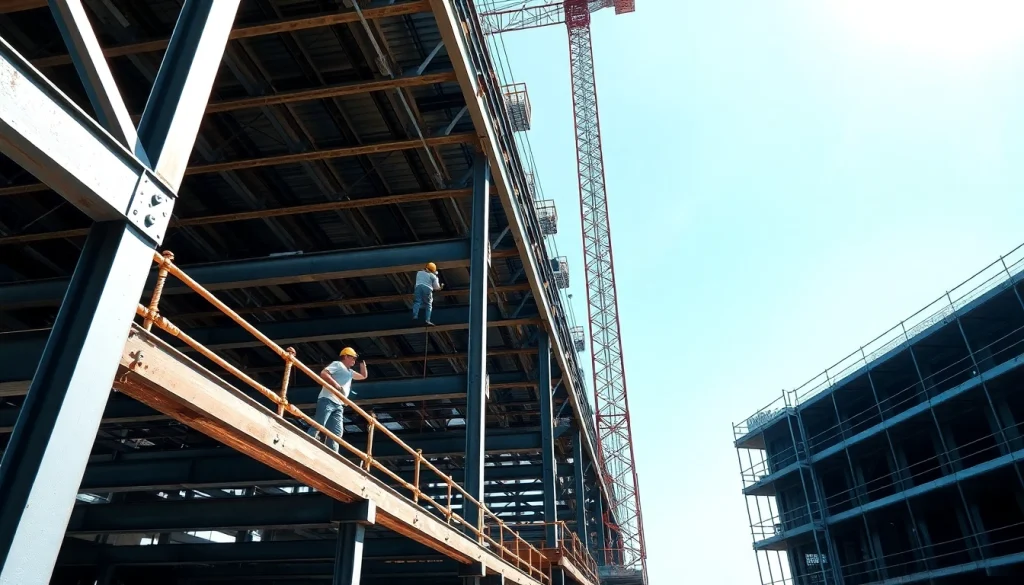
Safety remains paramount in structural steel construction due to the inherent risks associated with working at elevated heights and handling heavy materials. Adopting a culture of safety and establishing protocols are necessary to minimize accidents and injuries.
Common safety measures include:
- Wearing personal protective equipment (PPE), such as helmets, harnesses, and steel-toed boots.
- Conducting regular safety training sessions to ensure all workers are aware of potential hazards.
- Implementing fall protection systems and ensuring scaffolding is properly secured.
Incorporating safety protocols into daily practices fosters a safer work environment, enhancing productivity and morale on-site.
Tools and Equipment Used in Steel Construction
The effective execution of structural steel construction relies heavily on specialized tools and equipment. Essential items include:
- Cranes: Essential for lifting and positioning heavy steel beams during assembly.
- Welding Equipment: Used to join steel components, ensuring structural integrity.
- Drills and Cutters: Vital for customizing steel sections and creating connections.
- Safety Gear: Including helmets, harnesses, and gloves, ensuring worker protection throughout projects.
Investing in quality tools and regular maintenance ensures the smooth operation of construction activities, ultimately contributing to project success.
Environmental Impact of Structural Steel Construction
As the construction industry continues to evolve, the environmental implications of structural steel construction are of growing concern. Addressing these impacts is essential for sustainable development.
Sustainable Practices in Structural Steel Construction
Incorporating sustainable practices into structural steel construction minimizes the environmental footprint while maximizing material efficiency. Strategies include:
- Designing for Durability: Structures should be designed to last, utilizing steel’s longevity and resistance to corrosion.
- Energy-Efficient Designs: Employing passive solar heating, natural ventilation, and other energy-saving techniques can reduce a building’s overall energy consumption.
- Green Certifications: Acquiring certifications such as LEED ensures projects meet sustainability benchmarks, providing numerous benefits including increased marketability and potential tax advantages.
Recycling and Reusing Steel Materials
Steel is one of the most recycled materials globally, with significant percentages of steel produced from recycled sources. This recycling process not only conserves natural resources but also reduces energy consumption and greenhouse gas emissions associated with steel production.
Moreover, the design of buildings using reusable steel components promotes a circular economy. As structures are deconstructed, the materials can be repurposed for new projects, thus minimizing waste.
Innovations for Eco-Friendly Steel Production
Innovations in steel production are critical in reducing its environmental impact. Advanced technologies such as electric arc furnaces (EAF) allow for the efficient melting of recycled scrap steel with significantly lower energy consumption compared to traditional blast furnaces.
Additionally, research into alternative raw materials and processes, including using hydrogen in place of carbon for steelmaking, presents promising avenues toward reducing carbon emissions in the steel industry. Adopting these methods promotes sustainability within the structural steel construction framework.
The Future of Structural Steel Construction
The future of structural steel construction is rife with possibilities as the industry embraces innovation and evolving technologies. Aspiring professionals and stakeholders must stay attuned to emerging trends and challenges to remain competitive.
Emerging Trends and Technologies
Recent developments in structural engineering technology are reshaping how construction projects are executed. Key trends include:
- Building Information Modeling (BIM): This advanced modeling method enables the creation of digital representations of physical and functional characteristics, allowing for enhanced collaboration and precision throughout a project’s lifecycle.
- 3D Printing: Though still in nascent stages, 3D printing technologies are being explored for constructing complex steel structures, reducing waste and improving design flexibility.
- Smart Materials: Incorporating sensors within structural steel can provide real-time data about the integrity and performance of structures, allowing for proactive maintenance and safety checks.
The Role of Prefabrication in Structural Steel Projects
Prefabrication is revolutionizing how structural steel projects are completed, reducing on-site labor and construction timelines. By manufacturing components off-site, builders can ensure higher quality control and expedite the assembly process.
This method is particularly advantageous in urban environments where minimizing disruption is crucial. Moreover, prefabricated elements often come with precision cut connections, reducing the likelihood of errors during assembly.
Future Challenges in the Structural Steel Construction Industry
Despite the promising future of structural steel construction, the industry faces numerous challenges. These include:
- Labor Shortages: The construction sector is experiencing a talent gap, with a shortage of skilled workers in steel fabrication and construction.
- Rising Material Costs: Fluctuations in raw material prices can affect project budgets, forcing teams to adapt quickly.
- Environmental Regulations: As sustainability regulations tighten, companies must adapt to comply with new standards while balancing costs and project timelines.
Addressing these challenges requires strategic planning, investment in workforce development, and a commitment to innovation in practices.