
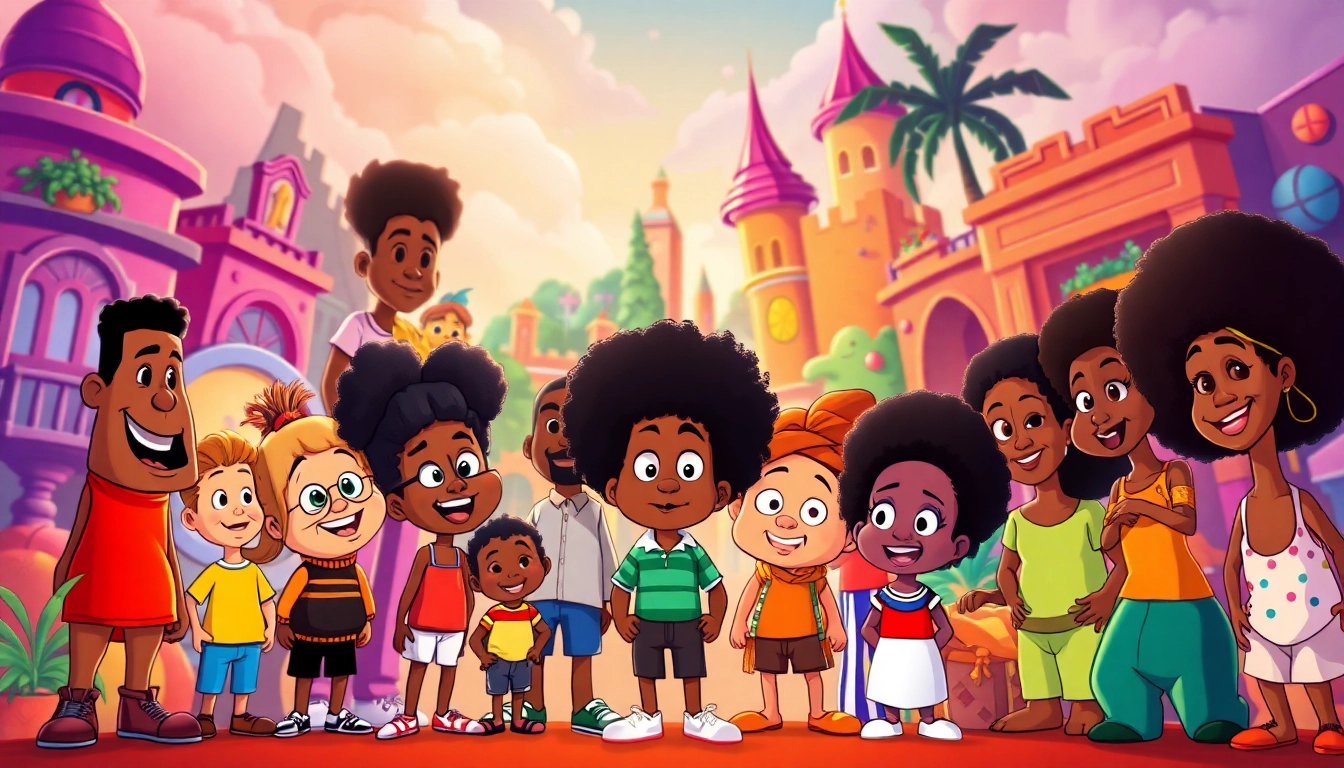
The Cultural Impact of African American Cartoons
African American cartoons have played a significant role in shaping cultural narratives, fostering representation, and challenging stereotypes within the animation industry. From the pioneering works of the early 20th century to contemporary hits, these animated series have transcended mere entertainment; they have become vital platforms for storytelling that aligns with the African American experience. African American Cartoons not only entertain but also educate audiences about diverse cultures and histories, making them integral to American pop culture.
Historical Context and Evolution
The journey of African American cartoons began in the mid-20th century, with significant milestones marking their evolution. Early depictions were often steeped in racial stereotypes, leading to a long-overdue critique of representation in media. Shows like “Fat Albert and the Cosby Kids,” which premiered in 1972, played a pivotal role in shifting this narrative. Bill Cosby, the creator, aimed to present a positive image of African American youth, tackling social issues while providing relatable characters that resonated with audiences of all backgrounds.
As the animation landscape evolved, so too did the portrayal of Black characters. The 1990s saw a rise in innovative series such as “The Proud Family” and “The Boondocks,” which pushed boundaries through humor and satire. These shows not only entertained but challenged viewers to confront societal issues, blending cultural commentary with storytelling in a way that appealed to both children and adults.
Significant Contributions to Animation
African American creators have significantly influenced the animation industry with their unique perspectives and storytelling approaches. The rise of platforms like Adult Swim allowed for adult-oriented animations that explored themes of identity and culture in ways not previously seen. “The Boondocks,” for instance, adapted Aaron McGruder’s comic to offer a biting critique of race relations in America, becoming a cultural touchstone.
Notably, the contributions of artists and animators such as Bruce W. Smith, the creator of “The Proud Family,” have enriched the field. Smith’s work highlights the importance of representation, as it allows for narratives that reflect diverse experiences and fosters understanding among viewers of all races.
Representation and Diversity in Media
The representation of African Americans in cartoons has evolved from caricatures to complex characters with relatable stories. This shift is essential, as representation in media directly influences societal perception and understanding of different cultures. Studies have shown that children who engage with diverse media are more likely to develop empathy and a better understanding of cultural differences.
Today, series such as “Craig of the Creek” and “Doc McStuffins” feature Black protagonists, reinforcing the notion that children of all backgrounds can see themselves reflected in the media they consume. As a result, these programs are more than entertainment; they serve as educational tools that instill values of inclusivity and respect from a young age.
Popular African American Cartoons in 2026
Top Trending Shows to Watch
As we look into 2026, several African American cartoons are making waves in the industry. “The Proud Family: Louder and Prouder” has returned with a fresh take on family dynamics while addressing contemporary issues such as social justice and identity. Following closely is “Young Justice,” which remains a favorite among fans for its complex storytelling and diverse representation.
New entrants like “Duncanville,” co-created by Amy Poehler, are gaining attention for their unique blend of humor and relatable scenarios, showcasing everyday life through the lens of a Black male teenager. Each of these shows contributes to a broader dialogue about race and representation, proving that animated series can be both entertaining and enlightening.
Character Analysis and Development
The characters within these cartoons serve as vehicles for storytelling that resonates deeply with audiences. For instance, Penny Proud from “The Proud Family” embodies the struggles of adolescence while showcasing the importance of cultural heritage and family values. Similarly, Huey and Riley Freeman from “The Boondocks” are significant for their contrasting views on race, identity, and activism, making them memorable figures in animation history.
The depth of character development in these series is reflective of real-world complexities, allowing viewers to relate to their challenges and triumphs. This connection fosters a sense of belonging and understanding, especially for young viewers grappling with their identities.
Viewer Reception and Critical Acclaim
The viewer reception of African American cartoons has consistently highlighted their impact on society. Shows that tackle serious issues are often met with critical acclaim, reinforcing the idea that animation can be a powerful medium for change. “The Boondocks,” for example, has received numerous awards for its insightful commentary on race relations, while “Doc McStuffins” has been praised for its portrayal of a young Black girl in a medical profession, inspiring a new generation of future doctors.
Critics have emphasized the importance of these shows not just as entertainment but as catalysts for conversations around race, culture, and identity, ultimately contributing to social change.
How African American Cartoons Influence Young Audiences
Positive Role Models in Animation
Positive representation in media is crucial for young audiences. African American cartoons provide relatable role models that inspire children to dream and aspire for greatness. Characters like Doc McStuffins, who aspires to be a doctor, and Penny Proud, who navigates the complexities of adolescence, serve as examples of resilience and determination.
These role models help children of all backgrounds see the potential within themselves, highlighting that success is achievable regardless of race or ethnicity. This form of representation empowers children to confront stereotypes and strive for their goals.
Educational Benefits of Diverse Cartoons
Beyond entertainment, African American cartoons offer educational value by introducing children to concepts of diversity and empathy. Series that incorporate cultural themes often include educational elements that teach kids about history, social issues, and emotional intelligence. For instance, many episodes of “The Proud Family” focus on themes like family unity and respect for culture, promoting discussion among viewers.
Various studies underscore the educational advantages of diverse content, revealing that children exposed to a variety of cultures through media tend to develop better critical thinking skills and a broader worldview.
Encouraging Creativity and Inspiration
The creativity depicted in African American cartoons encourages young viewers to express themselves artistically. Vibrant storytelling and unique character designs inspire children to engage with art and storytelling, which can lead to the exploration of their creative talents. Shows often integrate music, dance, and visual arts, promoting an appreciation for multifaceted forms of expression.
As children see characters who look like them in creative fields, such as animation and music, they are motivated to pursue their interests, fostering the next generation of artists, writers, and creators.
The Future of African American Cartoons
Emerging Trends for 2026 and Beyond
The landscape of African American cartoons is evolving with the emergence of new trends in storytelling and animation. With streaming services dominating the industry, there is an increasing demand for diverse content that speaks to underrepresented audiences. This shift allows for more nuanced storytelling that goes beyond traditional narratives, embracing themes such as intersectionality and global perspectives.
Additionally, the use of technology in animation is expanding, allowing creators to experiment with different types of storytelling, such as virtual reality and interactive animations, enhancing viewer engagement.
Innovative Storytelling Techniques
As we move forward, innovative storytelling techniques are coming to the forefront of African American cartoons. These include blending live-action with animation, as seen in “Rugrats,” and utilizing different animation styles to convey emotional depth. This experimentation not only redefines the viewer’s experience but also allows for more creative freedom in how stories are told.
Furthermore, with advancements in AI and machine learning, there is potential for personalized content that resonates more deeply with individual audiences, making the viewing experience richer and more meaningful.
Impact of Streaming Services on Content Creation
The rise of streaming platforms has revolutionized how African American cartoons are created and consumed. Services like Netflix and Hulu are investing in diverse narratives, providing a space for creators to share their stories without the constraints of traditional television networks. This democratization of content creation encourages more voices to bring their stories to life, fostering an environment where African American narratives can thrive.
Moreover, streaming services enable easier access to a wider range of cartoons, allowing viewers to discover titles they might not have encountered otherwise, further diversifying the media landscape.
Creating Content for the Next Generation
Best Practices for Young Animators
For aspiring animators looking to make their mark in the industry, understanding the landscape of African American cartoons is crucial. They should focus on storytelling that prioritizes authenticity and cultural richness. Engaging with communities and understanding their narratives can lead to more meaningful content that resonates with diverse audiences.
Additionally, collaboration with seasoned professionals can provide valuable insights into the industry, enhancing creative skills while fostering a spirit of mentorship within the community.
Supporting Diversity in Animation
Supporting diversity in animation is imperative for creating a more inclusive landscape. Encouraging studios to seek out diverse voices in the writing and production process can lead to richer stories that reflect a variety of experiences. Organizations that advocate for representation, such as Women in Animation and The Black Artists & Filmmakers, play a crucial role in driving this change.
Moreover, investing in programs that provide access to animation education for underrepresented youth can help cultivate the next generation of diverse storytellers and artists.
Resources for Aspiring Creatives
Numerous resources exist for aspiring animators and creatives eager to explore African American representation in cartoons. Online platforms that offer courses in animation, storytelling, and cultural studies can be invaluable for honing skills and understanding the nuances of representation. Networks such as the Animation Guild and the Black Animation Network provide opportunities for mentorship and collaboration, fostering community among creators.
Furthermore, attending film festivals that showcase diverse content, such as the African American Film Festival and the Black Women Film Network, can provide exposure to innovative works and inspire future projects.