
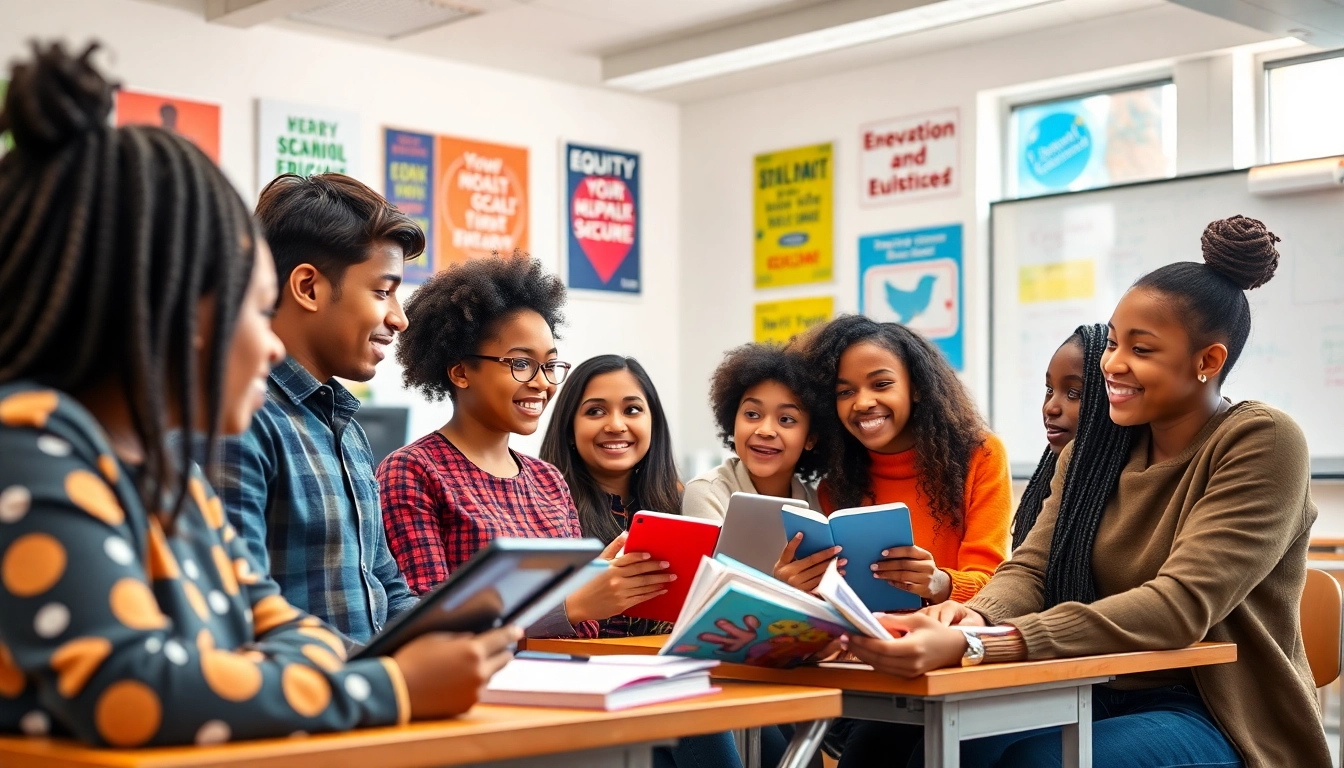
Understanding Education Equity
Education equity is a fundamental principle that emphasizes equality in educational access, resources, and opportunity. It recognizes that each student should receive the necessary support and resources tailored to their unique needs to succeed academically and socially. As Dr. Matthew Lynch advocates, addressing education equity is crucial for fostering an inclusive society where all individuals have the opportunity to thrive. When exploring options, education resources can provide comprehensive insights into developing equitable practices in schools.
What is Education Equity?
Education equity involves creating a fair academic landscape where every student, regardless of their background, has the opportunity to learn and succeed. This might mean providing additional resources to students from low-income families or ensuring that students with disabilities receive appropriate accommodations. The goal is to remove barriers and provide equal opportunities for success.
The Importance of Inclusive Learning Environments
Inclusive learning environments are vital for fostering education equity. They allow students from diverse backgrounds to learn alongside one another, promoting understanding and respect. Implementing inclusive practices helps create a sense of belonging for all students, which can significantly impact their academic performance. Schools must prioritize training for teachers to create such environments.
Key Concepts in Education Reform
Education reform is essential for achieving equity. It involves comprehensive changes aimed at improving educational systems, policies, and practices. Key concepts include:
- Differentiated Instruction: Tailoring teaching methods to accommodate different learning styles.
- Social-Emotional Learning: Integrating emotional intelligence and social skills into the curriculum.
- Restorative Justice Practices: Addressing conflicts and behavioral issues through constructive dialogue instead of punitive measures.
Innovative Approaches in Education
Innovation is at the heart of transforming education systems. Various modern strategies are being employed to engage students and enhance learning outcomes.
Technology in the Classroom: Enhancing Learning
The integration of technology in classrooms has revolutionized education. Tools like interactive whiteboards, learning management systems, and online resources enable educators to create engaging lessons. Moreover, technology can facilitate personalized learning experiences, allowing students to progress at their own pace. Educational software can help identify gaps in knowledge, allowing teachers to provide targeted support.
Project-Based Learning: Bridging Theory and Practice
Project-based learning (PBL) encourages students to engage in real-world problem-solving. By working on projects that reflect genuine issues within their communities, students not only acquire knowledge but also develop critical thinking and collaboration skills. This hands-on approach fosters deeper understanding and retention of information.
Community Involvement in Education Reform
Involving the community in educational initiatives can significantly enhance reform efforts. Community members bring diverse perspectives and resources, fostering a collaborative environment that benefits students. Schools can partner with local organizations, businesses, and families to create comprehensive support systems that extend beyond the classroom.
Barriers to Effective Education Reform
Identifying and addressing barriers is crucial for successful education reform. Several challenges hinder progress in achieving equity.
Identifying Common Challenges in Schools
Challenges such as underfunding, high teacher turnover rates, and insufficient resources create significant barriers to effective education reform. Schools often struggle to implement new initiatives without the necessary financial support or training. Understanding these challenges is the first step toward developing sustainable solutions.
Addressing Socioeconomic Disparities
Socioeconomic disparities play a critical role in education inequality. Students from low-income households often lack access to essential resources, including technology, tutoring, and extracurricular activities. Schools must advocate for increased funding and community support to level the playing field.
Combating Resistance to Change in Educational Institutions
Resistance to change can be a significant obstacle. Many educational institutions are steeped in tradition, and staff may be hesitant to adopt new methods. Building a culture of openness and continuous improvement is essential to encourage innovation and adaptation in schools.
Strategies for Successful Implementation
Implementing successful education reforms requires thoughtful strategies and commitment from all stakeholders involved.
Best Practices for Educators and Administrators
Educators and administrators should embrace data-driven decision-making to identify areas for improvement within their institutions. By using assessment data to inform practices, schools can make more effective changes. Additionally, ongoing professional development for teachers will equip them with the skills needed to succeed in an evolving educational landscape.
Measuring Success in Education Initiatives
Measuring the success of education initiatives is vital for assessing their impact. Schools should establish clear metrics for student achievement and engagement, regularly reviewing progress. This data can guide future reforms and ensure that efforts remain aligned with their equity goals.
Creating a Culture of Continuous Improvement
Fostering a culture of continuous improvement within schools encourages staff to seek innovative solutions and share best practices. Regular feedback loops, peer observations, and collaborative planning sessions can facilitate a shared commitment to improvement among teachers and administrators.
Future Trends in Education for 2026
As we look toward 2026, several trends are emerging that will shape the educational landscape.
Emerging Technologies Shaping Education
Technological advancements will continue to influence education in profound ways. Artificial intelligence, virtual reality, and augmented reality are poised to transform how students learn and interact with content. These tools can provide immersive learning experiences that traditional classrooms cannot.
Predictions for the Next Decade in Education
Predictions indicate a shift towards personalized and competency-based education. Students may progress based on mastery of skills rather than age or grade level. This approach can better accommodate individual learning paces and styles, promoting equity.
How to Prepare for Changes in the Educational Landscape
To prepare for these impending changes, educational institutions should prioritize adaptability. Emphasizing lifelong learning for both students and educators will be essential as new trends and technologies emerge. Building resilience and flexibility into curriculums and teaching practices will allow schools to respond effectively to future challenges.