Understanding Fly Fishing Kits
What is a Fly fishing kit?
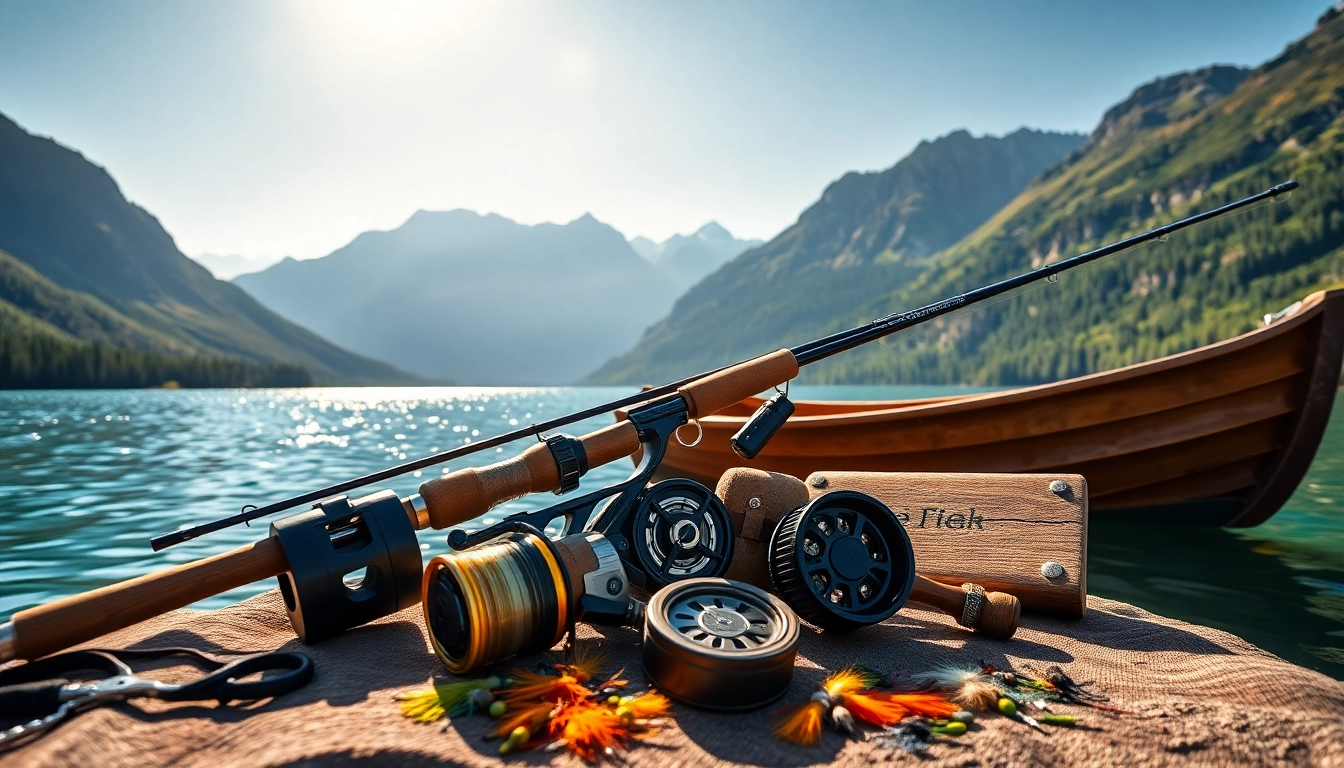
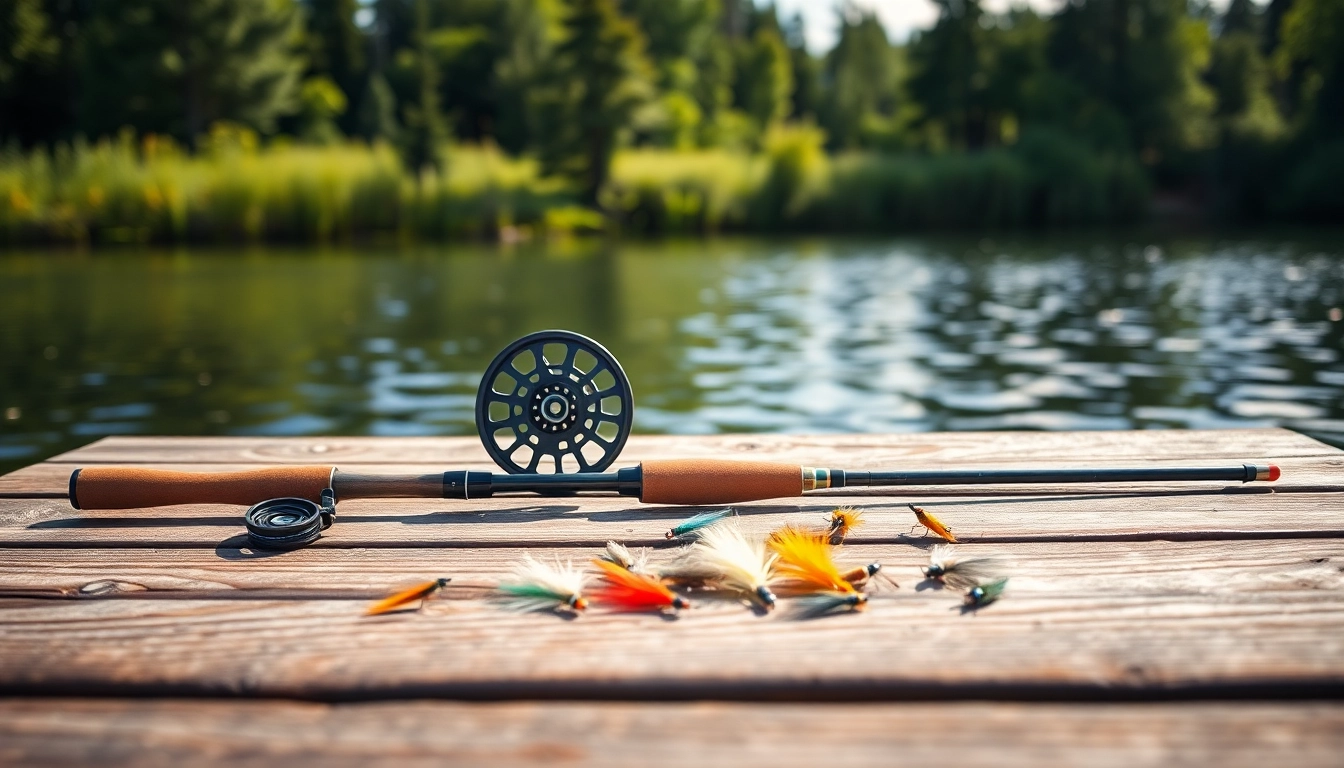
A Fly fishing kit is a thoughtfully assembled package that includes all the necessary equipment needed to start fly fishing. These kits are designed to offer convenience and affordability, catering especially to beginners who may not know where to begin with individual components. Typically, they contain a fly rod, reel, line, flies, and other essential accessories such as tippet and leader line, allowing anglers to step right onto the water with confidence.
Components of a Fly fishing kit
Each Fly fishing kit varies slightly, but the core components typically include:
- Fly Rod: The rod’s length and action are critical for performance—longer rods for casting distance, shorter ones for tight spaces.
- Fly Reel: This holds the line and allows the angler to easily manipulate their catch during fights.
- Fly Line: A specialized line designed to float or sink as needed. Its weight is crucial for casting.
- Leader and Tippet Line: These lines connect flies to the main line and often come in varying thickness and length.
- Flies: Imitations of local insects or bait that attract fish. Kits often include a selection tailored to target species.
- Accessories: Items like nippers, forceps, and fly boxes enhance the fishing experience.
Why Use a Fly fishing kit?
Using a Fly fishing kit simplifies the process of getting into the sport. Here are several compelling reasons to consider a kit:
- Convenience: No need to research each component, as everything is included and pre-matched.
- Cost-Effective: Buying components separately can be expensive; kits offer savings.
- Best for Beginners: They provide everything needed to get started, helping newbies avoid overwhelming choices.
- Quality Assurance: Kits are typically curated based on quality, ensuring that various gear works well together.
Choosing the Perfect Fly Fishing Kit
Beginner considerations for Fly fishing kit
When selecting a Fly fishing kit, beginners should consider their fishing goals, the environment, and personal comfort preferences. Here are some points to keep in mind:
- Species Targeted: Determine what fish you’ll be targeting—trout, bass, or others—and select a kit equipped for that.
- Location: Different locations require different setups, so know whether you’ll be fishing in lakes, rivers, or streams.
- Ease of Use: Kits specifically designed for beginners tend to have straightforward setups and instructional material.
Fly fishing kit weight options
Choosing the correct weight class for your Fly fishing kit is essential since it influences casting distance and accuracy. Common weights include:
- 3wt: Ideal for small streams and panfish.
- 5wt: The most versatile; suitable for trout and general use.
- 8wt – 10wt: Recommended for larger freshwater species and saltwater fishing.
Essential accessories included in a Fly fishing kit
A well-rounded Fly fishing kit should also include various essential accessories, which enhance the overall fishing experience:
- Fly Box: For organizing and storing flies.
- Nippers: Used to cut line for quick adjustments.
- Forceps: Handy for unhooking fish safely.
- Floatant: Helps flies float on water surface naturally.
Usage Tips for Your Fly Fishing Kit
Setting Up Your Fly fishing kit
Proper setup is critical to success with your Fly fishing kit. Here’s a step-by-step guide:
- Assemble the rod according to the manufacturer’s instructions.
- Attach the fly reel to the rod and ensure it’s secured.
- Thread the fly line through the guides starting from the tip down.
- Attach the leader line to the fly line, using a strong knot.
- Connect the tippet to the leader and then link your selected fly.
Basic Techniques to Master
Once your Fly fishing kit is set up, learning essential techniques can enhance your enjoyment:
- Casting: Practice various casts like roll casts and overhead casts.
- Presentation: Aim to present your fly naturally to mimic real prey.
- Setting the Hook: A quick, upward movement of the rod is key when a fish strikes.
Caring for Your Fly fishing kit
Regular maintenance extends the life of your Fly fishing kit. Follow these best practices:
- Rinse: Clean your rod and reel with fresh water after use, especially in saltwater.
- Store Properly: Keep your kit stored in a cool, dry place, avoiding extreme temperatures.
- Inspect: Regularly check for any damage or wear on lines and reels.
Common Mistakes When Using a Fly Fishing Kit
Overlooking Gear Quality
One common pitfall is equating a low-cost Fly fishing kit with value. While saving money is appealing, poor-quality gear can lead to frustrating experiences.
Ignoring Fishing Conditions
Another frequent mistake is not adjusting your tactics to fit the fishing environment. Always consider factors such as water temperature and weather phenomena when planning your fishing day to enhance success.
Not Practicing Regularly
Lastly, many novices overlook the necessity of practice. Mastering casting techniques promotes greater effectiveness when on the water, so allocate time regularly to practice.
Frequently Asked Questions about Fly Fishing Kits
What should a beginner look for in a Fly fishing kit?
Beginners should prioritize kit completeness, ease of use, quality, and included instructional materials to facilitate learning.
Are expensive Fly fishing kits worth the investment?
Higher-priced kits often provide better quality components and materials, leading to a more enjoyable experience and potentially better performance in the long run.
Can I use a Fly fishing kit for other types of fishing?
While primarily designed for fly fishing, specific components like rods and reels can be used in light tackle fishing under appropriate conditions.
How do I choose the right rod with my Fly fishing kit?
Choose a rod that aligns with the type of fish you plan to target and the environment; consider length and weight for optimal performance.
What accessories should I add to my Fly fishing kit?
Consider adding floatant, a good fly box, strike indicators, and additional flies specific to the species you’re targeting for an optimized fishing experience.