Introduction to Sliding Door Shower Screen
In today’s bathroom designs, optimizing space without compromising style is vital. One of the most popular solutions is the sliding door shower screen. These screens not only enhance the aesthetic appeal of your bathroom but also provide practical benefits that can transform your showering experience.
What is a sliding door shower screen?
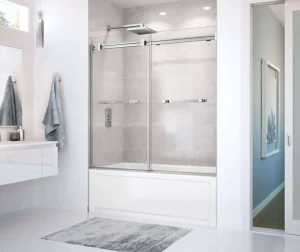
A sliding door shower screen is a type of shower enclosure that comprises one or more panels that slide open and closed, similar to a sliding glass door. This design allows for efficient use of space, making them perfect for smaller bathrooms where every inch is valuable. Typically constructed from glass and supported by a frame (or frameless), these screens offer both functionality and an element of elegance to the bathroom.
Benefits of using a sliding door shower screen
- Space Efficiency: Unlike traditional hinged doors, sliding screens do not require additional room to swing open. This makes them ideal for tight spaces where clearance is limited.
- Easy Accessibility: Sliding doors operate smoothly along a track, allowing for effortless entry and exit from the shower, which is particularly beneficial for elderly users or those with mobility challenges.
- Modern Aesthetic: The sleek lines and glass transparency of sliding shower screens enhance the contemporary look of bathrooms, creating a sense of openness and light.
- Water Containment: When properly installed, sliding shower screens effectively contain water, minimizing the risk of spills onto bathroom floors.
Common materials used in sliding door shower screens
Sliding door shower screens are typically crafted from several materials, with the most common being:
- Tempered Glass: Known for its strength and safety features, tempered glass is heat-treated to withstand high temperatures. It shatters into small pieces rather than sharp shards, making it safer for use in residential bathrooms.
- Framing Materials: While some screens utilize a complete glass design, others feature a metal frame, commonly made from aluminum or stainless steel, which adds durability and aesthetic appeal.
- Plastic: In some designs, especially budget-friendly options, acrylic or polycarbonate panels may be used instead of glass, offering a lightweight, affordable alternative.
Key Features to Consider
Size and dimensions for your space
Choosing the right size for your sliding door shower screen is crucial, as it should fit the space without overpowering the surrounding area. It’s essential to accurately measure the available wall space and account for elements such as existing plumbing and fixtures. Standard sizes range from 48 inches to 72 inches wide, but custom options are also available to accommodate unique layouts.
Framed vs. frameless options
When selecting a sliding door shower screen, you can choose between framed and frameless designs. Framed screens offer a more traditional look, with metal tracks and edges surrounding the glass panels. They are usually more affordable and easier to install. In contrast, frameless options provide a sleek, modern aesthetic and are often perceived as more luxurious. However, they may come at a higher price point and require careful installation to ensure safety and durability.
Operating mechanisms and ease of use
The mechanism for operating sliding door shower screens can vary significantly, impacting ease of use. Look for systems that use high-quality rollers and tracks for smooth operation. Some advanced models feature double sliding doors that allow for quick access from both sides, enhancing convenience in shared bathrooms.
Installation Process of Sliding Door Shower Screen
Preparing your bathroom
Before installation, it’s crucial to assess the existing bathroom layout to ensure that a sliding door shower screen is the best option. Check that there is enough space for installation, as well as for the doors to slide open and closed without obstruction. You may need to make adjustments to the plumbing or flooring for optimal placement.
DIY vs. professional installation
While some homeowners may opt for a DIY installation to save costs, professional installation can ensure that the job is done correctly and safely. Factors to consider include your comfort level with DIY home projects, the complexity of the installation, and whether you have the necessary tools. Hiring a professional can also provide peace of mind with warranties on the installation work.
Maintenance tips for longevity
To extend the lifespan of your sliding door shower screen, regular maintenance is essential. Here are some tips:
- Keep it Clean: Regularly wipe down the glass with a squeegee or soft cloth after each use to prevent water spots and soap scum buildup.
- Check for Damage: Periodically check the tracks and rollers for wear. Lubricate them with a silicone-based product if needed to ensure smooth operation.
- Sealant Maintenance: If your screen has a rubber seal, inspect it regularly and replace it if you notice any cracks or breaks that could lead to leaks.
Cost Factors for Sliding Door Shower Screen
Material costs and budget considerations
The cost of a sliding door shower screen can vary widely depending on the materials used and the specific design. On average, you might expect to spend between $700 and $2,000 for standard options. Framed and basic glass screens tend to fall on the lower end of the spectrum, while high-end frameless options can reach the upper limits.
Installation costs and potential additional fees
Installation costs can also vary, often ranging from $300 to $1,000. Factors influencing this cost include the complexity of the installation, whether additional alterations are needed, and the labor rates in your area. It’s advisable to get quotes from multiple professionals to find competitive pricing.
Comparing costs to other shower door options
When considering a sliding door shower screen, it’s important to compare it to other shower door options like bi-fold or hinged doors. Bi-fold doors generally have a similar price range but may take up more space when opened. Hinged doors can be budget-friendly but require clearances that might not be available in smaller bathrooms.
Frequently Asked Questions
What are the average costs of sliding door shower screens?
Prices generally range from $700 to $2,000, depending on material and design options.
How durable are sliding door shower screens?
Most screens made from tempered glass are extremely durable and designed to withstand daily use, provided they are properly maintained.
Can a sliding door shower screen be installed in small bathrooms?
Yes, sliding door screens are ideal for small bathrooms as they do not require additional clearance for swinging open, maximizing available space.
What maintenance is required for sliding door shower screens?
Regular cleaning is necessary to prevent buildup of soap scum and minerals. Checking seals and lubricating tracks will enhance longevity.
Are sliding door shower screens safe for children and elderly?
Yes, sliding door screens are generally safe. However, ensure the area is free from hazards, and consider non-slip mats to reduce the risk of slips.